How to Choose Window Ratings for Your Climate and Sun Exposure
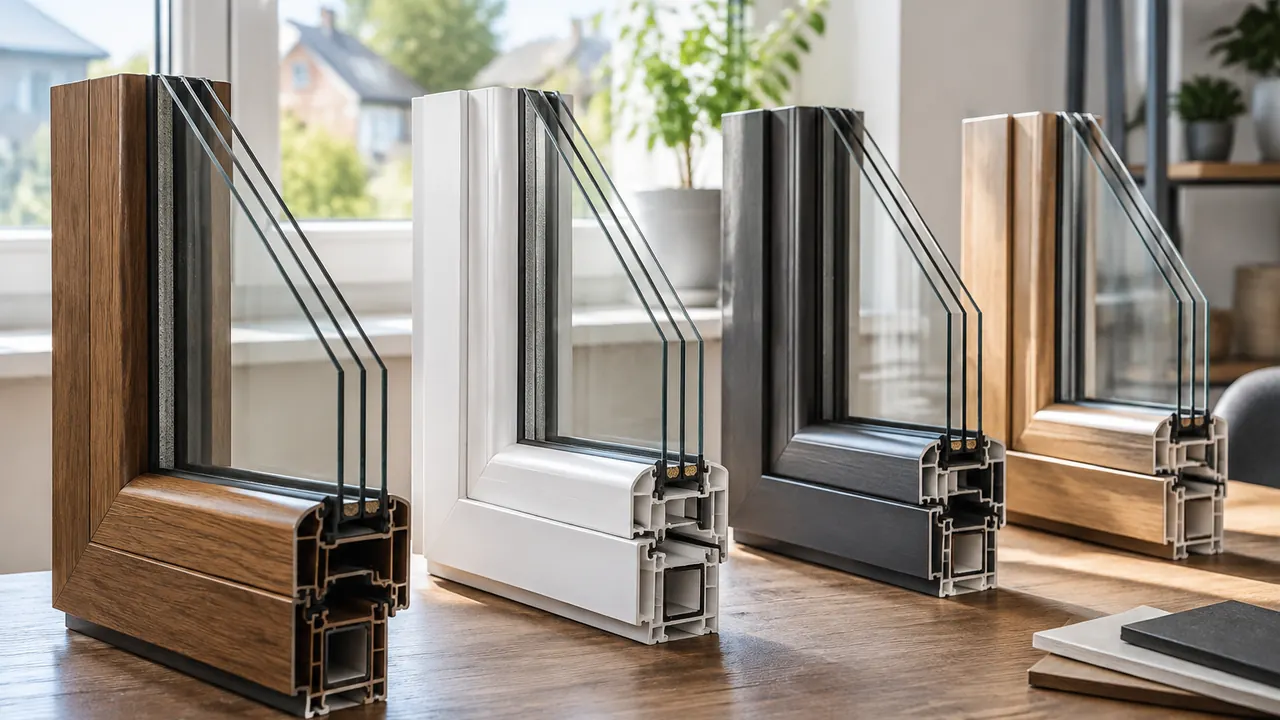
A window that performs well through a Minnesota winter may not be the right choice for a west-facing room in Arizona. Even within one house, the best glass for a shaded bedroom can differ from the best glass for a sunny living room. Shopping by pane count, a “low-E” description or a single efficiency badge misses those differences. The useful question is what the complete window will do in your climate, in that opening.
For a 2026 purchase, start with four measurements: U-factor, solar heat gain coefficient, visible transmittance and air leakage. Together, they describe insulation, incoming solar heat, daylight and air movement through the window assembly. They do not replace good installation or sensible shading. But they give you a practical way to compare bids and avoid paying for a glass package that solves the wrong problem.
1. Read the whole-window label, not just the glass pitch
Look for National Fenestration Rating Council, or NFRC, ratings for the exact product being quoted. NFRC provides standardized performance ratings; ENERGY STAR identifies products meeting efficiency criteria for designated climate zones. Those are different jobs. A product can have an NFRC label without qualifying for ENERGY STAR in your location. Use the current ENERGY STAR climate-zone lookup and product information rather than relying on a showroom sticker that might apply somewhere else.
The important numbers are whole-product ratings, not center-of-glass measurements. Whole-window performance accounts for the frame and other components, which can materially change the result. A salesperson’s excellent glass-only U-factor is not interchangeable with the U-factor on the window’s NFRC label. Different operating styles, frame materials and glass options can also produce different ratings within a product family.
Ask the dealer to put the exact model, operating style, glass package and certified ratings on the proposal. When several windows have different specifications, request an opening-by-opening schedule. That document makes it easier to catch substitutions before ordering and confirm that delivered labels match the agreed package. Save photographs of those labels before the installer removes them.
| Rating | What it measures | How to read it |
|---|---|---|
| U-factor | Nonsolar heat transfer through the window | Lower means better insulation |
| SHGC | Fraction of incident solar energy admitted as heat | Lower means less solar heat gain |
| VT | Fraction of visible light transmitted | Higher generally means more daylight |
| Air leakage | Air passing through the assembly under test conditions | Lower means less tested leakage |
2. Use U-factor to set your insulation baseline
U-factor measures how readily heat moves through a window, excluding solar heat gain. Lower is better for insulation. For illustration, a whole-window U-factor of 0.20 insulates better than 0.30 under the rating method; that does not mean your heating bill will fall by one-third. Actual savings depend on window area, the old windows, weather, indoor temperatures and the rest of the building. Make sure comparisons use the same units.
In heating-dominated climates, a low U-factor deserves substantial weight because windows lose heat during long nights as well as cloudy days. Better insulation can also make the interior glass surface warmer in winter, reducing the chilly feeling near large windows. It may reduce condensation risk, but cannot eliminate moisture problems caused by excessive indoor humidity, poorly insulated edges or installation defects.
Double-pane and triple-pane labels are only starting points. Triple-pane products often offer lower U-factors, but compare certified results instead of assuming every triple-pane window beats every double-pane alternative. In a mild climate, the extra cost may be harder to justify on energy savings alone. In a cold climate or beside a favorite chair, improved comfort may still matter. Ask for the upgrade price separately so you can judge that trade-off.
3. Match solar heat gain to climate before fine-tuning by room
Solar heat gain coefficient, or SHGC, expresses how much incident solar energy enters as heat, including energy absorbed by the window and released inward. It runs from zero to one. Lower values reject more solar heat; higher values admit more. Neither direction is universally best. Start with your climate’s heating and cooling needs, then adjust for exposure, shade and how the room actually feels.
In hot, cooling-dominated areas, lower SHGC usually deserves priority, especially for large unshaded windows. In cold climates, some well-oriented windows can benefit from winter solar gain, but higher SHGC is not an automatic recommendation. The house must be able to use that heat without overheating. Mixed climates demand particular care: summer cooling, winter heating and shoulder-season comfort can pull the decision in different directions.
The examples below are screening priorities, not code limits or purchasing specifications. Confirm local energy-code requirements and current ENERGY STAR eligibility for your location. Where several compliant packages are available, ask an energy professional to compare them using your actual window areas and shading. That is especially worthwhile for a major renovation with extensive glass.
| Situation | Starting priority | What could change it |
|---|---|---|
| Cold, heating-dominated climate | Low U-factor; evaluate useful solar gain | Summer overheating, shade and window orientation |
| Hot, cooling-dominated climate | Low SHGC with suitable insulation | Permanent shading and daylight needs |
| Mixed heating and cooling climate | Balance U-factor and SHGC | Room use, seasonal sun and HVAC loads |
| Mild climate with intense afternoon sun | Control solar gain in exposed rooms | Exterior shade, window area and glare |
4. Treat each side of the house as a different exposure
Orientation matters because sunlight strikes windows at different angles throughout the day and year. Across most of the continental United States, south-facing windows can receive useful winter sun, while well-designed overhangs can block much of the higher summer sun. East and west windows receive lower-angle sunlight that is harder to stop with a simple horizontal overhang. West exposure often coincides with already warm afternoon conditions.
Do not assign glass from a compass reading alone. A neighboring building, deep porch or evergreen tree can dominate the exposure. Deciduous trees provide seasonal shade, but branches still block some winter light. Walk around the house at different times and note which rooms overheat, which stay dim and where people sit. Photographs and a simple sketch can help a dealer understand conditions that a street address cannot.
- For large west-facing windows, investigate lower-SHGC glass and exterior shading together rather than expecting indoor blinds to stop all incoming heat.
- For sunny south-facing windows in cold climates, evaluate winter gain alongside summer shading; avoid choosing higher SHGC without checking overheating risk.
- For shaded or north-facing openings, emphasize insulation and useful daylight while keeping the package compliant with applicable local requirements.
- If you mix glass packages, ask about differences in tint and exterior reflectance, especially where adjacent windows should look consistent.
5. Preserve daylight without confusing brightness with heat
Visible transmittance, usually abbreviated VT, describes the fraction of visible light passing through the window. Higher values generally provide more daylight for a comparable opening. VT is not a solar-heat rating, although coatings affect both measurements. Modern spectrally selective low-E coatings can limit solar heat while admitting substantial visible light. That means you should not assume a low-SHGC window must make a room gloomy.
Compare VT alongside SHGC instead of treating either number as the whole story. If two otherwise suitable windows have similar SHGC but different VT, the higher-VT option may suit a deep room that needs daylight. A lower-VT option may help with brightness, but VT alone cannot predict glare at a desk or television. Sun angle, room surfaces, window size and adjustable shades all influence visual comfort.
Ask to view full-size samples in daylight, preferably side by side. Small glass chips under showroom lighting can hide color differences. Also compare frame sightlines: a replacement insert may reduce the actual glass opening, leaving less daylight even when the new glass has an appealing VT. For a room already short on light, preserving visible glass area can be as important as a modest difference in the rating.
6. Separate tested air leakage from installation quality
Air-leakage ratings describe air passing through a window assembly under specified laboratory pressure conditions, commonly reported in cubic feet per minute per square foot. Lower numbers mean less tested leakage. Compare products tested under the same standard and pressure; do not compare unrelated marketing claims. Air leakage is not always displayed on the NFRC label, so ask for supporting product documentation when it is missing.
Operating style matters. Casement and awning windows often seal tightly when their sashes compress against weatherstripping, while sliding and hung windows use different sealing arrangements. But design, manufacturing and adjustment matter too, so request model-specific results. A fixed window eliminates operable sash joints, although it cannot provide ventilation and may not suit an opening with emergency escape requirements.
A good laboratory result cannot guarantee a draft-free installation. Air can move around the frame if the rough-opening connection is not sealed correctly. Your contract should address perimeter air sealing, flashing and water management, with materials and methods appropriate to the manufacturer’s instructions and wall assembly. For full-frame replacement, ask who repairs hidden deterioration. For insert replacement, ask how the retained frame’s condition and leakage paths will be assessed before work begins.
7. Turn the ratings into a clear buying specification
The best bid is not necessarily the one with the lowest number in every column. Low U-factor and low air leakage are desirable, but SHGC and VT require trade-offs. First establish compliant options for your climate, then identify openings needing extra solar control or daylight. Keep the final selection manageable: a few carefully chosen packages are easier to verify than a different specification for every room.
Before signing, ask the dealer to explain each proposed upgrade in terms of your house, not a generic percentage-savings promise. A useful answer identifies the comfort problem, the rating change and its added cost. If claims depend on energy savings, request the assumptions behind the estimate.
- List each opening’s orientation, size, operating style and permanent shade, plus any recurring overheating, glare or draft complaint.
- Record the whole-window U-factor, SHGC and VT, and obtain comparable air-leakage documentation when available.
- Compare base and upgraded packages using identical installation scopes, warranties and finishing work so the price difference is meaningful.
- Verify local permit, safety-glazing and emergency escape requirements, then check the delivered product labels against your signed window schedule.
Before ordering, verify current product ratings, certification criteria, local requirements and installed prices, and consult a qualified professional for climate-specific design or installation questions.
AI Assistance Used — AI assistance was used in researching and drafting this article. It was reviewed, edited, and fact-checked by Lisa Barber before publication.