Used-Car Odometer Fraud: How to Check Whether the Mileage Adds Up
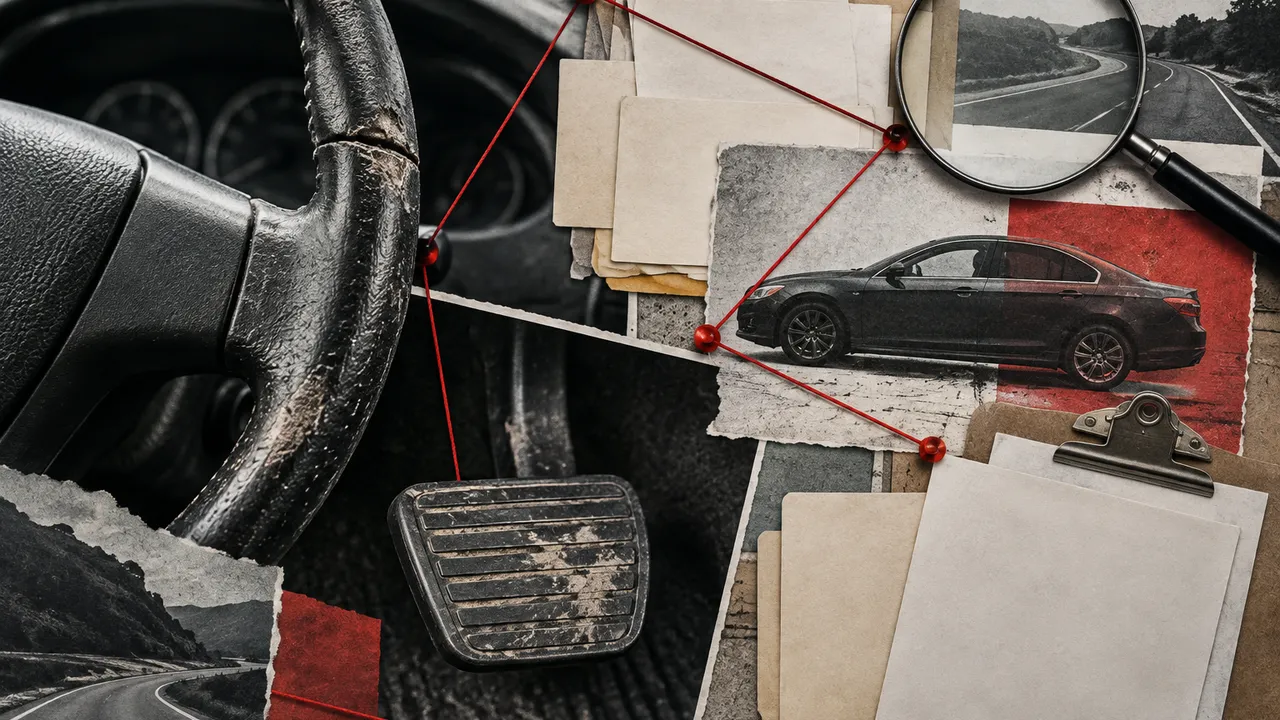
A used car’s dashboard shows a number, not a verified life story. Odometer fraud can make a heavily driven vehicle appear younger, raising its price while hiding maintenance needs. Digital displays are not immune. The strongest check is a dated mileage timeline assembled from records created independently of the current seller. Begin before paying a deposit, while you still have time to request documents and arrange an inspection.
Look for readings that generally move forward and explanations supported by paperwork when they do not. A worn steering wheel, missing service entry or conflicting electronic reading can justify more investigation, but none proves fraud alone. An unresolved contradiction is reason to pause a purchase.
1. Collect records tied to the correct vehicle
Start with the vehicle identification number, or VIN. Match it on the dashboard, door label, title and every report. Request the current title, available earlier disclosures, inspection records and service invoices. As of October 2026, federal rules generally require odometer disclosure on transfers of model-year 2011 and newer vehicles for their first 20 years.
Model-year 2010 and older vehicles are generally exempt under the older federal age rule; other exemptions and state requirements apply. Confirm details with NHTSA and the relevant state motor vehicle agency. An exempt title is not evidence of fraud, but its mileage is not an assurance either.
With the seller’s permission, contact shops named on invoices using independently located phone numbers. Ask whether they can confirm the VIN, service date and recorded mileage; privacy policies may limit what they release.
- Read mileage-status wording, including “not actual mileage” or “exceeds mechanical limits.”
- Use a DOJ-listed NMVTIS provider for title-history information.
- Request available state inspection or emissions mileage records.
- Ask for dated invoices, not just maintenance claims.
2. Build a timeline before interpreting the gaps
Create a spreadsheet with the event date, mileage, source and any qualification. Use the date the reading was taken, not merely the report’s publication date. Separate miles from kilometers, especially on imports. NMVTIS can reveal title and odometer information, but it is not a complete maintenance database; commercial reports also have coverage gaps.
The fictional example below shows a reversal worth investigating. Obtain the underlying inspection record or invoice and confirm its VIN. A transcription error, incorrect vehicle match or documented instrument-cluster replacement could explain it. Missing years alone establish nothing, and unusually low annual mileage is possible; the question is whether available evidence supports the seller’s account.
Do not count identical entries in multiple reports as independent corroboration: providers may share an underlying source. Preserve the original figures beside any unit conversions so another reader can reproduce your comparison.
| Event date | Source | Recorded miles | Timeline check |
|---|---|---|---|
| 2022 | Title disclosure | 32,410 | Starting point |
| 2023 | Inspection record | 58,160 | Increase |
| 2025 | Service invoice | 87,330 | Increase |
| 2026 | Sale listing | 64,200 | Unexplained decrease |
3. Use wear to test the story, not prove it
Inspect the steering wheel, pedals, driver’s seat bolster, switches and cargo area together. Heavy wear across several surfaces may conflict with a low-mileage claim. But city driving, frequent entry and exit, harsh cleaning products and an owner’s habits can age a cabin faster than long highway trips.
The reverse matters too: a freshly detailed interior or replacement pedal covers can hide wear without necessarily signaling deception. Tires and brakes are replaceable, so their condition cannot establish total mileage. Ask an independent mechanic to assess whether the overall condition fits the documented history.
Ask about delivery, taxi or other frequent-stop use, which can produce substantial seat and pedal wear over relatively short distances. Maintenance records describing fleet service can help explain that pattern without establishing fraud.
- Compare wear across multiple surfaces rather than one shiny spot.
- Check maintenance stickers against dated invoices.
- Ask why apparently newer cabin components were replaced.
- Treat condition mismatches as questions requiring records.
4. Have electronic discrepancies checked by a specialist
Book a pre-purchase inspection with a shop familiar with the make, and specifically request mileage-consistency checks. On some vehicles, modules outside the instrument cluster retain distance-related information. Access and interpretation vary by model; a basic consumer scanner may not retrieve useful readings. There is no universal scan that certifies a car’s true mileage.
Ask the technician to identify each reading’s source, units and limitations. Modules can be replaced or reprogrammed, and counters may describe something other than lifetime distance. If a cluster was replaced, request the repair order showing readings before and after, plus any required notice. Electronic disagreements should be reconciled with documents, not presented as automatic proof of tampering.
Request a written scan report identifying the VIN and inspection date before any codes are cleared. If engine hours are available, ask whether they represent lifetime operation; extensive idling can complicate mileage comparisons.
5. Resolve contradictions before money or signatures change hands
Give the seller specific discrepancies and request supporting documents in writing. A corrected database entry should be backed by its source, not just a fresh report with the troubling line removed. Do not sign a disclosure stating mileage is actual if you know it is uncertain. A discount does not resolve an unknown maintenance history.
If the explanation remains unsupported, walk away. If you already bought the vehicle, preserve evidence before seeking corrections or repairs. Report suspected fraud to the state motor vehicle agency’s investigative unit and state attorney general or consumer protection office; NHTSA also provides odometer-fraud reporting guidance. Remedies and deadlines vary, so consider legal advice promptly.
If a deposit is unavoidable, obtain written terms specifying whether it is refundable when mileage discrepancies remain unresolved or an inspection is unsatisfactory. Do not rely on a verbal promise to return it.
- Save the listing, messages, contract and odometer disclosure.
- Photograph the VIN and dashboard reading.
- Keep original reports, invoices and inspection findings.
- Avoid publicly accusing someone before facts are established.
Verify disclosure requirements and reporting procedures with official federal and state sources; this article is not personalized legal advice.
AI Assistance Used — AI assistance was used in researching and drafting this article. It was reviewed, edited, and fact-checked by Leah Fornier before publication.