Is It a UTI? Why Burning and Urgency Can Have Other Causes
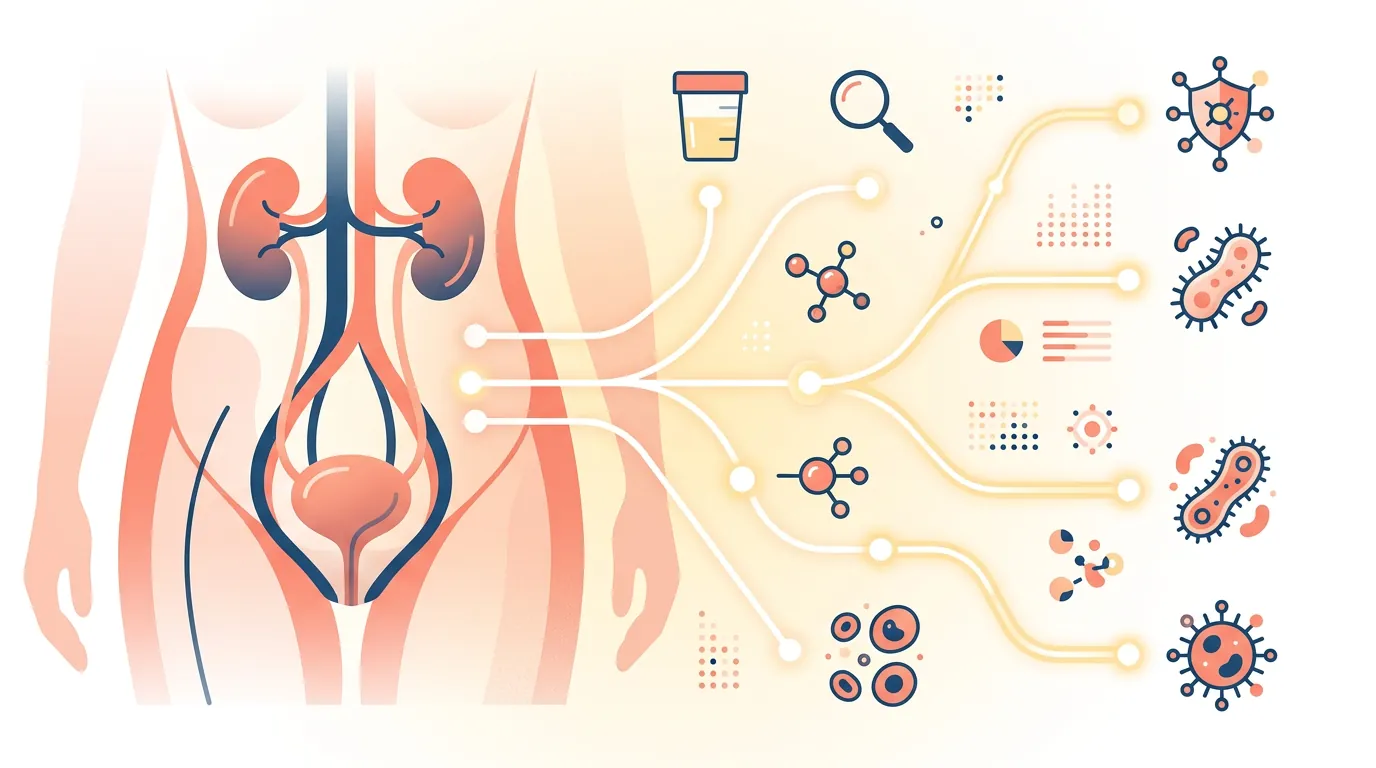
Burning when you pee, a sudden need to go and repeated bathroom trips can make a urinary tract infection seem obvious. A bladder infection is a common explanation, but those symptoms are not a diagnosis. Irritated skin, a sexually transmitted infection, vaginal inflammation and menopause-related tissue changes can produce similar discomfort. Sometimes more than one problem is present, making a familiar symptom pattern misleading.
The practical question is not simply whether you need an antibiotic. It is whether bacteria are causing an infection, where the symptoms are coming from and whether anything makes waiting unsafe. In 2026, home urine strips, telehealth visits and quick prescriptions may make care more convenient, but none replaces a careful symptom history. Knowing what to report and when testing adds value can help you get treatment that fits the actual cause.
1. Similar symptoms can start in different places
A bladder infection, also called cystitis, usually develops when bacteria enter the urinary tract and multiply in the bladder. Common clues include burning during urination, urgency, frequent small amounts of urine and lower abdominal pressure. Cloudy urine or blood can occur, but smell or color alone cannot establish an infection. Dehydration, foods and medicines can change urine without causing a UTI.
Discomfort can also start outside the bladder. Urine passing over irritated vulvar skin may sting, while inflammation in the urethra, the tube carrying urine out, can cause burning that feels internal. Vaginal itching, unusual discharge, sores or pain with sex deserve attention rather than being folded into a presumed UTI. The distinctions below offer clues, not a way to diagnose yourself.
Tell the clinician where the pain seems to be, whether it happens only while urinating and whether symptoms began after sex, a new product or a medication change. Mention previous urine cultures and treatments, including whether an antibiotic actually helped. Repeated episodes labeled as UTIs without testing may warrant a closer look rather than another automatic prescription. Symptoms that clear and quickly return also deserve reassessment.
| Possible cause | Clues that may accompany burning or urgency | What may help distinguish it |
|---|---|---|
| Bladder infection | Frequent small voids, lower abdominal pressure | Symptom history, urinalysis and sometimes culture |
| External irritation or vaginitis | Itching, skin tenderness, discharge or product exposure | Examination and appropriate vaginal testing |
| Sexually transmitted infection | New exposure, discharge, sores or pelvic pain; sometimes few symptoms | STI-specific urine or swab testing |
| Menopause-related changes | Dryness, painful sex, recurring urinary discomfort | History, examination and testing for other causes as needed |
2. Irritation can imitate an infection
Scented washes, bubble baths, douches, deodorizing products and some lubricants or spermicides can irritate sensitive genital tissue. Friction from sex or tight, damp clothing can contribute. Yeast infections and other vaginal conditions may cause external burning, often alongside itching or discharge. Antibiotics do not treat simple irritation or yeast, and unnecessary antibiotics can encourage yeast overgrowth.
Bladder symptoms can also flare with caffeine or alcohol in some people, although triggers vary and dietary changes do not cure a bacterial infection. Overactive bladder can cause urgency without infection. Bladder pain syndrome is another possibility when pain, pressure and urinary frequency persist after other causes have been assessed. Stones, pelvic floor problems and other conditions may need consideration, especially when symptoms recur or testing does not support infection.
- Stop a newly introduced scented product and avoid douching; wash external skin gently rather than scrubbing.
- Drink normally to avoid dehydration, but do not force large amounts of water to try to flush away symptoms.
- Note possible triggers and symptom timing, without assuming that a trigger rules out an infection.
- Seek assessment if discomfort persists, worsens or includes discharge, sores or visible blood instead of cycling through home treatments.
3. An STI needs the right test, not assumptions
Chlamydia and gonorrhea can inflame the urethra and cause burning with urination. Trichomoniasis can cause genital irritation, and herpes sores may sting when urine touches them. Discharge may be present, but its absence does not exclude an STI. Testing should reflect sexual exposure and the body sites involved, not assumptions about someone's age, relationship status or appearance.
A routine urine culture for bladder bacteria does not rule out these infections. Clinicians generally use specific molecular tests for chlamydia and gonorrhea, using urine or swabs depending on the situation. Vaginal swabs may be preferred for some tests; throat or rectal testing may be needed after relevant exposure. A urine sample collected for STI testing can require different instructions from a clean-catch UTI sample, so ask before collecting it.
Mention a new partner, a partner's diagnosis, condomless sex or genital sores privately and directly. If an STI is suspected, ask whether to avoid sex while awaiting results. A confirmed infection may require partner treatment and a defined period without sexual contact to prevent reinfection. Pelvic pain, fever or testicular pain needs prompt evaluation because infection may involve more than the urethra.
4. Menopause can change urinary and vaginal tissue
As estrogen levels fall during the menopause transition and afterward, vaginal and urinary tissues can become thinner, drier and more sensitive. These changes are part of genitourinary syndrome of menopause, often shortened to GSM. Symptoms can include burning, urgency, vaginal dryness and painful sex. Menopause-related changes can also increase susceptibility to actual UTIs, so these are overlapping possibilities, not competing diagnoses.
An examination and symptom history can help identify GSM, while urine testing may be appropriate when infection is suspected. Do not assume new burning is simply aging, particularly if there is blood, fever or a sudden change. Likewise, repeated negative cultures should prompt a discussion of other causes rather than repeated antibiotics. Bleeding after menopause needs evaluation even if the amount is small or the source seems uncertain.
Treatment may include vaginal moisturizers, lubricants for sexual activity and prescription options. Low-dose vaginal estrogen can help appropriate patients with GSM and may reduce recurrent UTIs after menopause. It is different from systemic hormone therapy, but still requires an individualized discussion. People with a history of hormone-sensitive cancer should involve their treating clinicians when considering it.
5. When urine testing helps—and what it cannot prove
A clinician may treat a straightforward bladder infection based on classic symptoms in an otherwise healthy, nonpregnant adult woman, particularly without vaginal symptoms. Testing becomes more important when the picture is unclear, infections recur, treatment fails or there are factors such as pregnancy, urinary tract abnormalities or concern for kidney infection. Urinary symptoms in men generally warrant clinical assessment, often including a urine culture.
Urinalysis looks for clues such as white blood cells, nitrites and blood. A culture identifies bacteria and can help determine which antibiotics are likely to work. Neither result stands alone: inflammation can have other causes, samples can be contaminated, and a negative dipstick does not reliably exclude every UTI. Home strips cannot identify the organism or select an antibiotic.
- If a culture is ordered, provide the sample before starting antibiotics when feasible, but do not delay urgent care.
- Follow collection instructions carefully; skin or vaginal bacteria can contaminate a sample and complicate interpretation.
- Ask how and when results will arrive, and who will contact you if the treatment needs changing.
- Bacteria in urine without urinary symptoms usually should not be treated, with important exceptions including pregnancy and certain invasive urologic procedures.
6. Know when waiting becomes unsafe
A bladder infection can spread to the kidneys, and some urinary complaints signal a blockage or another urgent problem. Fever, shaking chills, pain in the side or back beneath the ribs, or vomiting with urinary symptoms call for urgent evaluation. You do not need to have every sign. Older adults and people with weakened immune systems may not develop a typical fever.
Pregnancy changes the threshold for action: contact your maternity clinician promptly for urinary symptoms, even if they seem mild. People with kidney disease, a single kidney, immune suppression, a catheter or recent urinary procedures should also seek prompt individualized guidance. New confusion alone does not prove a UTI in an older adult; it requires assessment for multiple possible causes.
- Seek emergency care for severe illness, fainting, new confusion with signs of infection, trouble breathing or rapidly worsening symptoms.
- Get urgent help if you cannot pass urine, have severe pain, or see heavy bleeding or clots.
- Sudden severe testicular pain is an emergency; do not assume it is a UTI or wait for urine results.
- Contact the prescriber if symptoms worsen anytime or are not clearly improving within about 48 hours of starting treatment.
7. Leftover antibiotics are not a safe shortcut
An antibiotic that helped last time may be wrong this time. The symptoms could have a nonbacterial cause, the bacteria could be resistant, or an infection could involve the kidneys or prostate and require different treatment. Leftovers may provide the wrong dose or too few days of therapy. Taking them before testing can also suppress bacterial growth and make culture results harder to interpret.
Unnecessary antibiotics can cause diarrhea, allergic reactions, drug interactions and sometimes serious complications such as C. difficile infection. They also contribute to antibiotic resistance. Do not share antibiotics, save doses for future episodes or take someone else's prescription. Take a newly prescribed course exactly as directed, and contact the prescriber before changing it; culture results may justify switching or stopping treatment.
While arranging care, ask about appropriate pain relief. Urinary pain relievers such as phenazopyridine can temporarily reduce burning but do not treat infection and are generally used only briefly. They can turn urine orange and affect some urine tests, so report their use. A clear diagnosis and follow-up plan are safer than temporarily hiding the symptoms.
This article provides general information, not a diagnosis; consult a qualified health professional about your symptoms, testing and treatment.
AI Assistance Used — AI assistance was used in researching and drafting this article. It was reviewed, edited, and fact-checked by Lisa Barber before publication.