Swollen Ankles: Common Causes and Signs That Need Urgent Care
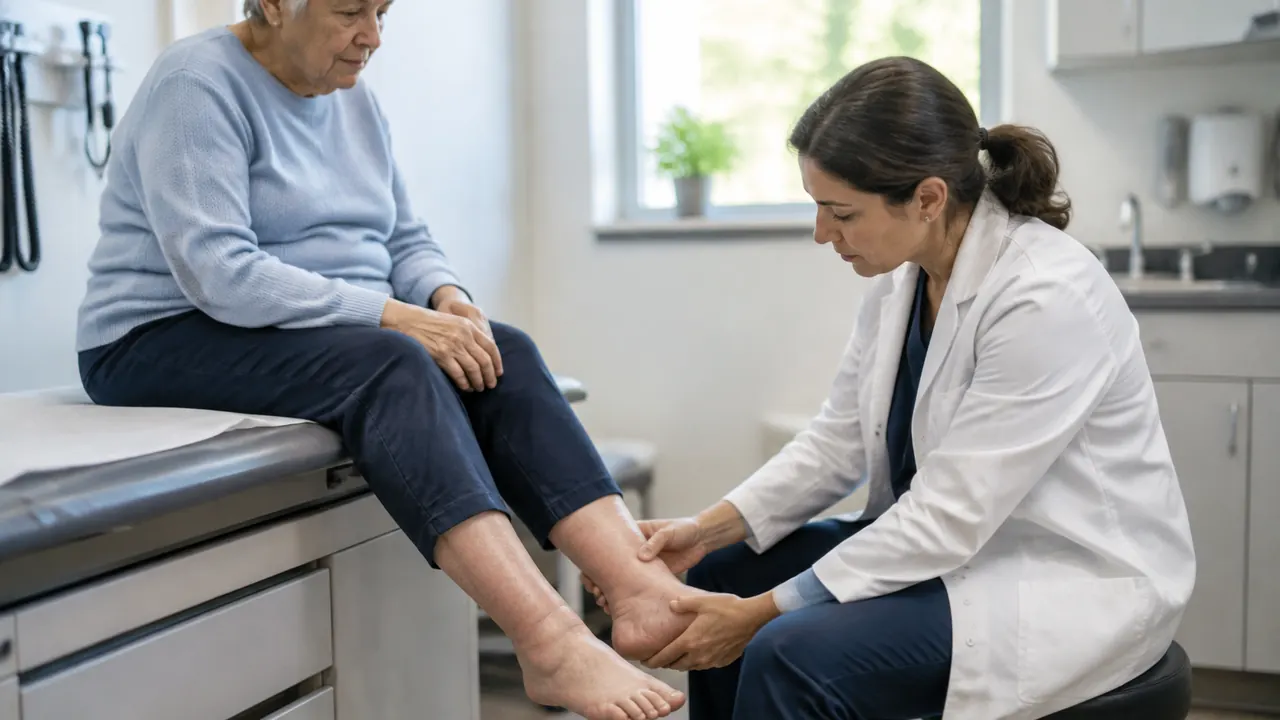
Ankles that look puffy after a long day can be uncomfortable, but swelling is a symptom, not a diagnosis. Fluid can collect when you sit or stand for hours, when leg veins struggle to move blood upward, or when a medicine affects fluid balance. Heart, kidney and liver conditions can also contribute. The most useful first questions are whether one or both legs are affected, how quickly the swelling appeared, and what other symptoms came with it.
Gradual swelling in both ankles often allows time for a medical appointment, especially if it eases overnight. Sudden swelling in one leg, particularly with pain, warmth or redness, needs prompt evaluation for a possible blood clot or another acute problem. Neither pattern proves a cause. This guide explains what to watch for and what to discuss with a clinician, without trying to diagnose the swelling yourself or changing prescribed treatment.
1. Start with the pattern, not a home diagnosis
Ankle swelling, also called edema, happens when fluid builds up in tissues. Shoes may feel tighter, socks may leave deeper marks, or the skin may look stretched. Sometimes gentle pressure leaves a temporary dent, called pitting. That finding can help a clinician describe the swelling, but it cannot establish whether the cause is harmless or serious.
Swelling that develops slowly in both ankles often relates to gravity, vein problems or medication effects. It may become more noticeable in warm weather, after prolonged standing or during travel. Swelling that appears suddenly on one side raises different concerns, including injury, infection or deep vein thrombosis, a clot in a deep vein. A clot can occur without obvious redness or severe pain.
These distinctions guide urgency rather than settle the diagnosis. A systemic condition can affect the legs unevenly, and a clot can occasionally involve both legs. New swelling deserves medical advice if it persists, recurs or has no clear explanation. Seek earlier assessment if it is worsening, interfering with walking or accompanied by other symptoms.
| Pattern | Possible explanations | Usual next step |
|---|---|---|
| Gradual swelling in both ankles | Dependent fluid buildup, vein problems, medicines or systemic illness | Arrange assessment if new, persistent or recurring |
| New swelling in one leg | Clot, injury, infection or a local circulation problem | Seek prompt medical advice; sudden or painful swelling needs same-day evaluation |
| Swelling with sudden breathing trouble or chest pain | Possible lung clot or another cardiopulmonary emergency | Call 911 |
| Swelling with spreading redness and fever | Possible skin or soft-tissue infection | Seek urgent same-day care |
2. Know when to call 911 or seek same-day care
The emergency is sometimes the symptom accompanying the swelling, not the ankle itself. A clot in a leg can travel to the lungs and cause a pulmonary embolism. Serious heart or lung problems can also produce breathlessness and swelling. Do not wait to see whether elevating your feet helps if emergency symptoms are present.
Use the warning signs below to choose a level of care. For emergency symptoms, call 911 rather than driving yourself. For possible leg clots or infection without emergency symptoms, arrange same-day evaluation; an emergency department may be necessary if timely assessment and testing are not available elsewhere. Do not massage a newly swollen, painful leg or rely on a home test to rule out a clot.
- Call 911 for sudden or severe shortness of breath, chest pain, coughing up blood, fainting or new confusion, whether one or both ankles are swollen.
- Seek emergency care for a suddenly cold, pale or blue foot, especially with severe pain, numbness or weakness; these can signal compromised blood flow.
- Get same-day assessment for sudden, unexplained swelling in one leg, particularly with calf or thigh pain, warmth or redness.
- Get urgent same-day care for a swollen area that is hot, increasingly painful or spreading in redness, especially with fever. Rapid progression or feeling severely ill warrants emergency care.
3. Why both ankles may swell gradually
Gravity makes the ankles a common place for fluid to collect. When you sit still or stand for a long time, the calf muscles provide less help moving blood back toward the heart. Mild swelling may build through the day and improve with walking, elevation or sleep. Heat can make it more noticeable, but improvement overnight does not by itself rule out disease.
Chronic venous insufficiency is another common explanation. Valves in leg veins do not close effectively, allowing blood to pool and pressure to rise. Along with swelling, people may notice aching, heaviness, varicose veins, itchy skin or brownish discoloration near the ankles. Skin breakdown or a wound that does not heal needs medical attention.
Lymphedema results from impaired drainage through the lymphatic system and may affect one or both legs. It can follow lymph-node surgery or radiation, among other causes. The swelling may become persistent and the skin thicker over time. Joint inflammation and prior injuries can also change an ankle's shape or size. A clinician can distinguish tissue swelling from a joint problem and recommend appropriate management rather than assuming every puffy ankle needs the same treatment.
4. Medicines can contribute, even when they are working
Medication-related swelling may start after a new prescription or a dose increase, although the connection is not always immediate. Amlodipine and some other calcium channel blockers can cause ankle edema by changing pressure in small blood vessels. This is not necessarily a sign of overall fluid overload, so adding a water pill is not automatically the right solution.
Other medicines can promote fluid retention or swelling through different mechanisms. Risk depends on the drug, dose, other prescriptions and underlying health conditions. Over-the-counter products count, too. Bring a complete list, including occasional pain medicines, supplements and recently discontinued drugs, to the appointment. A pharmacist can help identify possible contributors and interactions.
Do not stop a prescribed medicine, skip doses or take someone else's diuretic to test whether swelling improves. The prescriber may adjust treatment after reviewing the timing and checking for other causes. New swelling still deserves evaluation even if it appears on a medicine's side-effect list.
- Calcium channel blockers, including amlodipine and nifedipine, are well-known contributors to ankle swelling.
- Nonsteroidal anti-inflammatory drugs, such as ibuprofen and naproxen, can cause salt and water retention and affect kidney function.
- Corticosteroids, some hormone treatments, gabapentin and pregabalin can contribute to swelling.
- Pioglitazone can cause fluid retention and worsen heart failure; report new swelling, breathlessness or rapid weight gain promptly.
5. Underlying conditions change what swelling means
Heart failure can cause fluid to back up into the legs, often alongside reduced exercise tolerance, breathlessness when lying flat or waking at night short of breath. Kidney disease can impair salt and water removal; some kidney disorders also allow protein to leak into urine. Advanced liver disease can contribute through pressure changes and reduced production of albumin, a protein that helps keep fluid within blood vessels.
Ankle swelling alone cannot distinguish among these conditions. Depending on the history and examination, a clinician may order urine testing, blood tests for kidney or liver function, or heart-related testing. If you already have heart failure or kidney disease, follow your personalized plan for reporting weight changes and swelling. Contact your care team promptly when symptoms exceed your usual pattern rather than adjusting diuretics on your own.
Pregnancy commonly causes gradual swelling in both feet and ankles. However, sudden swelling, particularly of the face or hands, with severe headache, vision changes, upper abdominal pain or breathing difficulty requires immediate obstetric assessment for possible preeclampsia. This condition can also develop after delivery. One-sided leg swelling during pregnancy or postpartum needs urgent assessment for a clot.
6. Prepare for a useful medical evaluation
A clinician will usually ask when the swelling began, whether it changes during the day and whether pain, fever or breathlessness is present. The examination may include checking the skin, pulses, heart and lungs. Suspected deep vein thrombosis may require an ultrasound and sometimes blood testing, selected according to clinical risk. A normal-looking leg or an ability to walk does not exclude a clot.
Clot risk rises with factors such as recent surgery, hospitalization, prolonged immobility, prior clots, active cancer, pregnancy and estrogen-containing medicines. Tell the clinician about these exposures even if they seem unrelated to your ankles. You do not need to have a known risk factor to develop a clot. Photos showing changes can be useful, but gathering information should never delay urgent care.
- Record when swelling started, which side is affected and whether it improves overnight.
- Note recent travel, injuries, procedures, infections and changes in activity.
- List all medicines and doses, including recent changes and nonprescription products.
- Report associated symptoms, skin wounds and any meaningful change from your usual weight or urine output.
7. Use comfort measures only when they fit the situation
For mild, gradual swelling without warning signs, gentle walking, ankle movements and breaks from prolonged sitting or standing may help. Resting with the legs elevated can also reduce dependent swelling. Choose comfortable footwear and check the skin for irritation, especially if you have diabetes or reduced sensation. These steps can ease symptoms but do not replace evaluation of new or persistent swelling.
Compression stockings can help certain vein-related problems, but the type and pressure should suit your circulation and diagnosis. Ask a clinician before starting them for unexplained swelling, particularly if you have peripheral artery disease, skin wounds or significant heart problems. Do not use compression as a substitute for assessment of a possible clot.
Avoid dehydration, drastic fluid restriction, over-the-counter water pills or extra prescribed diuretics as do-it-yourself fixes. Follow individualized advice about sodium and fluids. The practical rule is simple: monitor familiar, mild swelling under an established care plan, arrange assessment for unexplained or changing swelling, and act promptly when pain, one-sided onset or systemic symptoms appear.
This article provides general information, not a diagnosis; consult a qualified health professional about new or changing swelling and seek emergency care for the warning signs described.
AI Assistance Used — AI assistance was used in researching and drafting this article. It was reviewed, edited, and fact-checked by Nadia Clarkson before publication.