Starting Family-History Research Without a DNA Test
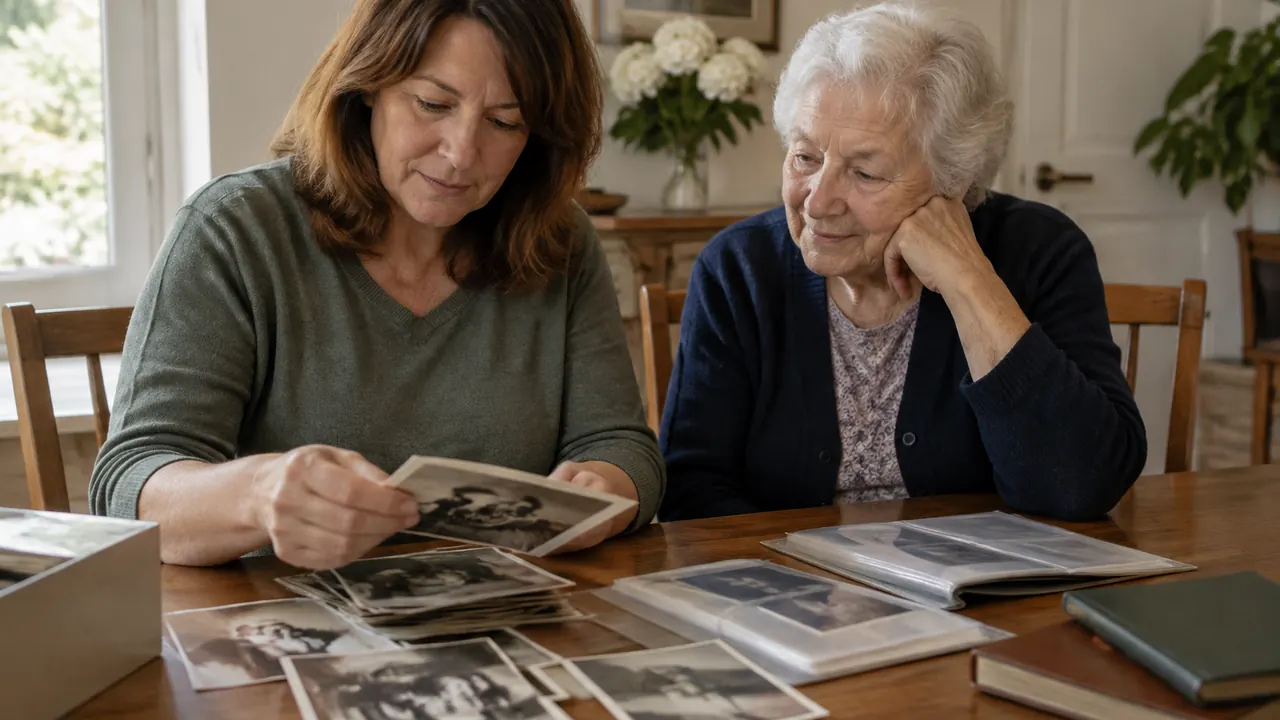
The best first step in family-history research is not buying a DNA kit. It is choosing one question you can reasonably answer: Where did a grandparent grow up? What was a great-grandmother’s birth surname? Who lived in the household before the family moved? A narrow question gives you a route through the photographs, memories and public records that might otherwise become an overwhelming pile.
In 2026, beginners can do substantial work with family interviews, government websites and library resources before paying for a subscription. DNA testing can sometimes help investigate biological relationships, but it is optional, introduces privacy considerations and does not replace documentary research. Start with what your family already has, record where every claim came from and keep living people’s details private. The goal is a history you can explain and revise, not the largest possible online tree.
1. Choose one person and build a simple research system
Begin with yourself or a close relative, then work backward one generation at a time. Write down names, approximate dates, places and known relationships. Label uncertain details as uncertain rather than filling gaps with plausible guesses. A paper chart, spreadsheet or genealogy program can all work; choose something you can maintain and back up without an ongoing subscription.
Make a small research folder for your first question. Keep original scans separate from edited copies, and use filenames that identify the person, document and date. Record a woman’s birth surname separately from later surnames when known, while preserving the names actually used in each record. For unfamiliar places, note both the historical jurisdiction and its present-day location.
Create these basic tools before collecting more material. They prevent duplicate searches and make it easier to pause for a month without losing your place. Keep another copy on a separate device or secure backup service, and check that files open.
- A working tree showing relationships supported by evidence, with tentative links clearly marked.
- A research log listing the date, question, collection searched, search terms and result.
- A source list linking each important fact to a document, interview or other source.
- A questions list for missing evidence, contradictory details and the next useful search.
2. Interview relatives without turning memories into verdicts
Ask permission before interviewing or recording someone, and explain who might receive the material. Offer a conversation without recording if that feels more comfortable. Start with open questions about homes, schools, work, holidays and moves. A photograph or recipe can prompt a better story than a demand for an exact birth date. Ask who identified the people in each picture.
Distinguish firsthand memories from inherited stories. “Were you there?” and “Who told you that?” are useful, gentle follow-ups. Record the interview date and the speaker’s relationship to the people discussed. Preserve the wording of a claim before interpreting it: “came from Poland” may describe nationality, a former border or a family tradition rather than a precise birthplace.
Do not pressure relatives about adoption, estrangement, parentage or other sensitive subjects. Let them decline questions and request limits on sharing. Afterward, summarize the main points and invite corrections. Treat conflicting memories as research leads, not proof that someone was dishonest.
- Ask for full names, nicknames, alternate spellings and the names of siblings.
- Ask where certificates, letters, funeral cards, military papers and photo albums might be stored.
- Scan borrowed items with permission; preserve originals and return them promptly.
- Write down what remains unknown instead of quietly completing someone else’s story.
3. Use public records to build a documented timeline
Move from family information to records created near the events you are investigating. In July 2026, the 1950 census remains the newest publicly released U.S. federal population census; under the 72-year release rule, the 1960 census is scheduled for release in 2032. The National Archives offers free access to 1950 census images. Read the original page when possible, including neighbors and household members, rather than relying only on a search result.
Birth, marriage and death records are generally managed at state or local levels, with access rules, coverage and fees that vary. Recent records may be restricted to eligible applicants. Check the official custodian’s website before ordering, and distinguish an informational copy from a certified copy. A researcher often does not need certification, where a less expensive alternative is available.
Build a timeline of addresses, occupations and relatives to connect records. Court files, deeds, probate records and naturalization papers may identify relationships missing elsewhere. Historical boundaries matter: a record may be held in a neighboring county or predecessor jurisdiction. Missing online results do not establish that a record never existed; ask the custodian about unindexed material.
| Record type | What it may reveal | What to verify |
|---|---|---|
| Federal census | Households, ages, birthplaces and occupations | Enumerator errors, informant knowledge and household relationships |
| Vital records | Births, marriages, deaths and sometimes parents | Coverage dates, eligibility rules and who supplied the details |
| Deeds and probate | Property, heirs and possible family connections | Exact wording; not every named person is a relative |
| Naturalization records | Origins, arrival details and name variants | Record date and court; older files can contain little detail |
4. Let libraries and free collections do the first round
Before subscribing, ask your public library what genealogy resources your card provides. Some databases are available remotely; others require an on-site visit. Library editions may lack features found in personal subscriptions. Ask about digitized newspapers, city directories, local-history collections, microfilm readers and interlibrary loan. A librarian can also help identify which newspaper served a town during a particular decade.
Use free services strategically. FamilySearch offers extensive records and catalog tools, though a free account is commonly needed and some images have location-based access restrictions. The National Archives, Library of Congress, state archives and local repositories offer additional collections. The Library of Congress’s Chronicling America collection is useful for historical newspapers, but no single newspaper database covers every place or year.
Search catalogs as well as names. An unindexed church register or cemetery ledger may be listed by town, congregation or collection title. Try surname variants, initials and nearby communities, then browse likely pages if searching fails. Online family trees can suggest leads, but verify their claims against identifiable evidence. In 2026, search summaries and AI-generated transcriptions still need checking against the underlying page, especially for names, dates and handwritten text.
5. Track sources while each discovery is still fresh
Save enough information to find a source again and explain what it supports. For a census entry, record the census year, place, enumeration district, page or sheet, household details and repository or website. For other documents, capture the collection title, volume, page, certificate or file number, and access date where relevant. Save a stable link when available, but do not rely on a link alone.
Download the document image when permitted, not just the search index. Indexes are finding aids: a typed name or date can be wrong even when the image is clear. Preserve the full page for context and keep any cropped version as a separate file. For family possessions, identify the owner, describe the item and note how and when you obtained the copy.
- Separate the source’s actual words from your transcription, interpretation and conclusion.
- Attach citations to individual facts, especially relationships, rather than only to a person’s profile.
- Log unsuccessful searches with collection dates and filters so you know their limits.
- Keep original spellings in transcriptions; explain standardized names or places in separate notes.
- Check a sample export before committing to software; images, notes and citations may transfer differently.
6. Resolve conflicts by weighing evidence, not counting matches
Conflicting ages, surnames and birthplaces are normal. First confirm that the records concern the same person. Compare spouses, children, addresses, occupations and associates; two people with the same name may have lived nearby. Make a short list of the competing claims, their sources and the dates those sources were created.
Then ask how each source obtained its information. A birth entry created near the event may be stronger evidence of a birth date than an obituary written decades later, but no record type is automatically correct. A death certificate might provide reliable death details while misidentifying parents because the informant did not know them. Several websites repeating one transcription are not independent confirmation.
Look for evidence that could distinguish the possibilities: another census, a marriage application, a church register or a sibling’s record. Explain your reasoning in a note and state what remains unresolved. If two birth years remain plausible, use an estimated range rather than forcing certainty. When evidence changes, revise the conclusion without deleting the earlier reasoning. This makes corrections understandable to relatives and future researchers.
7. Protect living relatives and spend only to answer a question
Keep your working files private by default. Before uploading a tree, inspect how the service handles living people, shared links, collaborators, search visibility and downloads. A “private” setting is not a substitute for reading sharing rules. Ask permission before publishing a living relative’s photograph, story or identifying details, and avoid posting full birth dates, home addresses or documents containing identification numbers.
Redact sensitive information from a separate sharing copy, including details about living people within deceased relatives’ records. Use a method that removes the underlying content, not merely a movable black box. Share only what recipients need, and remember that downloaded copies can be forwarded. Secure research accounts with unique passwords and multifactor authentication where available.
Consider paying only after identifying a specific collection likely to answer your question. Compare its geographic coverage, years and image access with free and library options. Check trial conditions, renewal prices and cancellation deadlines before entering payment details. A targeted record order or short subscription may help more than a broad annual plan. Finish each session with one documented finding and one next step, not a shopping list.
Check current repository access rules, database terms, privacy settings and prices before ordering records or starting a subscription.
AI Assistance Used — AI assistance was used in researching and drafting this article. It was reviewed, edited, and fact-checked by Leah Fornier before publication.