Drafty Windows: When Repairs Make More Sense Than Replacement
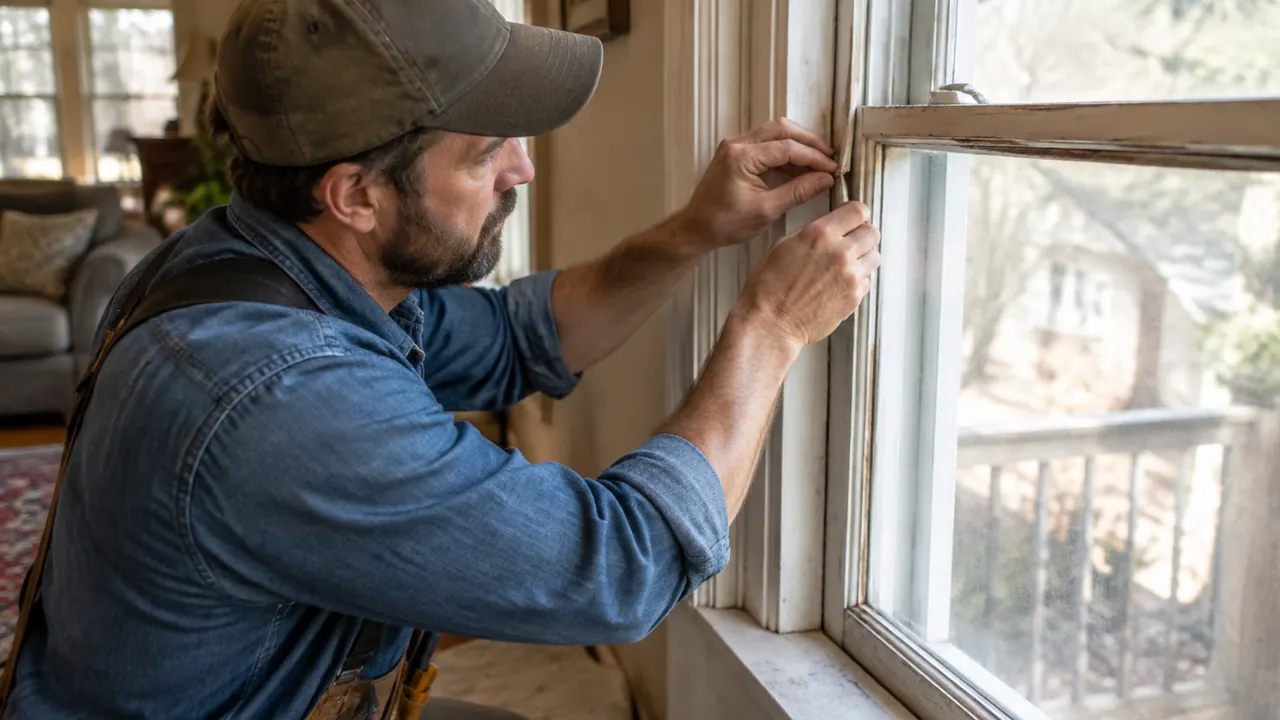
A cold seat beside a window does not automatically mean the window needs replacing. Air may be slipping past worn weatherstripping, a loose sash or a gap around the frame. But a tightly closed window can also feel chilly because its glass is cold. Those problems call for different fixes, and buying new windows before identifying the cause can turn a manageable repair into a major household expense.
For homeowners weighing options in 2026, the best starting point is condition, not age. Sound wood windows may respond well to hardware work and an added storm window. A newer unit may need only a seal or insulated glass replacement. Full replacement becomes more persuasive when damage, persistent operating problems and comfort needs overlap. Energy savings matter, but they rarely tell the whole financial story, especially when the existing windows are reasonably serviceable.
1. Separate an actual draft from cold-glass discomfort
Air leakage is outdoor air moving through an opening. On a windy day, close and lock the window, then move a tissue slowly along the sash edges, meeting rails and interior trim. Movement can help locate a leak, although nearby heating vents can confuse the test. Avoid candles or other flames. Check several windows: a problem confined to one corner suggests a different repair than leakage around every frame.
Cold glass creates discomfort without an opening. Your body loses radiant heat toward the colder surface, and room air cooled by the glass can sink, producing a draftlike sensation. Weatherstripping will not substantially change the glass temperature. A storm window or better insulating glazing may help. An energy assessment with a blower-door test can clarify widespread leakage; infrared images need suitable conditions and careful interpretation rather than a salesperson's quick temperature snapshot.
- Air moving at sash joints: inspect weatherstripping, alignment and whether the lock pulls the sash snugly shut.
- Air moving around interior trim: investigate the frame-to-wall joint, not just the movable parts.
- Chill across the whole pane without obvious leakage: consider glass performance and seating location.
- Water stains or soft wood: trace the moisture source before sealing or covering the area.
2. Use weatherstripping and caulk where each belongs
Weatherstripping seals joints that must move; caulk seals appropriate stationary joints. Replacing a flattened sash seal can be an inexpensive improvement, but the profile and thickness must fit the window. Material that is too thick may prevent locking or strain hardware. Clean the channel, follow the manufacturer's instructions where available, and test operation before completing every opening. Self-adhesive foam is easy to install, but durability varies with exposure and use.
A leak behind interior casing may require careful trim removal and air sealing between the window frame and rough opening. Window-and-door-rated low-expansion foam or another suitable air-sealing system can help; excessive or inappropriate foam can distort frames. Outside, do not caulk drainage openings or indiscriminately seal every bottom edge. Windows need designed paths for water to escape. Seasonal removable sealant or interior shrink film can reduce leakage temporarily, but neither repairs deterioration, and neither should compromise a required emergency escape opening.
- Match the replacement seal to the original channel or obtain a compatible part from a supplier.
- Apply caulk only to clean, dry, suitable surfaces within the product's temperature limits.
- Keep weep holes, drainage paths and required ventilation unobstructed.
- Recheck locks and sash movement after installation; a tighter seal should not make the window unsafe.
3. Repair the parts that keep the sash square and tight
A window that will not close squarely cannot seal reliably. Loose hinges, worn crank operators, damaged balances, broken sash cords and misaligned locks can leave gaps that look like failed weatherstripping. Repairing these parts often restores both operation and contact with the seals. A lock should hold an already aligned sash closed, not force a warped or obstructed one into place. Stop using a sash that drops unexpectedly until it is repaired.
Ask a repair specialist to distinguish replaceable hardware from a distorted frame or deteriorated sash. Parts availability varies by manufacturer and model, and older wood windows may need a carpenter or restoration specialist rather than a replacement-window sales visit. Localized wood damage can sometimes be repaired if the moisture source is corrected; widespread decay changes the calculation. In pre-1978 homes, disturbing painted surfaces can create lead hazards, so ask about lead-safe practices and applicable requirements. Compare a written repair scope with replacement, including preparation, refinishing and any exclusions.
4. Consider storm windows before discarding sound originals
Storm windows add a second layer while leaving the primary window in place. Properly fitted exterior storms can reduce air leakage and heat transfer; low-emissivity glass improves thermal performance further. Interior storm panels can also help and may suit homes where exterior appearance matters. They work best over sound windows, not as camouflage for wet, rotting frames. Fit, attachment, air sealing and moisture management are as important as the advertised glass specification.
Compare how each option affects cleaning, ventilation, screens and emergency escape. Some interior panels are removable rather than operable, making everyday use less convenient. A leaky interior panel can allow warm, moist room air to reach cold outer glass and condense. Exterior systems also need proper drainage. Ask the installer how the assembly manages moisture in your climate and whether historic-district or association approval is needed. If you already have storms, repairing their fit or glazing may be enough.
| Option | Most useful for | Main limitation |
|---|---|---|
| Weatherstripping and air sealing | Leaks at movable joints or around frames | Does little for cold-glass discomfort |
| Hardware repair | Sashes that do not align, latch or stay open | Cannot correct widespread structural deterioration |
| Storm window or interior panel | Sound windows needing better thermal performance | Requires careful fit and moisture management |
| Insulated glass replacement | Failed sealed glass in an otherwise sound unit | Does not fix frame leakage or poor installation |
| Full window replacement | Multiple failures or extensive damage | Highest disruption and usually greatest upfront cost |
5. Let the location of condensation guide the fix
Condensation on the room-facing glass usually means that surface is below the dew point of indoor air. It can happen with intact windows during cold weather, particularly when indoor humidity is high. Use kitchen and bathroom exhaust fans that vent outdoors, check dryer venting, and track humidity with a hygrometer. There is no single winter humidity target that prevents condensation in every home: colder weather and colder glass generally require lower indoor humidity.
Persistent fog or droplets between the panes of a sealed double- or triple-pane unit usually indicate a failed edge seal. If the sash and frame are sound, replacing the insulated glass unit may be an alternative to replacing the whole window; check warranty coverage first. Exterior condensation, meanwhile, can occur on efficient glazing under certain weather conditions and is not automatically a defect. Water appearing after rain may be leakage through flashing, roofing or siding rather than condensation. Repeated wetting, mold or staining warrants investigation, not simply a promise that new glass will solve it.
6. Compare the full cost, not a promised bill reduction
Weatherstripping usually involves modest materials and labor, while custom storms, specialty hardware and restoration require more substantial quotes. Replacement prices vary widely with size, glazing, frame material, access and installation method. Compare installed prices for the same scope, including disposal, trim, painting, permits where required and repairs to concealed damage. An insert installation retains the existing frame; full-frame replacement removes more material and may allow underlying problems to be addressed, but generally adds work.
Energy savings depend on climate, fuel prices, window area, existing performance, air leakage and heating and cooling equipment. Windows are only one part of the building envelope, so a percentage reduction in window heat loss is not the same percentage reduction in your utility bill. Divide the net project cost by a credible estimate of annual savings for a simple payback, recognizing that it ignores financing, maintenance and future prices. For a serviceable window, also compare replacement's extra cost against repair, not against doing nothing. In 2026, verify any incentive's eligibility and dates rather than relying on an older advertisement.
7. Replace when the problems justify the scope
Replacement makes stronger sense when frames are extensively deteriorated, sashes remain unusable after practical repairs, water-management defects require substantial reconstruction, or several components are failing together. Comfort, easier operation, noise control and reduced upkeep can be valid reasons even when energy savings alone do not repay the purchase quickly. Treat those benefits as personal priorities, not guaranteed financial returns.
Request itemized proposals and product-specific National Fenestration Rating Council ratings. Lower U-factor means less heat transfer; the appropriate solar heat gain coefficient depends on climate, orientation and shading. Ask separately about air-leakage performance and installation details, since glass ratings do not guarantee a draft-free installation. Before authorizing whole-house replacement, consider repairing one representative window or adding one storm panel and evaluating the result. A staged approach can reveal whether a smaller intervention delivers the comfort you actually need.
Before hiring, verify current local prices, warranty and incentive terms, and consult a qualified professional about water intrusion, lead paint or unsafe window operation.
AI Assistance Used — AI assistance was used in researching and drafting this article. It was reviewed, edited, and fact-checked by Leah Fornier before publication.