Rent or Buy a Tool? Count the Whole Project Cost
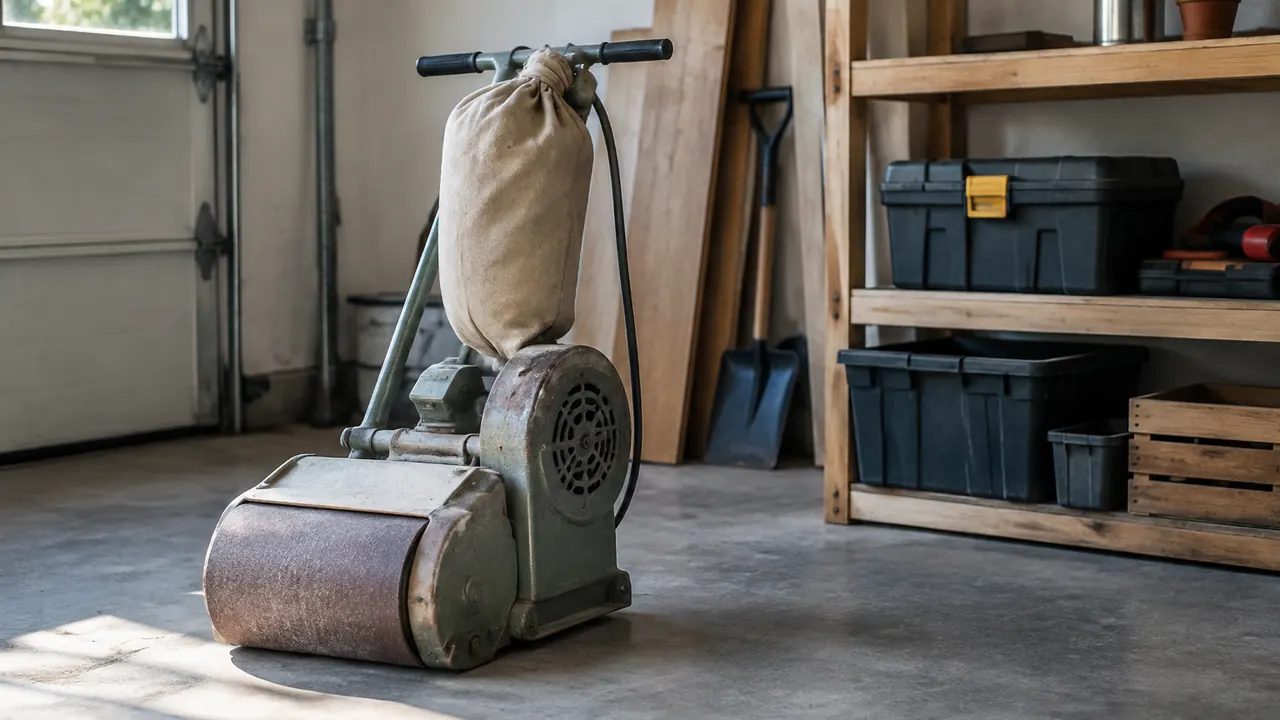
A floor sander advertised at a manageable daily rate can become expensive if your room is not ready, the abrasive bill grows or you miss the return deadline. Buying can be just as misleading: A sale-priced saw may need a better blade, a stand and space you do not have. For occasional home projects, the useful comparison is not rental price versus sticker price. It is the cost of getting the same job finished safely, with the same quality of result.
For a project planned in 2026, start with current local quotes rather than an old receipt or a national price roundup. Rental availability, fees and library rules vary by location. Then compare four routes: rent, buy new, buy used or borrow through a tool-lending library. The right choice depends as much on your schedule and likely repeat use as on the tool itself.
1. Define the job before pricing the tool
Write down the material, area or quantity involved, the finish you need and the limits of your workspace. A drill for hanging shelves and a rotary hammer for masonry are not interchangeable cost comparisons. Neither are a small handheld sander and a floor machine. Ask the rental desk or a knowledgeable supplier which tool class fits the work, which accessories it requires and whether your electrical supply or vehicle creates a limitation.
Next, separate active tool time from project time. Clearing furniture, removing fasteners, masking, practicing and cleaning may take longer than operating the machine. Drying or curing between steps can leave a rental idle while the clock runs. Identify work you can complete before pickup, but do not rush essential preparation just to shorten a rental. If the project involves structural work, suspect lead paint, asbestos-containing materials or unfamiliar electrical hazards, get appropriate professional guidance before choosing equipment.
- Measure the job and confirm that the tool can handle the material and workload.
- List required accessories, dust control, protective equipment and any second tool needed.
- Check access, stairs, power requirements and whether one person can move the equipment safely.
2. Price the rental window, not just the daily rate
Ask for the total charge for your actual pickup and return times. A short rental might suit one uninterrupted task, but it can be poor value if travel consumes much of the window. Confirm whether a day means elapsed hours or a store-defined period, how weekends work and what happens when the branch is closed at your intended return time. A weekly rate can beat several daily charges, but never assume the system automatically applies the cheapest combination.
Read the agreement for late charges, cleaning requirements, cancellation terms and damage responsibility. A damage waiver may be optional, may have exclusions and is not necessarily insurance. Ask what it covers rather than relying on its name. Distinguish a refundable deposit or card authorization from a final expense, while allowing for the temporary hold on your available funds. Reserve the correct model and accessories, and confirm whether an extension depends on the next customer's reservation.
| Rental window | Best fit | What to verify |
|---|---|---|
| Short block | Prepared, tightly bounded task | Exact clock start and overrun charge |
| One day | Single continuous work session | Return deadline and branch hours |
| Weekend | Work spread across two days | Which pickup and return times qualify |
| Week | Multiple stages or uncertain timing | Weekly price and extension terms |
3. Add the costs that follow the tool home
Consumables often belong to the project, not the ownership decision. You may need sanding sheets, cutting discs, drill bits, fasteners, filters or cleaning products whether you rent or buy. Include them in both totals unless one option genuinely includes equivalent supplies. Ask whether opened packs are returnable and whether the rental requires specific accessories. A cheap machine using costly proprietary supplies can be less economical than a pricier alternative with readily available replacements.
Transport is another project expense that can change the winner. Count both pickup and return trips, including fuel, tolls, parking and any delivery or vehicle rental charge. Verify dimensions, weight and loading help before arriving. Do not assume a heavy floor machine fits safely in a sedan or that staff can unload it at your house. Also price dust collection and suitable protective equipment. Treat safe setup as required spending, not an optional upgrade you can omit to make the comparison work.
- Ask what comes in the case: blade, battery, charger, hose, guards and necessary adapters.
- Get consumable prices and estimate quantities with a reasonable allowance for mistakes.
- Check delivery boundaries, pickup charges and whether service includes stairs or only curbside.
- Budget required cleanup supplies and disposal costs, especially for dusty or messy work.
4. Run one complete comparison with honest assumptions
Use a simple worksheet: rental total equals time charges plus mandatory fees, transport, accessories and consumables. Ownership total equals purchase price, those same project extras, expected upkeep and any added storage cost, less a conservative resale amount only if you actually intend to sell. Include applicable taxes in both. The example below uses invented planning figures, not current market quotes, and assumes comparable tools can finish the job to the same standard.
On these assumptions, renting wins for one project, but a second identical rental would bring cumulative spending to $280. Keeping the new tool for two projects would total $275, including another $25 in consumables, before repairs or resale. That narrow difference could disappear with one extra accessory or rental fee. Do not count an entire pack of leftover supplies again if you can reuse them, and do not treat an uncertain future resale price as guaranteed cash.
| Cost for one project | Rent | Buy new | Buy used |
|---|---|---|---|
| Tool charge or price | $80 | $220 | $120 |
| Fees and transport | $35 | $5 | $15 |
| Consumables | $25 | $25 | $25 |
| Initial repair allowance | $0 | $0 | $30 |
| Illustrative total before tax | $140 | $250 | $190 |
5. Buy for likely use, not imagined projects
Ownership becomes more attractive when the tool solves recurring, specific problems. A drill used for repairs throughout the year has a different role from a specialty machine needed for one renovation. List the next few jobs you can reasonably expect, with rough dates. If repeat use depends on someday building a deck, refinishing every room or adopting a new hobby, keep that out of your base calculation. Run it separately as a possibility.
Storage and readiness also matter. A bulky tool can displace garage space, require a cabinet or spend years deteriorating in damp conditions. Cordless tools add battery compatibility and eventual replacement considerations; buying into a battery system only helps if it serves equipment you genuinely need. Ownership does remove reservation and return pressure, which is valuable when work happens in short evening sessions. But that convenience does not make maintenance, sharpening, missing parts or safe storage disappear.
- Count confirmed repeat projects first; treat speculative ones as a separate scenario.
- Check replacement battery, blade and service-part availability before buying.
- Assign storage a real cost if you must buy shelving or rent additional space.
- Estimate your travel time separately, so convenience stays visible without disguising cash spending.
6. Look at used tools and lending libraries
A sound used tool can lower the ownership threshold, particularly for occasional work that does not justify new equipment. Inspect the exact unit rather than trusting a model's reputation. Check guards, cords, switches, adjustment locks and included parts. Ask for a safe demonstration and check the model against federal recall information. For cordless equipment, an aging battery can erase the bargain. Verify any return policy and whether warranty coverage transfers; assume neither unless the terms confirm it.
A tool-lending library can be better still when borrowing is inexpensive and your schedule is flexible. Look through public libraries, municipal programs and community organizations, but verify local availability rather than assuming every library lends equipment. Membership or residency rules, reservations, loan periods and late fees differ. Some collections exclude consumables or restrict higher-risk tools. Compare the full borrowing cost, including travel and membership, with renting, and arrange a backup if a delay would leave a room unusable.
- Favor used purchases you can inspect and test safely before payment.
- Reject missing guards, improvised electrical repairs and unexplained operating problems.
- Ask lending programs about training, maintenance, accessories and return-condition requirements.
- Choose borrowing when availability fits the job, not merely because the listed loan fee is low.
7. Make the decision before the project starts
Choose the least costly option that reliably fits the work, not simply the smallest number on your worksheet. Rent for a concentrated, occasional job when you can prepare first and return on time. Buy when repeat use is credible and storage is manageable. Consider used equipment when condition is verifiable, and a lending library when its rules and availability suit your schedule.
Before committing, confirm the complete price, the included accessories and your contingency plan. What happens if weather changes, a part fails or the job takes another day? Photograph rental condition at pickup, follow operating instructions and keep receipts. If training, safe handling or the likely cost of correcting mistakes makes the project a poor DIY candidate, compare a qualified professional's quote. Sometimes the best tool decision is not acquiring one at all.
Check current local prices, availability, taxes and contract terms before committing, and consult a qualified professional when the work exceeds your skills or involves hazardous materials.
AI Assistance Used — AI assistance was used in researching and drafting this article. It was reviewed, edited, and fact-checked by Lisa Barber before publication.