Rent or Buy Your First Instrument? How to Compare the Real Cost
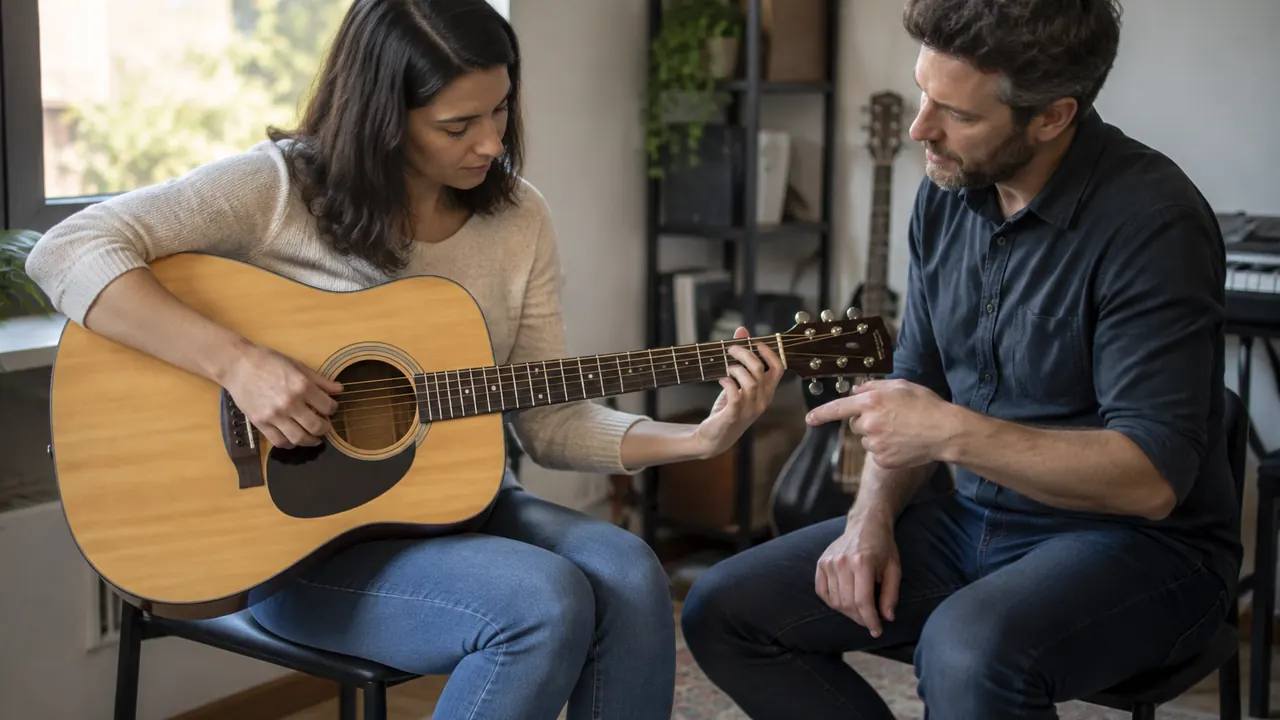
Your first instrument should make learning possible, not turn every practice session into a fight with stiff keys, painful strings or unreliable tuning. Yet the price on the tag rarely tells you what that experience will cost. A cheap used instrument might need substantial work before lesson one. A rental might include valuable maintenance, or add fees that make a longer commitment expensive. An entry-level new instrument can be sensible without being the best choice for everyone.
For adults starting a hobby and families arranging lessons in August 2026, the useful comparison is not simply monthly payment versus purchase price. It is the cost of a playable instrument over a realistic trial period, including the money needed to stop, switch or upgrade. Start with the teacher’s requirements, then get written, itemized quotes for the same instrument type and level.
1. Choose the instrument and trial period before comparing prices
Ask the teacher or school what will actually work for the lessons. A beginner keyboard may need touch-sensitive keys, a sustain pedal or a full-size weighted action, depending on the program. A child learning violin needs an appropriate size, not a larger instrument to grow into. Wind instruments must respond reliably enough that a beginner can distinguish a technique problem from a mechanical fault.
Next, set two comparison periods: a short trial, perhaps three months, and a longer stretch, such as one year. Those are planning examples, not predictions about how quickly someone will learn. Adults should consider available practice time, household noise and storage. Families should ask when size changes or school instrument assignments might happen. A low purchase price matters less if the instrument cannot serve the intended lessons.
Compare equivalent packages. A rental with a case and routine servicing is not directly comparable to a bare used instrument advertised locally. Request the total due at pickup, recurring charges and likely out-of-pocket expenses. Separate refundable deposits from nonrefundable costs: both affect the cash needed today, but only one may come back. Keep lesson costs in your household budget, while separating them from the instrument comparison unless a package genuinely changes them.
2. Match each buying route to the risk you want to avoid
Each route shifts a different risk. Renting can limit the financial consequences of stopping, particularly when a growing child needs size exchanges. Buying used can reduce the initial outlay and leave something to resell, but condition matters more than age or appearance. Buying entry-level new offers a known seller and potentially useful warranty coverage, although neither guarantees good setup. Rent-to-own spreads payments while tying you to a specific contract.
As you compare August 2026 offers, ignore labels such as student package or easy ownership until you see the terms. Ask whether the quoted instrument is new, previously rented or refurbished, and whether substitutions are allowed. A local shop’s service access may justify a higher price, especially when shipping an instrument back would interrupt lessons. Conversely, an attractive storefront package is not automatically good value if its cancellation terms or service exclusions are restrictive.
| Route | Potential advantage | Main cost to verify | Exit question |
|---|---|---|---|
| Rental | Lower commitment; possible size exchanges | Fees, service coverage and minimum term | When does billing stop? |
| Rent-to-own | Payments may build ownership credit | Total ownership price and eligible credits | What credit disappears on return? |
| Used purchase | Potentially lower acquisition cost | Inspection, setup and immediate repairs | Can you return it after inspection? |
| Entry-level new | Possible warranty and return protection | Setup, accessories and return shipping | Are opened instruments returnable? |
3. Read rental and rent-to-own contracts as different products
With a rental, find out exactly what the monthly charge covers. Maintenance might include ordinary adjustments but exclude accidental damage, theft, lost parts or consumables. A protection plan may carry a deductible, exclusions or reporting requirements; do not assume it is insurance. Ask who performs repairs, whether a loaner is available and whether an outside repair would violate the agreement. For children, confirm size-exchange fees and availability.
For rent-to-own, obtain the cash purchase price and the full amount required to become the owner. Then ask which payments count toward that amount. Taxes, protection charges and other fees may not earn purchase credit. Returning the instrument may erase accumulated credit, while an upgrade may transfer only part of it. Do not treat credit as cash savings unless you are likely to use it under the actual rules.
- Minimum commitment: Check the required rental period, automatic renewals and whether partial months are refundable.
- Return procedure: Get the deadline, required location, shipping responsibility and written proof that the account is closed.
- Ownership terms: Confirm the final payment, any buyout discount and exactly when title transfers.
- Damage liability: Ask how repair charges are assessed and what happens if the instrument is lost or stolen.
4. Give used and new instruments the same playability test
A teacher’s assessment can prevent a bargain from becoming an obstacle. Ideally, have the teacher approve the instrument before purchase or during a written return window. Ask whether there is a fee for that time. A teacher can judge fit, response and suitability for lessons; a repair technician is better placed to price mechanical work or investigate structural concerns. For a questionable used instrument, you may need both.
An acoustic guitar might need adjustments to string height, neck relief or nut slots. A bowed string instrument may need bridge or soundpost attention. A woodwind with leaking pads can be frustrating even when it looks clean. Digital keyboards need checks for uneven key response, faulty connections and missing power supplies. New instruments deserve inspection too: shipping, storage and inconsistent factory preparation can leave them needing setup.
- Before paying, ask the seller to identify known repairs, modifications, missing parts and current playing problems.
- Request a written estimate for necessary work; distinguish essential repairs from optional improvements.
- Check every key, valve or control where applicable, and let an experienced player test response and tuning.
- For private sales, agree on any inspection or return arrangement in writing before exchanging money.
- Confirm whether the teacher recommends this particular instrument, not merely the model or instrument category.
5. Build a complete cost sheet, not an accessory shopping spree
Add the items required to practice safely and effectively from the first week. Depending on the instrument, that could mean a protective case, reeds, rosin, a suitable bow, a shoulder rest, cleaning supplies, headphones or a stable keyboard stand. A guitar learner may need a tuner and spare strings. Ask the teacher which items are essential now and which can wait; bundled accessories have little value if they need immediate replacement.
Keep initial setup separate from ongoing maintenance. Setup aims to make the instrument suitable to play; maintenance addresses wear and changing condition. Reeds and strings are consumables, not permanent equipment. Acoustic pianos bring a different cost structure, including moving, tuning and possible repairs, while drums may require noise-control spending. Get instrument-specific estimates rather than applying a guitar budget to every beginner.
Include applicable sales tax, delivery, inspection charges and any return-shipping expense. Record a refundable deposit separately and note what could reduce its refund. For a purchase, estimate resale proceeds conservatively after selling fees, shipping and preparation. An asking price in an online listing is not evidence of what you will receive. If resale is uncertain, calculate one scenario with no resale proceeds so the decision does not depend on finding a buyer.
6. Run the numbers for both quitting and continuing
Use this basic framework: total cost equals nonrefundable upfront charges, payments, setup, accessories, upkeep and exit costs, minus money actually recoverable. For a purchase, recoverable money might be net resale proceeds. For a rental, it might be a deposit refund if you included the deposit in your starting outlay. Do not subtract ownership credit unless it truly reduces a purchase you make. Calculate cash needed upfront separately from eventual net cost.
Consider a hypothetical three-month trial, not a market price quote. A rental at $30 monthly, plus a $20 nonrefundable fee and $40 in accessories, costs $150 if there are no additional charges. A used instrument bought for $180, needing $70 of work and the same $40 of accessories, requires $290 upfront. If it later sells for $140 with no selling costs, its net cost is also $150.
At twelve months, that rental reaches $420 before any additional expenses. The used purchase could become cheaper to keep, but only if it needs no further work. A new instrument might beat both if its complete package and service terms are favorable. Run a second scenario with a repair or a lower resale price. The point is to identify which assumptions make your preferred option worthwhile, not to produce a universal winner.
7. Make the exit plan part of the purchase
Before signing, photograph the instrument’s condition and keep the contract, receipt, serial number if present, and accessory inventory together. Save the return policy as it appeared when you paid. Ask when the return window starts, whether setup work affects eligibility and whether restocking charges apply. Instruments played by mouth may face hygiene-related restrictions, so verify the seller’s policy rather than assuming an opened purchase can go back.
Book the first lesson or assessment early enough to act within that window. If the teacher flags a problem, contact the seller promptly instead of arranging unauthorized repairs. For rentals, set a reminder before the next billing deadline and obtain a return receipt. For purchases, keep service records and packaging when practical.
Choose the route that delivers a teacher-approved, playable instrument at a manageable cost with an acceptable exit. Rent when flexibility is worth the ongoing payments. Consider used when condition can be verified and repair costs are clear. Buy entry-level new when the complete package and seller protections justify it. Use rent-to-own only after understanding the full ownership price. The best deal supports regular practice without making stopping or changing direction unnecessarily expensive.
Prices, availability and contract terms can change; verify current written offers and consult a qualified teacher or repair technician before committing.
AI Assistance Used — AI assistance was used in researching and drafting this article. It was reviewed, edited, and fact-checked by Jordan Singh before publication.