How to Cut Sodium Without Making Every Meal Taste Bland
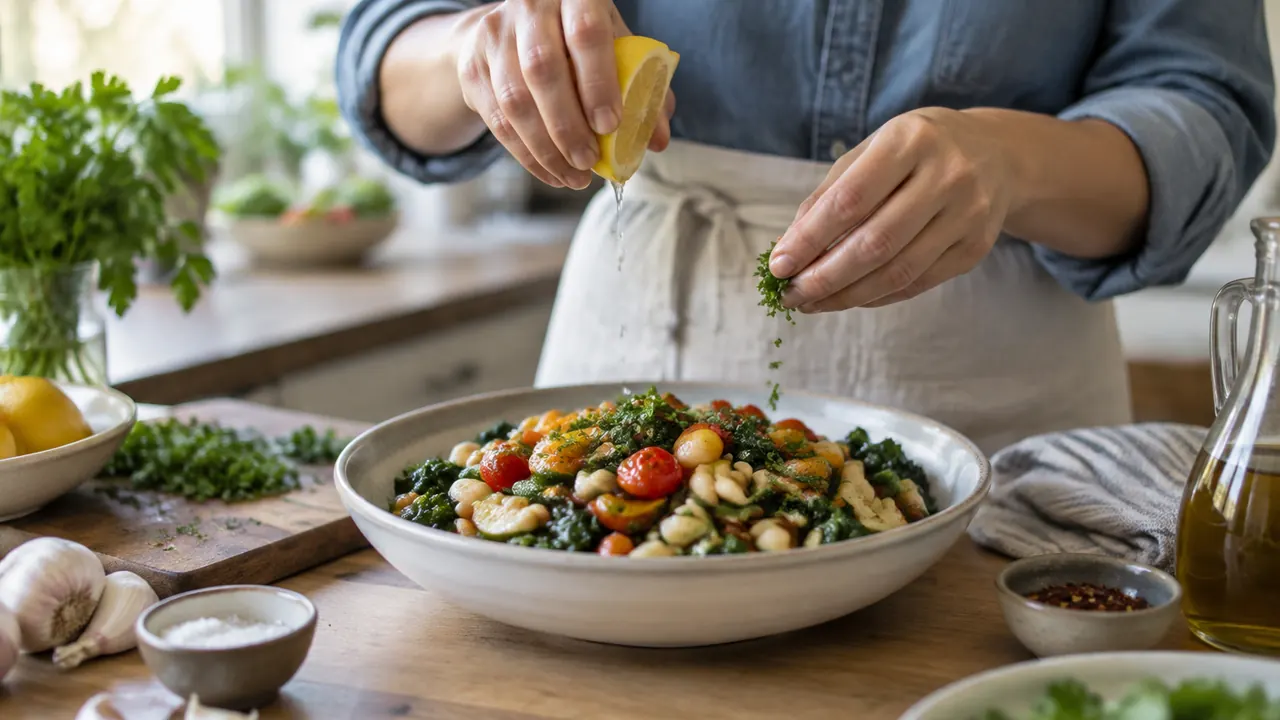
Cutting sodium is easier when you stop treating the saltshaker as the whole problem. Much of the sodium Americans eat comes from packaged and prepared foods, including products that do not taste especially salty. Bread, bottled dressings, deli meat and restaurant meals can quietly add up before you season anything yourself. The goal is not to turn dinner into plain chicken and steamed vegetables. It is to find the sodium you will miss least and keep the flavors you actually enjoy.
For a practical reset in 2026, focus on your usual grocery list rather than an entirely new diet. Compare a few repeat purchases, change how you use sauces, and build flavor with browning, acid, aromatics and texture. Federal guidance generally recommends less than 2,300 milligrams of sodium daily for adults; younger children have lower limits. Your clinician may recommend a different target based on your health. Treat that daily amount as a planning tool, not a reason to judge every individual bite.
1. Find the sodium that repeats throughout your day
The most useful first step is a short inventory, not a kitchen purge. Look at what you eat on two or three ordinary days, including drinks, snacks and condiments. Note sodium per serving and the amount you actually consume. A food with a moderate number can contribute substantially if you eat it several times a day, while a salty ingredient used sparingly may be easier to keep.
Pay attention to combinations. A sandwich can bring together bread, deli turkey, cheese, mustard and pickles; soup on the side adds another layer. None has to disappear automatically. Changing one or two components can preserve the meal you like. If you have a prescribed sodium limit, use that limit when deciding which changes matter most.
- Breakfast: Check sliced bread, bagels, breakfast sandwiches, cottage cheese and any packaged meat, rather than assuming only bacon counts.
- Lunch: Add up the whole sandwich or wrap, including spreads and sides; a large tortilla may contribute more than expected.
- Dinner: Look for stacked sources such as seasoned rice, bottled sauce, frozen breaded protein and a packaged vegetable side.
- Snacks: Count portions honestly, especially with crackers, cheese, salted nuts and dips eaten straight from the package.
2. Compare bread and labels by the portion you eat
Bread is worth checking because it is an everyday food, not because every loaf is unusually high in sodium. Compare similar products using the same amount: two slices against two slices, or one bun against one bun. Whole-grain bread offers nutritional benefits, but whole grain does not automatically mean lower sodium. A smaller loaf slice and an oversized bakery slice also are not equivalent.
On a U.S. Nutrition Facts label, 5% Daily Value or less of sodium per serving is considered low, and 20% or more is high. Low sodium generally means 140 milligrams or less per serving, though some categories have additional rules. Reduced sodium means at least 25% less than the reference food, not necessarily a low amount. No salt added does not mean sodium-free. Check the actual milligrams.
The numbers below are hypothetical label comparisons, not category averages or brand claims. They show why portion math matters more than front-label language. Check the current package even for familiar products: formulations, serving sizes and the number of servings in a container can change.
| Hypothetical comparison | Option A | Option B | Difference for the portion |
|---|---|---|---|
| Two slices of bread | 180 mg per slice: 360 mg | 110 mg per slice: 220 mg | 140 mg less |
| Two tablespoons of dressing | 300 mg | 140 mg | 160 mg less |
| One cup of broth | 800 mg | 140 mg | 660 mg less |
| Entire two-serving meal package | 600 mg per serving: 1,200 mg | 400 mg per serving: 800 mg | 400 mg less |
3. Make sauces work harder in smaller amounts
Sauces are concentrated flavor, so removing them outright can make a lower-sodium meal disappointing. Instead, measure your usual pour once. Soy sauce, teriyaki sauce, barbecue sauce, salad dressing and jarred pasta sauce vary widely, and a casual splash can become several labeled servings. Compare sodium for the same tablespoon amount and remember that reduced-sodium soy sauce can still contribute a substantial amount.
Try stretching a smaller amount of sauce across the dish with sodium-free or very-low-sodium ingredients. For a stir-fry, combine a measured amount of soy sauce with lime, ginger, garlic and water. For salad, whisk a little bottled dressing with olive oil and vinegar. This only reduces sodium if you use less of the original sauce, rather than eating a larger portion of the diluted mixture.
Keep intense finishing ingredients where you notice them. A small sprinkle of Parmesan on top may be more satisfying than a larger amount stirred throughout. The same idea works with olives or a little salsa. Taste after adding acid and aromatics, then decide whether the dish needs more salt. Check seasoning blends, too: garlic salt and lemon-pepper blends are not necessarily salt-free.
4. Keep convenience foods, but rebuild the meal
Convenience is often what makes dinner possible. You do not need to replace every can, freezer bag or microwave pouch with a cooking project. Start with foods you buy frequently: canned beans, soups, broth, frozen meals, instant noodles and seasoned grains. Compare products within the same category, checking both sodium and whether the package is meant to provide one meal or several servings.
Use convenient ingredients as components rather than assuming one package must do everything. A smaller portion of a salty prepared entrée can pair with unsalted vegetables and plain rice, making a satisfying plate with less sodium than a larger entrée portion. Adding vegetables to an entrée and still eating the entire entrée does not remove its sodium, although it can improve the meal in other ways.
- Choose no-salt-added beans when available. Drain and rinse regular canned beans to remove some sodium, without assuming a fixed percentage reduction.
- Buy plain frozen vegetables and add your own olive oil, garlic and herbs instead of automatically choosing versions with sauce.
- Try plain microwave grains; check the label because even products that look unseasoned may contain added salt.
- Use less of an instant-noodle seasoning packet, recognizing that the noodles themselves may also contain sodium.
- Keep no-salt-added canned tomatoes and lower-sodium broth available for quick soups, sauces and skillet meals.
5. Order restaurant meals with a few targeted requests
Restaurant sodium can be difficult to estimate because recipes, portions and preparation vary. Where nutrition information is available, check sodium for the whole order, including sides, dressings and extras. Covered U.S. chains generally must make written nutrition information, including sodium, available on request; it may also be online. A salad or plant-based entrée is not automatically lower in sodium than a sandwich.
Ask questions that the kitchen can realistically act on: Can the sauce come on the side? Are the vegetables already seasoned? Is the protein brined or marinated? Asking for no added salt will not remove sodium already present in broth, breading, cheese or a marinade. If a restaurant cannot customize the main dish, choosing a simpler side or saving part of a large portion may be more useful.
Prioritize the components that matter most to you. Keep the sauce you love but skip an extra salty topping, or choose plain rice instead of seasoned rice when available. Splitting a large entrée can reduce the amount you eat at that sitting, but ordering several salty appetizers alongside it can erase that advantage. Aim for workable trade-offs, not a supposedly perfect order.
6. Build flavor before reaching for more salt
Salt is one part of flavor, not its entire structure. Browning mushrooms, roasting carrots or searing chicken creates savory depth. Lemon juice, vinegar and tomatoes add brightness; toasted spices, garlic and fresh herbs add aroma. Texture helps, too: crunchy cabbage or unsalted toasted nuts can make a bean bowl feel complete. Start with one technique rather than adding every seasoning at once.
Reduce salt gradually if an abrupt change makes familiar foods unappealing. There is no guaranteed adjustment timeline, and individual preferences vary. Keep tasting as you cook, especially before adding salty finishing ingredients. For a vegetable-and-bean dish, try browned onions, cumin, garlic, lemon and parsley, then assess whether a small measured amount of salt would improve it.
- Brighten rich dishes with lemon or vinegar near the end of cooking.
- Toast spices briefly without burning them to deepen their aroma.
- Use salt-free herb blends, checking the ingredient list rather than relying on the blend's name.
- Keep a salty garnish optional so each person can use a small amount.
7. Check before using potassium-based salt substitutes
Some salt substitutes replace part or all of the sodium chloride with potassium chloride, which lowers sodium but increases potassium intake. These products can help some people, but they are not a safe universal swap. Excess potassium in the blood, called hyperkalemia, can cause dangerous heart rhythm problems and may produce no obvious early symptoms.
Kidney disease can reduce the body's ability to clear potassium. Risk also rises with certain medicines, including ACE inhibitors, angiotensin receptor blockers, potassium-sparing diuretics such as spironolactone, and medicines such as trimethoprim. Potassium supplements matter, too. This is not a complete interaction list. If you have kidney disease, a history of high potassium or take prescription medicines, ask your clinician or pharmacist before using a potassium-based substitute.
Check ingredient lists on lower-sodium packaged foods as well; potassium chloride may appear there, sometimes labeled potassium salt. Do not assume a light salt blend is potassium-free. If potassium is restricted in your diet, follow your care team's advice about these products and food choices. Otherwise, the simplest starting point remains label comparisons, fewer stacked sodium sources and more flavor from ordinary cooking techniques.
Consult your clinician or pharmacist about personal sodium and potassium limits, especially if you have kidney disease or take medicines that affect potassium.
AI Assistance Used — AI assistance was used in researching and drafting this article. It was reviewed, edited, and fact-checked by Leah Fornier before publication.