Reading Grocery Shelf Labels: The Number That Actually Matters
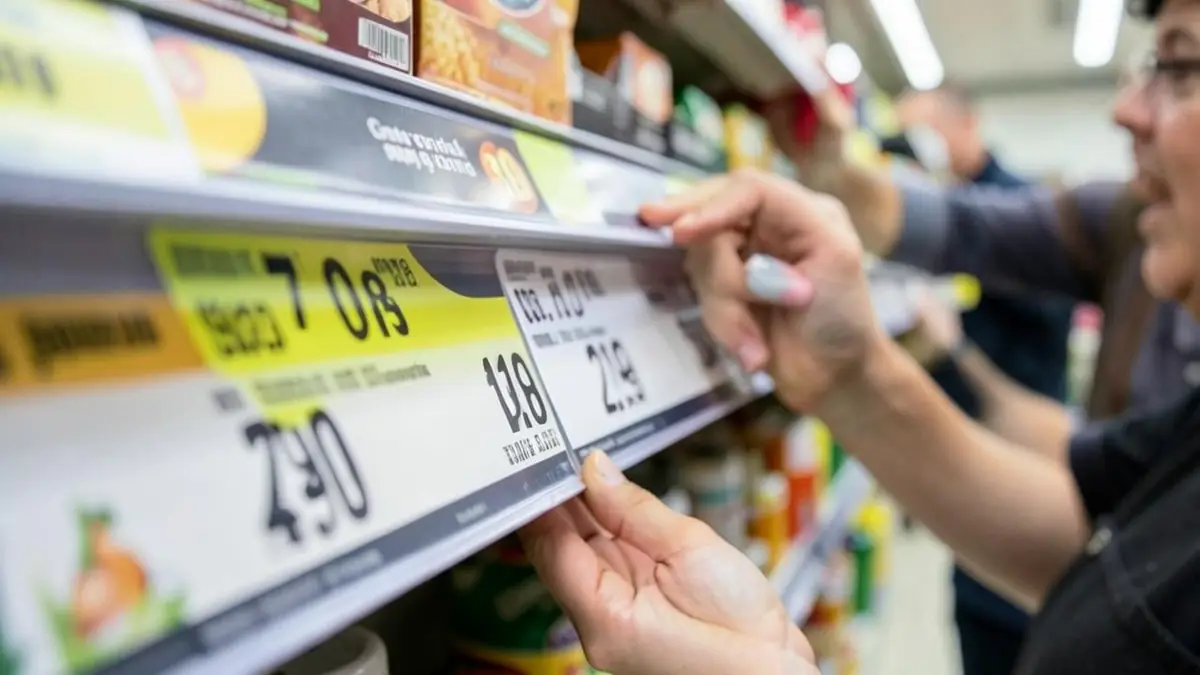
A supermarket shelf is a designed environment. Nothing about the placement of a product, the size of the pack, or the wording of the offer is accidental, and most of it works because shoppers compare the biggest number on the label and move on.
The useful number is almost always printed small, usually at one edge: the price per kilogram, per litre, or per hundred grams. It is the only figure that lets you compare two packs of different sizes honestly, and reading it consistently is the single habit that changes a grocery bill.
Unit price beats pack price
Large packs are usually cheaper per unit, but not always, and the exceptions cluster exactly where shoppers assume otherwise: family sizes of popular brands, multi-buys on chilled goods, and anything on a promotional end cap.
Check that the unit is the same on both labels before you compare. Retailers are allowed to express some categories per item and some per weight, and a comparison between per-100g and per-kilogram figures is where most quick mental arithmetic goes wrong.
Pack sizes move quietly
When costs rise, one common response is to reduce the contents rather than raise the shelf price. The box looks the same, the price looks the same, and the weight has dropped by a tenth. The unit price on the label is where that shows up.
It is worth noting the unit price of the six or seven things you buy every week. You do not need a spreadsheet; just knowing that your usual coffee sits around a particular figure per hundred grams makes a change obvious the week it happens.
Promotions that are not reductions
Multi-buys, loyalty prices, and bundle offers are not automatically savings. A three-for-two on a product priced above its normal level is a discount on a markup. Compare the promotional unit price with the unit price of the plain equivalent on the same shelf.
Time-limited loyalty pricing is genuinely useful on staples you would buy anyway. It works against you on anything perishable, because the saving evaporates the moment part of the purchase is thrown out.
Where things sit on the shelf
Eye level is the most valuable position and is generally occupied by the highest-margin brands. Cheaper equivalents tend to sit at knee height or on the top shelf, and own-label versions are frequently made in the same facilities as the branded product beside them.
End caps and entrance displays are promotional space, not price-leader space. Something displayed there is being advertised, and the advertised item is not necessarily the best value in its own aisle a few metres away.
The categories worth trading down on
For commodity staples where the specification is essentially fixed — flour, sugar, tinned tomatoes, rice, cleaning products, bin bags — the gap between brands is mostly packaging and marketing, and trading down carries little risk.
For products where recipe and technique matter, taste rather than assume. Chocolate, coffee, bread, and anything with a short ingredient list often reward paying more, because the difference is in the ingredients rather than the label.
A checkout habit that keeps you honest
Photograph or note the unit price of the ten items your household buys most. Once you know the range, the shelf label does the work for you, and you stop relying on memory of a total price that inflation quietly moves.
Finally, check the receipt before you leave. Promotional pricing frequently fails to load correctly at the till, particularly on the first day of an offer, and the correction takes two minutes at the desk.
Prices, pack sizes, and promotions vary by retailer and region and change frequently. Compare unit prices at the time of purchase.
AI Assistance Used — AI assistance was used in researching and drafting this article. It was reviewed, edited, and fact-checked by Leah Fornier before publication.