Premium Movie Formats: Which Upgrades Will You Actually Notice?
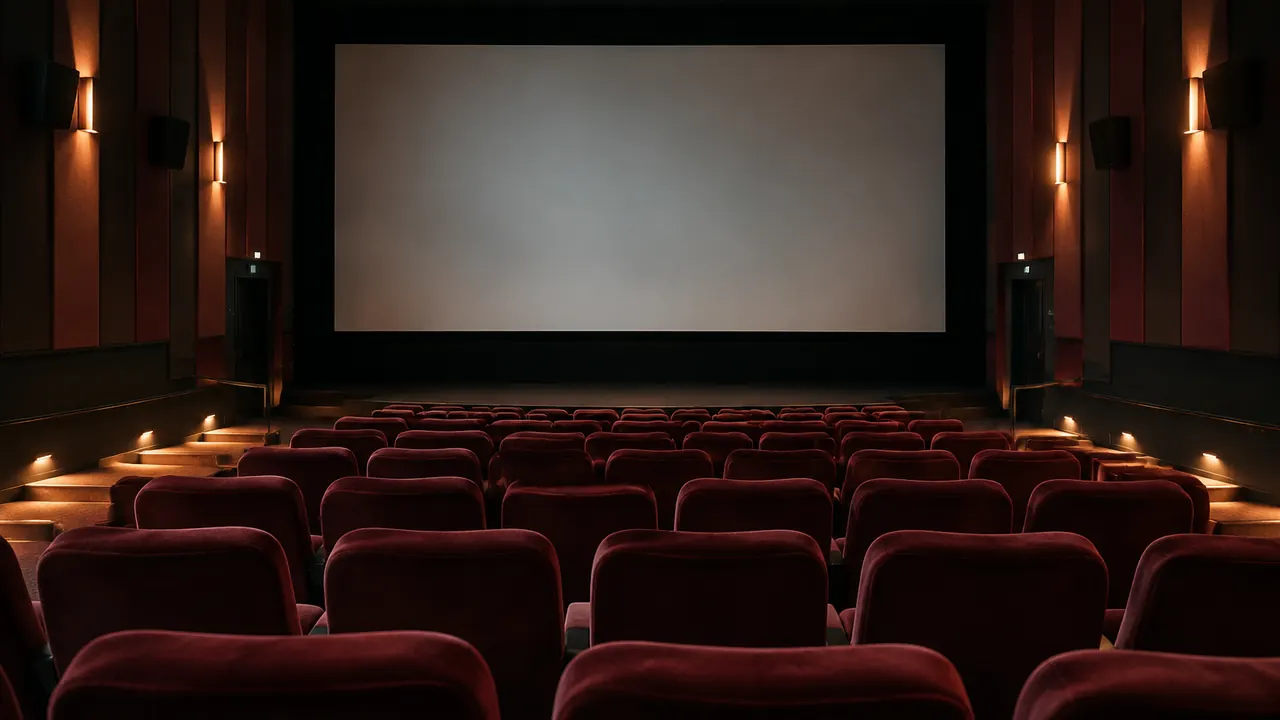
The premium choice on a theater’s booking page can sound like a promise of a better movie. Sometimes it delivers: a towering image can make a spaceflight feel enormous, while well-tuned sound can reveal dialogue and effects that disappear in a lesser room. But an upgrade fee can also buy features you barely notice, or a seat that turns an enjoyable evening into a neck workout.
For moviegoers booking in 2026, the useful question is not which format has the most impressive name. It is what the specific auditorium adds to this particular film. Screen dimensions, projection equipment, the version being shown, seat location and your tolerance for glasses, loud sound or movement all matter. Compare those details before assuming the most expensive option is the best one.
1. Start with the auditorium, not the premium label
Premium cinema is a collection of upgrades, not one standardized product. A branded auditorium may combine a larger screen, laser projection, immersive audio and recliners. Another premium room may emphasize only some of those features. Even theaters carrying the same format name can differ in screen size, layout and equipment. Look up the actual location rather than relying on a chain-wide promotional page.
Use the comparison below to match an upgrade to something you value. Then check the final checkout total against a standard showing you would genuinely attend. There is no reliable nationwide surcharge: fees vary by theater, market, showtime, membership and ticket type. If the theater’s description is vague, a call to the box office can be more useful than another trailer.
- Confirm which features apply to your exact showing, not just the theater building.
- Check whether premium seating, 3D glasses or motion effects are included in the displayed ticket price.
- Compare showtimes as well as prices; a rested audience member may enjoy a standard screening more than a late premium one.
| Upgrade | What you may notice | Main caution |
|---|---|---|
| Large-format screen | A bigger, more enveloping image | Screen size and seating layout vary |
| Laser projection | Potentially brighter, more consistent presentation | Laser alone does not guarantee superior contrast |
| Immersive sound | Effects positioned around and above you | Results depend on the mix and room |
| 3D | Depth and separation between objects | Glasses reduce light and can cause discomfort |
| Motion seating | Movement synchronized with the action | Intensity and participation controls vary |
2. Large-format screens: Pay for scale you can comfortably see
Large-format presentation is easiest to appreciate when scale contributes to the storytelling: sweeping landscapes, elaborate animation, racing sequences or a carefully composed action spectacle. A bigger image can also make small visual details easier to see. But perceived size depends on distance. A huge screen viewed from far behind the main seating area may feel less enveloping than a smaller screen from a well-chosen row.
IMAX and other premium large-format options are not interchangeable specifications. Some films have sequences with an expanded image in selected presentations, but not every IMAX release does, and not every auditorium can show the same expanded aspect ratio. Black bars are not automatically a mistake or evidence that you are missing footage. Check the film’s official format information and the venue’s capabilities rather than assuming the image should fill every screen.
As a starting point, choose seats near the horizontal center and around the middle to rear-middle of the room. Adjust for your eyesight and preference for immersion. The front rows can require substantial upward viewing or head movement, especially with very tall screens. For a dialogue-driven film, a comfortable central seat in a good standard auditorium may offer more value than a premium ticket at the edge.
3. Laser projection: A useful clue, not a quality guarantee
Laser describes the projector’s light source, not a complete picture-quality standard. A properly configured system can provide strong brightness, stable illumination and rich color. That can help on large screens and in 3D, where glasses reduce the light reaching your eyes. However, resolution, black levels and contrast depend on the projector design and the rest of the installation, not simply whether the listing says laser.
Specialized premium systems can offer capabilities beyond an ordinary laser installation, but the finished movie and its theatrical master still set limits. Laser does not turn every release into high-dynamic-range imagery, and a 4K projector cannot create original detail that is absent from the source. Screen condition, focus, alignment and stray light also affect what you actually see. A carefully maintained conventional auditorium can outperform a poorly presented premium one.
Treat laser as a positive feature rather than an automatic reason to pay more. It becomes a stronger selling point when you already know that a theater delivers crisp focus and even brightness. If a familiar standard room looks excellent, moving to laser may be a subtler improvement than changing screen size or seating position. For a dark, visually intricate film, contrast and proper presentation may matter more than raw brightness.
4. Immersive sound: Listen for placement, not just volume
Immersive audio systems, including Dolby Atmos and DTS:X, can place sounds around the auditorium and overhead when supported by the film’s mix and the installation. The noticeable benefit is not merely louder explosions. Rain can seem to occupy the room, a passing aircraft can move overhead, and music and effects can feel more distinct. Subtle sound design can benefit, too; this is not exclusively an action-movie upgrade.
The hardware is only half the story. The release needs a compatible mix to use the system as intended, and the room needs proper calibration. Dialogue clarity also depends on the original mix and auditorium acoustics. An immersive label does not guarantee every whispered line will be intelligible, nor does it promise a comfortable playback level. Good conventional surround sound remains a perfectly reasonable choice.
- Choose a seat near the room’s horizontal center for a more balanced starting point.
- Do not assume a seat directly beneath an overhead speaker delivers the best overall mix.
- If loud sound bothers you, ask about sensory-friendly screenings; premium branding does not specify loudness.
- Check hearing-access options for the exact showing, including assistive listening devices and available captioning.
5. 3D: Buy depth only if you enjoy the trade-off
3D presents different images to each eye to create a sense of depth. At its best, it gives a scene convincing space rather than constantly throwing objects toward the audience. Animation, underwater worlds and carefully staged visual adventures can be rewarding candidates. Whether a film was captured stereoscopically or converted later does not settle the quality question: a thoughtful conversion can work well, while either approach can be undermined by poor presentation.
The clearest trade-off is brightness. Glasses absorb or filter light, and an inadequately bright screening can look dim, especially in dark scenes. Some viewers also notice ghosting, eyestrain, headaches or nausea. Glasses can feel awkward over prescription frames. A laser-equipped room may help deliver a stronger 3D image, but the label alone cannot establish how bright that specific showing will look.
If you already know you dislike 3D, there is little reason to pay to test that preference on a long movie. Choose 2D and spend the difference on a better seat or another visit. If you are curious, look for reviews that discuss the actual 3D presentation, not simply the movie’s visual effects. Stay reasonably centered, and avoid extreme front or side seats that make viewing less comfortable.
6. Motion seating: Treat it as an attraction
Motion formats synchronize seat movement with the film. Depending on the system and venue, the experience may also include vibration, wind, water or other environmental effects. These are different offerings: D-BOX seating and a 4DX auditorium should not be assumed to provide identical sensations or controls. For some viewers, a chase becomes more playful and involving. For others, movement interrupts attention, dialogue or the simple business of holding a drink.
This is the upgrade most dependent on personal comfort. Do not assume everyone in your group can participate, or that every effect can be switched off. Read the venue’s current warnings before booking, especially if you are pregnant, have back or neck problems, experience motion sickness or have another condition that movement could aggravate. Ask a clinician if you are unsure whether the experience is appropriate for you.
- Verify age, height and other participation restrictions before buying tickets for children.
- Ask whether your seat has intensity settings, an off option or only limited effect controls.
- Check accessibility, transfer requirements and companion seating directly with the venue.
- Secure loose belongings and follow staff instructions about food, drinks and leaving the seat.
7. Make the final choice around the film and your group
Start with the movie’s strengths. For a spectacle with confirmed expanded-image sequences, prioritize a suitable large-format room and a central seat. For a sound-driven thriller or musical, an excellent immersive-audio auditorium may be the better upgrade. For a comedy or intimate drama, good projection, clear dialogue and comfortable seating can be enough. None of these are rigid genre rules: the individual film and presentation matter more.
Next, eliminate options that conflict with anyone’s comfort. A glasses-averse viewer does not need 3D, and someone prone to motion sickness should not feel pressured into moving seats. Look at the remaining seats before committing to the format. Finally, compare the full group cost. If the premium option leaves you far off-center, strains your budget or requires an inconvenient showtime, choose the good standard screening without apology. The smartest upgrade is one you will notice and enjoy, not merely one printed on the ticket.
Before booking, verify current prices, format specifications, accessibility options and participation restrictions with the theater for your exact showing.
AI Assistance Used — AI assistance was used in researching and drafting this article. It was reviewed, edited, and fact-checked by Jordan Singh before publication.