The Pet-Sitter Handoff Checklist That Goes Beyond Feeding Times
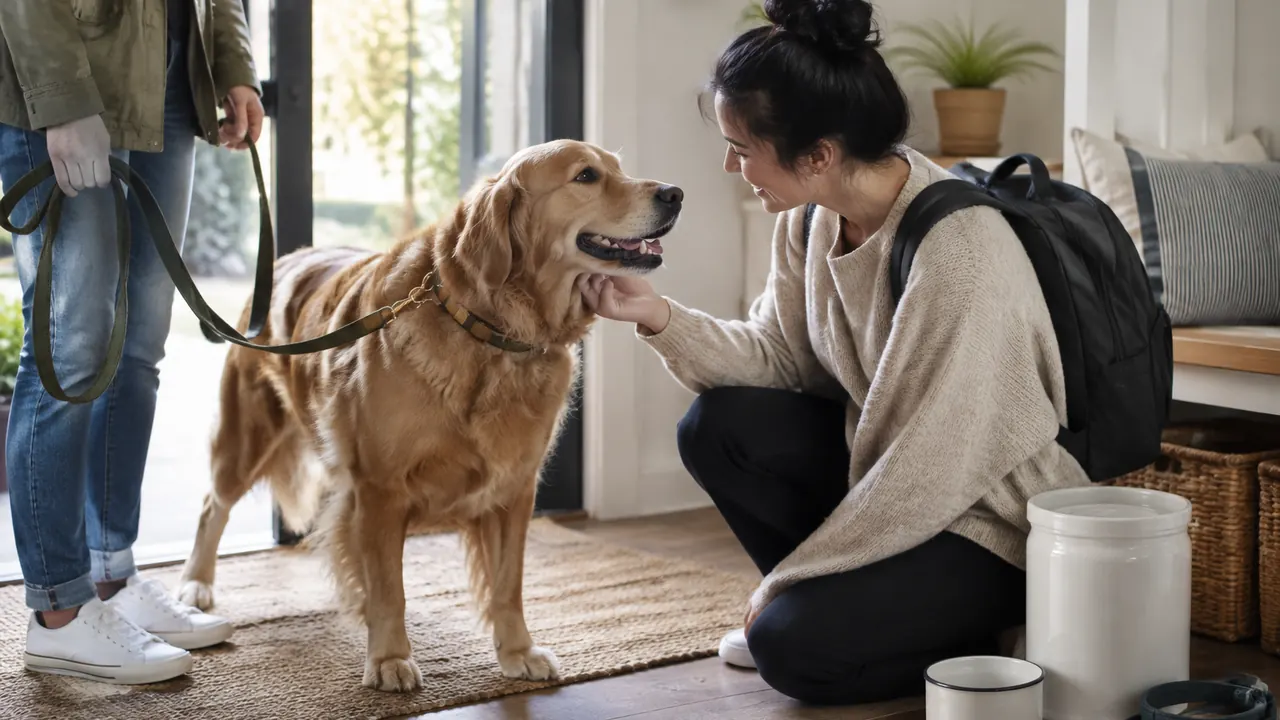
The hardest part of leaving a pet at home is not always finding someone to fill the bowl. It is making sure that person knows what to do when your dog refuses breakfast, your cat slips toward the door or your smart lock stops responding while you are on a flight. A useful handoff turns those possibilities into instructions the sitter can follow without guessing.
For a 2026 trip, keep a shared digital copy of your care plan, but leave a printed version where supplies are stored. Apps, cameras and connected feeders can help; they cannot replace an agreed care schedule or someone authorized to act. Build the plan around your pet’s actual needs, then test it during a visit before departure.
1. Start with a routine the sitter can actually deliver
Describe a normal day from your pet’s perspective: waking, toileting, meals, exercise, rest and bedtime. Separate the clock-dependent tasks from the flexible ones. A dog who needs a midday bathroom break should not be booked into a schedule that only promises morning and evening visits. Define whether overnight care means sleeping at your home and how long the sitter may be away.
Record what normal looks like, including appetite, drinking, bathroom habits and sociability. Explain whether hiding is typical for your cat or unusual enough to warrant a call. Avoid vague directions such as “a little food” or “a good walk.” Demonstrate portions with the actual scoop and specify safe walking routes, indoor games and weather adjustments.
- List each pet’s name, photo, identifying features and usual location, especially in a multi-pet home.
- Write food amounts, meal windows, treat limits and any separation needed to prevent food stealing.
- Specify litter-box cleaning, waste disposal, water changes and the location of spare bedding and cleaning supplies.
- Flag chewing, resource guarding, noise sensitivity and handling dislikes; say what the sitter should do instead of forcing cooperation.
- Agree on visit duration and whether the sitter can bring anyone else or care for other animals in your home.
2. Make the trial visit a rehearsal, not a greeting
Schedule a trial early enough to change plans if the match is wrong. Agree beforehand whether it is paid and what it includes. Have the sitter enter using the intended access method, find supplies and run through a normal care sequence. Watch how your pet responds without expecting instant affection. For a fearful animal, several shorter introductions may be more useful than one long visit.
Let the sitter perform the tasks rather than watching you do everything. That might mean fitting the harness, separating pets for meals or coaxing a cat into view without pulling it from hiding. If medication is involved, use the prescribed schedule; do not give an extra dose for demonstration. Ask the sitter to explain the instructions back in their own words.
If safe and appropriate, step out briefly so you can see whether your pet tolerates care without you. Discuss what happens if a walk, injection or essential bathroom break cannot be completed. A sitter who identifies a limitation is giving you useful information. Arrange another caregiver or ask your veterinarian about alternatives before departure, rather than hoping a difficult task will become easier once you are gone.
3. Write medication instructions that leave no room for improvising
Prepare a separate medication record for each pet using current veterinary directions. Include the medication name, strength, exact dose, route, timing, food requirements and storage instructions. Keep medicines in their labeled containers, with any organizer clearly matched to them. For liquids, identify the correct measuring syringe and markings; household spoons are not an adequate substitute.
Ask the prescribing veterinarian what the sitter should do about a missed dose, vomiting after a dose, refusal or a possible double dose. Put those answers in writing. Some medications require precise timing or special handling, and not every sitter is trained or willing to administer them. Confirm competence and service limits before booking. Never authorize the sitter to improvise doses or give human pain relievers.
Use a shared administration log, with a paper fallback, so a backup caregiver does not repeat a completed dose. Record the time immediately after administration, not in advance. If a dose is uncertain, the sitter should contact the veterinarian rather than assume it was missed.
- Leave enough medication for the trip plus a reasonable delay buffer, arranged with the veterinarian when needed.
- List known allergies, previous medication reactions and the clinic that manages each ongoing condition.
- Provide veterinary instructions for as-needed drugs, including triggers, minimum intervals and maximum permitted amounts.
- Explain safe disposal of needles and where temperature-sensitive medicines belong.
4. Treat doors, walks and hiding places as an escape-prevention system
Walk through the home looking for opportunities a visitor might miss: a door that does not latch, a loose screen, a garage opening into the house or a fence gap behind a planter. Write down which doors may be used and how pets should be secured before deliveries or visitors arrive. For a door-dashing animal, establish a closed interior barrier before opening the outside door.
Check collars, tags, harness fit and leash clips during the trial. Tell the sitter whether the yard requires direct supervision and prohibit off-leash outings unless you have explicitly agreed on a secure setting. Update microchip registration and tag contacts before departure; a microchip is identification, not live location tracking. If you use a tracker, explain charging and access without treating it as an escape safeguard.
Leave a recent photo and a short lost-pet plan, including whom to call, nearby hiding spots and any approach that could frighten the pet into running. Give permission to contact local shelters and animal control promptly. For cats, list normal hiding places and require a visual check at each visit when feasible. An untouched bowl alone does not establish that a pet is safely inside.
5. Arrange veterinary authority and money before there is a crisis
Call your regular veterinary clinic before travel and ask what it needs to discuss care with your sitter and accept treatment authorization. A note on your refrigerator may not satisfy clinic requirements. Provide the sitter’s full name, travel dates, your contacts and a backup decision-maker who has agreed to serve. Ask the preferred emergency hospital about its process too; do not assume both facilities operate alike.
Your written plan should distinguish permission to transport a pet, permission to approve care and arrangements for payment. State an initial spending limit and what happens if you cannot be reached or the estimate exceeds it. Ask clinics how they handle those instructions. Authorization does not guarantee credit, treatment availability or that a clinic will retain and charge your card.
Confirm an accepted payment method directly with the clinic, and avoid leaving card details in an unsecured document. Many pet insurance policies require payment upfront and reimbursement later; verify your policy rather than expecting direct billing. Decide whether the sitter may advance money, whether they are willing and how quickly you will repay them. Do not make that the unspoken default.
| Arrangement | What it establishes | What to verify |
|---|---|---|
| Clinic authorization | Who may discuss or approve care | Required forms and scope of consent |
| Spending instructions | Initial limit and escalation contact | Procedure if nobody answers |
| Payment arrangement | How the clinic will be paid | Accepted method and deposit requirements |
| Insurance information | Coverage and claim contacts | Upfront payment and reimbursement rules |
6. Define emergencies and the communication chain
Ask your veterinarian for pet-specific warning signs and include them alongside basic escalation instructions. Trouble breathing, collapse, uncontrolled bleeding, suspected poisoning or repeated straining without producing urine warrant urgent veterinary contact. The sitter should not wait for your routine check-in to report these signs. Direct them to call an emergency veterinarian and follow instructions while attempting to reach you.
List the regular clinic, a verified after-hours hospital and an animal poison-control service, noting that consultation fees may apply. Confirm emergency hours and whether the facility treats your pet’s species. Identify a usable carrier or transport restraint and agree on transportation. If the sitter has no vehicle, resolve that gap before the trip.
- Set one routine update time, your preferred channel and the details you want: meals, medication, bathroom habits and behavior.
- Write the urgent contact order, including a reachable backup and any flight or time-zone gaps.
- Require immediate reporting of missing pets, failed access, missed essential care and medication errors.
- Explain that photos and camera views supplement visits; they do not prove that all care was completed.
7. Test backup access and close the loop
Give the sitter an individual access code if your system supports one, and test it with the door locked. Check batteries, alarm instructions and automatic locking. Provide a secure physical-key fallback that does not depend on your phone, home Wi-Fi or a powered garage door. Avoid obvious outdoor hiding places. A trusted nearby person can hold a spare if they have agreed and will be available.
Name a backup caregiver, confirm availability and permission to enter, and share essential care instructions securely. Decide who activates that backup if the sitter becomes ill or misses a visit. Disclose indoor cameras and their locations before the booking, and agree on their use.
Before leaving, check supplies, carrier access and the printed plan. Keep care scheduled through your realistic return time, with a procedure for travel delays. Send an explicit message when you are home so the sitter knows responsibility has transferred back. Then retrieve keys or disable temporary codes and review anything that should change for next time.
Consult your veterinarian about individualized care and emergency instructions, and verify current sitter terms, clinic policies and payment requirements before travel.
AI Assistance Used — AI assistance was used in researching and drafting this article. It was reviewed, edited, and fact-checked by Jordan Singh before publication.