Is Outlet Merchandise the Same as the Full-Price Version?
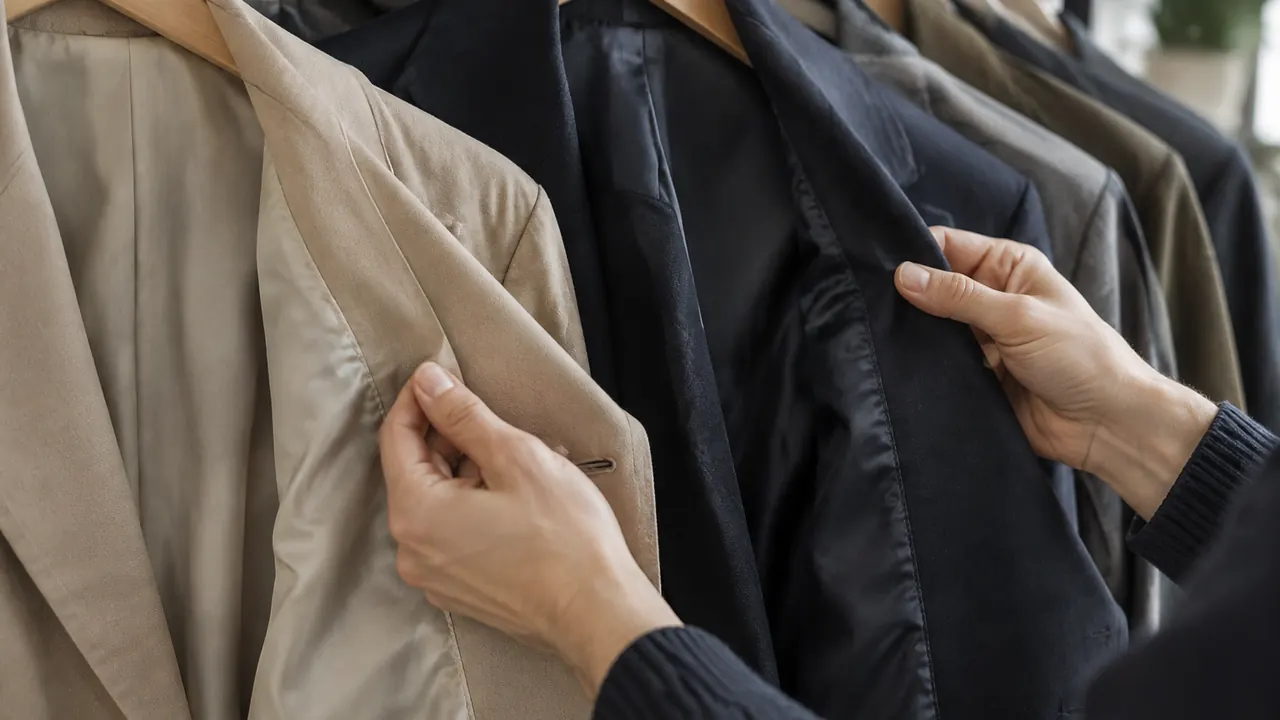
Sometimes outlet merchandise is the same product that previously sold in a brand’s full-price stores. Sometimes it is a separate product designed for the outlet channel, with different fabric, hardware, construction or features. Both can sit on the same rack, and a familiar logo does not tell you which you are holding. The useful question is not simply whether an outlet item is “real.” It is whether this particular version delivers the quality and function you want at the price you will actually pay.
For outlet shopping in 2026, treat a crossed-out price as a claim to investigate, not a quality rating. Your best tools are the product label, a model or style number, a close inspection and a comparable current listing. Here is how to separate older mainline stock from outlet-specific merchandise—and recognize when either could be a sensible purchase.
1. Understand what an outlet may be selling
An outlet is a sales channel, not a single grade of merchandise. Depending on the retailer, its inventory may include past-season goods, excess stock, outlet-specific collections, returns or disclosed imperfect items. Do not assume every store carries every category. A brand-owned outlet also differs from an independent clearance seller, whose inventory and policies may be less consistent.
Past-season stock can offer the same specifications as the original mainline product, although storage, handling and condition still matter. Made-for-outlet merchandise is not automatically defective or counterfeit; it may be intentionally designed to sell at a lower price. The trade-off could be lighter fabric, simpler details or fewer components. Those changes may matter greatly for a winter coat and very little for an occasional-use tote.
| Inventory type | What it generally means | What to verify |
|---|---|---|
| Past-season mainline | An older regular-line product | Exact style, specifications and condition |
| Excess mainline stock | Surplus regular-line inventory | Matching model and actual selling prices |
| Made for outlet | A separate outlet-channel version | Materials, features and construction |
| Seconds or imperfects | Goods with disclosed flaws | Defect, usability and return eligibility |
2. Start with the style number, not the product name
A product name is a weak identifier. A brand may use similar names for jackets with different linings, bags with different leather treatments or shoes with different soles. Find the style or model number on the sewn-in label, hangtag, packaging or product page. Photograph the full identifier, including any suffix, plus the material label. A store SKU may identify only that retailer’s listing, so ask which code identifies the manufacturer’s product.
Search the exact identifier on the brand’s main site, outlet site and established retailers’ sites. An older listing with matching specifications can support a past-season identification. A missing search result proves little: discontinued pages disappear, and some products have limited distribution. Likewise, matching names or photos alone do not establish identical construction.
There is no universal label mark, stitch, symbol or number prefix that identifies outlet-only goods across brands. Even brand-specific shortcuts found online may be outdated. Ask an associate whether the item was made for the outlet or transferred from mainline inventory, then request product documentation when the distinction affects your decision.
3. Read the materials as specifications, not marketing
Compare the complete fiber percentages, not just a headline such as “wool coat” or “cotton shirt.” Two similar-looking garments may use different blends, weights or linings. A blend is not inherently worse: nylon can add abrasion resistance, and elastane can improve movement. What matters is whether the material suits the job and whether its likely performance justifies the price. Fiber content alone does not reveal fabric weight, yarn quality or finishing.
For bags and shoes, read descriptions component by component. A leather upper does not establish the material of the lining, trim or sole. Leather terminology can also be broad; “genuine leather” is not a precise performance grade. For outerwear, distinguish water resistance from waterproof construction and look for specific insulation and seam details rather than relying on warmth claims.
- Compare shell, lining and fill separately; each can differ between versions.
- Hold fabric toward light to assess opacity and consistency, without stretching it.
- Check whether leather claims cover the whole item or only selected panels.
- Read care instructions: dry-cleaning or special treatment changes ownership costs.
- Look for explained performance specifications, not unsupported technical-sounding terms.
4. Inspect the construction where shortcuts would matter
Turn garments inside out when possible. Look for reasonably even stitching, secure seam ends and seams that lie flat rather than pucker. Gently test zippers, snaps and buttons without pulling hard. Check pocket corners, strap attachments and other stress points. One loose thread may be cosmetic; skipped stitches, an opening seam or hardware that catches repeatedly deserves more concern.
More elaborate construction is not always necessary, and heavier is not always better. An unlined jacket may be designed for warm weather, while a lightweight zipper may suit a thin layer. Compare products intended for the same use. Try the item on, move naturally and check whether the lining pulls, the pockets gape or the garment twists. The goal is sound construction for your needs, not a checklist of expensive-looking extras.
| Area | Useful check | Reason to pause |
|---|---|---|
| Seams | Even stitches and secure joins | Gaps, skipped stitches or pronounced puckering |
| Lining | Comfortable movement and clean attachment | Pulling, bunching or exposed raw edges |
| Hardware | Smooth operation and firm attachment | Snagging zippers or loose snaps |
| Stress points | Secure pockets, handles and straps | Separating stitches or weak attachments |
5. Compare features that change everyday performance
Two products can look almost identical from the front while working differently in daily use. An outlet bag might have fewer interior compartments; a jacket might omit an adjustable hood, interior pocket or wind-blocking zipper flap. These differences do not automatically make it a bad buy. They do mean it is not an equivalent comparison merely because the silhouette and branding match.
For shoes, check the exact model and version, fit, cushioning description, outsole material and any stated waterproofing. For luggage, compare empty weight, dimensions, wheel design, handle operation and warranty coverage. Similar product-family names can conceal meaningful changes. When shopping online, request missing specifications rather than filling gaps with details from a mainline listing.
- List three must-have features before comparing prices.
- Match intended use: commuting, occasional travel and daily outdoor wear demand different things.
- Compare dimensions and usable storage, not just labels such as “medium.”
- Treat unavailable specifications as uncertainty, not proof of equal quality.
- Walk away if a missing feature would require replacing the item later.
6. Build your own price comparison
The claimed original price should not anchor your decision. Depending on the wording and seller, a reference price may represent a manufacturer’s suggested price, a former selling price or a comparison with other merchandise. It does not by itself prove that this exact item regularly sold for that amount. Read nearby explanations for terms such as “compare at,” “value” or “MSRP.”
Instead, compare the final checkout price with the current cost of the exact item, if available, and with genuinely similar alternatives. Include a mainline sale item when it offers comparable materials and features. Calculate the actual total after eligible coupons, mandatory charges, shipping and applicable tax. Stacked promotions may apply sequentially rather than adding together.
If an outlet-only item costs less but omits something you need, the discount is not useful savings. Conversely, a simpler version can be good value when it fits well and does the job. Judge the product against your realistic alternatives, not an impressive percentage on a sign.
7. Confirm the exit options before paying
A return policy is part of the purchase. Outlet purchases may have different return windows, final-sale exclusions or return locations than mainline purchases. Do not assume a regular store will accept an outlet return, or that an online outlet order can go back to a nearby location. Check whether promotional discounts change eligibility, and whether refunds go to your original payment method.
Ask about warranty coverage for the exact item, particularly luggage, footwear and costly accessories. Keep the receipt and photograph the product label and any relevant listing. Before leaving, inspect the item you will actually take home, including its size, matching components and condition. If the product’s origin remains unclear, you can still evaluate it—but pay for the specifications you can verify, not an assumed mainline pedigree.
Retailer assortments, prices, promotions, return policies and warranty terms can change; verify the current details for the exact item before purchasing.
AI Assistance Used — AI assistance was used in researching and drafting this article. It was reviewed, edited, and fact-checked by Jordan Singh before publication.