Do You Need a Night Guard for Teeth Grinding?
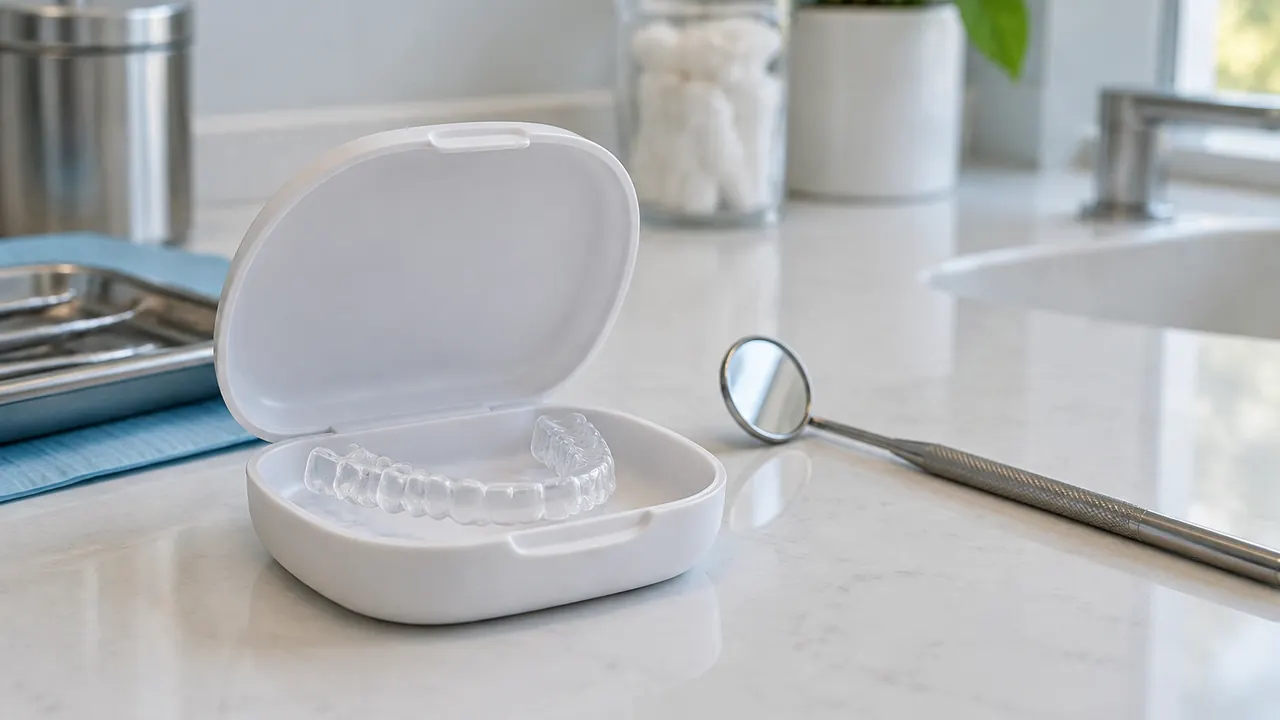
Waking up with a sore jaw, noticing a chipped tooth or hearing that you grind in your sleep can make a night guard seem like an obvious purchase. It may be a useful one: A properly selected and fitted appliance creates a barrier between your upper and lower teeth, helping limit damage from repeated contact. But protecting teeth is not the same as stopping the muscle activity behind grinding, and jaw pain does not automatically mean you need a guard.
In 2026, consumers can choose among pharmacy guards, dentist-made appliances and custom products ordered online using home impressions. Those choices differ in fit, materials, oversight and price—not just convenience. Before buying, it helps to establish what needs protecting, whether grinding is actually involved and whether symptoms point to another problem. A dental exam is especially important if you already have pain, damaged teeth, extensive dental work or possible signs of a sleep disorder.
1. What a night guard can—and cannot—do
Teeth grinding and clenching are forms of bruxism. They can happen during sleep or while you are awake, and some people do both. A night guard, also called an occlusal guard or splint, usually covers one arch of teeth. Its main protective role is to keep opposing teeth from wearing directly against each other and to provide a replaceable surface that takes some of that wear.
A guard may help protect enamel, fillings, crowns and other restorations, but it cannot guarantee that nothing will crack or loosen. Clenching forces still exist while an appliance is in place. Some people experience less morning muscle discomfort with an appropriately fitted guard; others continue to grind or have pain despite wearing one. Evidence for consistently stopping sleep bruxism is limited, so promises to “cure grinding” deserve skepticism.
Nor can a guard rebuild lost enamel, repair a fracture or treat decay. If your teeth already look shorter, feel sensitive or have broken edges, you need an assessment of the damage as well as a prevention plan. The right question is not simply whether a guard works, but what outcome you and your dentist expect it to achieve.
2. Check whether grinding explains your symptoms
Bruxism does not always cause symptoms, and tooth wear alone cannot establish that you currently grind at night. Wear may reflect past grinding, acid erosion or several processes together. A dentist can examine wear patterns, restorations, jaw muscles and joints, and ask about morning symptoms, daytime habits, medicines and reports from a sleep partner. Sleep testing is not routinely needed just to prescribe a protective guard.
Jaw pain also has other explanations. Temporomandibular disorders, often called TMD, involve the jaw joints, chewing muscles or both. A painful tooth, an infection or a headache condition can produce overlapping symptoms. Painless clicking alone does not necessarily require treatment. Pain that persists, limits eating or worsens with a guard calls for reassessment rather than a thicker appliance bought on your own. Seek emergency care if jaw pain accompanies chest pressure, shortness of breath or other possible heart attack symptoms.
- Book a dental visit for new chips, increasing sensitivity, repeated broken fillings or recurring morning jaw fatigue.
- Seek prompt dental advice for jaw locking, a changed bite or difficulty opening your mouth.
- Get urgent care for facial swelling with fever; trouble swallowing or breathing requires emergency help.
3. Compare custom, online and store-bought guards
A dentist-made guard typically starts with a scan or impression, followed by fitting and bite adjustment. The dentist can account for existing dental work and check how your teeth contact the appliance. Store-bought products generally cost less upfront, but the user does more of the fitting work. An online custom product may use an impression of your teeth without including an in-person examination or adjustment.
In the United States, retail guards often cost tens of dollars, while dentist-provided custom appliances commonly cost several hundred dollars and sometimes more. Online custom options vary widely and may fall between those categories. Treat those as broad budgeting guides, not quotes. Ask for the complete price, including fittings, adjustments, remakes and follow-up visits. Dental coverage depends on your plan, diagnosis and benefit rules; “custom” does not automatically mean covered.
- Ask whether the quoted product is intended for sleep bruxism, not sports or tooth movement.
- Check whether an insurer requires preauthorization, documentation or a particular billing code.
- For online purchases, read impression-rejection, remake and return rules before opening the kit.
| Option | Main advantage | What to verify |
|---|---|---|
| Dentist-made custom guard | Individual fit with clinical assessment | Material, adjustment visits, total cost and remake policy |
| Online custom guard | Made from a submitted impression | Who reviews fit, access to adjustments and refund terms |
| Boil-and-bite guard | Lower cost with some molding | Coverage, retention and whether home fitting is appropriate |
| Ready-to-wear guard | No impression or molding step | Bulk, stability and contact with teeth and gums |
4. Fit matters more than a comfortable first impression
A guard should stay in place without constant clenching, cover the intended teeth and avoid cutting into gums. It should not rock, dislodge easily or create sharp pressure on one tooth. Some initial awareness or extra saliva is common, but persistent pain, sores or a bite that feels different after removal are reasons to contact a dentist. Do not keep wearing a painful appliance hoping your teeth will adapt.
Hard, soft and layered materials have different trade-offs. Hard appliances can be precisely adjusted; soft ones may feel more comfortable initially but can wear through, and some people find themselves chewing on them. There is no single material or thickness that is best for everyone. The choice depends on your teeth, restorations, grinding pattern and treatment goals—not simply whether a product is advertised as heavy-duty.
Full-coverage designs are commonly used for ongoing protection. Appliances that contact only some teeth can allow unwanted tooth movement or bite changes, especially without monitoring. Avoid improvising with a sports mouthguard or assuming your orthodontic retainer provides equivalent protection. If you have braces, implants, loose teeth or ongoing dental treatment, get specific advice before selecting an appliance.
5. Snoring and poor sleep need a separate assessment
Sleep bruxism and obstructive sleep apnea can occur in the same person, but one does not prove the other, and their relationship is complex. In sleep apnea, the airway repeatedly narrows or closes during sleep. An ordinary grinding guard is not an apnea treatment. It also should not be confused with a mandibular advancement device, which holds the lower jaw forward and is prescribed for selected patients with sleep-disordered breathing.
Tell your dentist about snoring and sleep symptoms before getting a guard, particularly if you already have diagnosed apnea. Some appliance designs may affect breathing in susceptible people, so selection and monitoring matter. A medical clinician or sleep specialist can determine whether testing is needed. A smartwatch alert, phone recording or sleep partner’s observation can start that conversation, but none can diagnose or reliably rule out apnea on its own.
- Report loud, frequent snoring, witnessed breathing pauses or waking up choking or gasping.
- Mention unrefreshing sleep, recurring morning headaches and significant daytime sleepiness.
- If you are drowsy while driving, stop driving and seek prompt medical advice rather than waiting for a guard to help.
6. Address clenching and pain beyond the appliance
If you clench while working, driving or concentrating, wearing something only at night will not address that daytime pattern. Brief reminders can help you notice whether your teeth are pressed together. At rest, keep the jaw relaxed and the teeth apart rather than repeatedly testing your bite. A clinician may recommend habit-awareness techniques or other conservative care tailored to your symptoms.
Stress management and regular sleep habits may help some people, but grinding is not simply a failure to relax. Discuss caffeine, alcohol, nicotine and medication changes with your clinician if they seem connected to symptoms. Some medicines can contribute to clenching or grinding; do not stop a prescription on your own. For painful TMD, options may include education, temporary changes to chewing habits, guided exercises or physical therapy after assessment.
Be cautious about irreversible treatments offered as a quick grinding fix, including reshaping otherwise healthy teeth or extensive restorative work solely to change the bite. These are not routine first-line approaches for bruxism or nonspecific jaw pain. Ask for the diagnosis, the expected benefit, alternatives and the risks before agreeing.
7. Plan for cleaning, follow-up and replacement
Once you have a guard, follow its cleaning instructions and bring it to dental checkups. Brush your teeth before wearing it, rinse it after use and clean it with a method compatible with its material. Avoid hot water unless specifically directed for initial molding; heat can distort the fit. Let the appliance dry and store it in a ventilated case away from pets.
There is no universal replacement schedule. Lifespan depends on material, grinding forces, care and changes to your teeth. Cracks, holes, rough edges, looseness or a distorted shape warrant review. New crowns, fillings or tooth movement may also change the fit. Arrange follow-up if pain continues even when the guard looks intact. A useful guard is one that protects your teeth, fits safely and remains part of a plan that is reassessed when symptoms change.
Consult a dental or medical professional about persistent symptoms, and verify current appliance prices, coverage and follow-up terms before purchasing.
AI Assistance Used — AI assistance was used in researching and drafting this article. It was reviewed, edited, and fact-checked by Nadia Clarkson before publication.