Meal Planning for One Without Eating the Same Dinner All Week
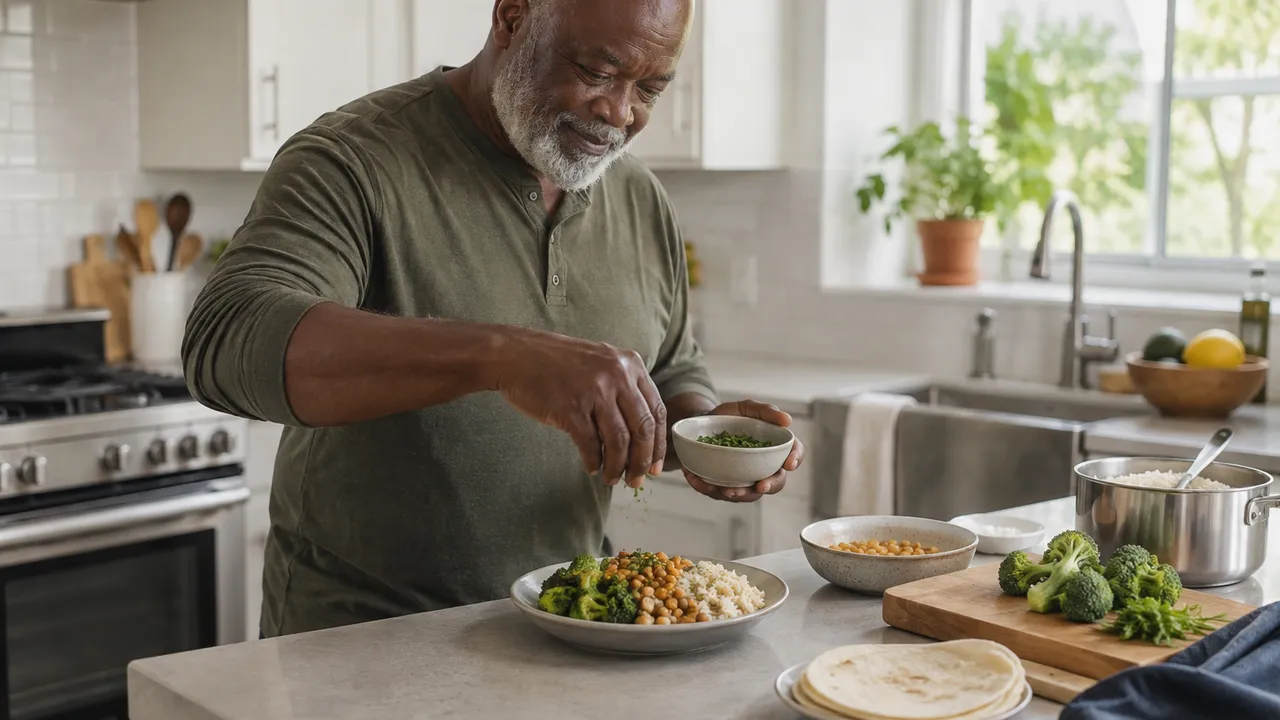
Meal planning for one often borrows the wrong playbook: cook a large recipe on Sunday, divide it into containers and repeat until Friday. That can save effort, but it also turns dinner into an obligation. A better approach starts with a small collection of ingredients that can become different meals, rather than one finished dish that needs finishing. This also lets you adjust dinner to your hunger without committing to several portions in advance.
The aim is five dinner options, not five appointments you cannot move. Buy only the fresh ingredients those meals require, cook mostly single servings and reserve one night for shelf-stable food. If plans change, the pantry dinner waits without leaving another bag of vegetables to wilt.
1. Plan ingredient jobs before choosing recipes
Start with your actual week. Count evenings at home, consider your appetite and identify nights when cooking needs to be especially quick. Then choose a few ingredients that work across different formats: a bowl, tacos, a crisp tortilla and an egg skillet can share groceries without tasting like the same dinner.
Every highly perishable purchase should have a destination. Broccoli can appear twice; spinach can serve three meals. Rice, tortillas and canned foods provide flexibility because they do not all need immediate attention. Repeating an ingredient is useful; repeating an entire plate is optional.
Write quantities beside those jobs: two tortillas for tacos, two for tostadas and two beside the skillet. This catches shortages before shopping and prevents buying an unnecessary second package.
- Assign delicate produce to specific dinners before adding it to the cart.
- Change texture and seasoning, not necessarily the whole ingredient list.
- Keep sauces simple: oil, lemon and pantry spices can replace specialty bottles.
- Leave the shelf-stable dinner movable until you know how the week unfolds.
2. Use this five-dinner framework
This sample uses one can of chickpeas across two dinners, a small broccoli crown across two and a small bag of spinach across three. Cook rice only when needed. The meals are starting points, so increase portions to suit your appetite rather than treating the list as a dietary prescription.
Monday and Wednesday use roughly half the chickpeas each. Tuesday and Thursday split the eggs, while spinach gets used through Thursday. Friday requires no fresh groceries. If an evening disappears, move the pantry meal first and prioritize whichever fresh food needs using soonest.
For Wednesday’s tostadas, mash chickpeas with lemon juice, oil and a splash of water. Crisp tortillas separately, then spread and top just before eating to preserve their crunch.
| Night | Dinner | Ingredients to use |
|---|---|---|
| Monday | Roasted broccoli-chickpea rice bowl | Half the broccoli and chickpeas; lemon |
| Tuesday | Spinach and scrambled-egg tacos | Three eggs; spinach; two tortillas |
| Wednesday | Lemony mashed-chickpea tostadas | Remaining chickpeas; spinach; two crisped tortillas |
| Thursday | Broccoli-spinach egg skillet | Remaining vegetables; three eggs; two tortillas |
| Friday | Tomato-tuna rice | Dry rice; canned tuna; tomato sauce |
3. Shop for amounts, not package promises
Check the refrigerator, freezer and pantry before shopping. The list below assumes oil, salt, pepper and a seasoning such as cumin or smoked paprika are already available. Compare package sizes as well as unit prices: a cheaper oversized bag is not a bargain if much of it spoils.
Buy loose broccoli when possible, and skip the large spinach tub. If only a larger tortilla package is available, freeze the unused portion promptly. Those extra tortillas become a useful reserve rather than another fresh-food deadline. Choose corn or flour according to preference.
Frozen broccoli is another option when fresh crowns are oversized. Measure out two dinner portions, reseal the bag and cook from frozen according to package directions.
- Produce: One small broccoli crown, about 5 ounces of spinach and one lemon.
- Refrigerated: One half-dozen carton of eggs, divided between two dinners.
- Grains: Six tortillas and about two-thirds to 1 cup of dry rice for two meals.
- Canned goods: One standard can of chickpeas, one small can of tuna and one 8-ounce can of tomato sauce.
4. Cook smaller, and store deliberately
For recipes serving four, divide ingredients by four, but do not divide cooking time the same way. An egg still needs to cook through, and vegetables still need to become tender. Use a small skillet or saucepan so a single portion does not scorch across an oversized cooking surface.
Refrigerate Monday’s unused chickpeas in a covered container for Wednesday. Keep raw produce separate from cooked food, and follow package directions. USDA guidance generally allows three to four refrigerated days for cooked leftovers; refrigerating food does not give it an unlimited life.
If Friday’s dinner needs only part of the tomato sauce, freeze the remainder promptly in a small labeled container. Note the amount so it is easy to reuse.
- Keep the refrigerator at 40°F or below; check with an appliance thermometer.
- Refrigerate perishables within two hours, or one hour when temperatures exceed 90°F.
- Cool cooked rice promptly in shallow containers, not on the counter.
- Reheat leftovers to 165°F, checking with a food thermometer.
5. Make the backup dinner genuinely easy
For the pantry meal, cook one serving of rice, then stir in tomato sauce and drained tuna and heat through. Add pepper or pantry spices. Keeping the components separate until dinner avoids making a large pot simply because the ingredients were available. No garnish or fresh vegetable purchase is required.
If Friday becomes takeout night, leave the cans unopened and carry that dinner forward. Before shopping again, inspect what remains and build around it. The plan succeeds when dinner stays manageable and groceries get eaten—not when every scheduled meal happens on its originally assigned day.
Choose instant rice if ordinary rice takes longer than your backup-night energy allows. Follow its package measurements; the smaller time commitment matters more than matching Monday’s grain.
Guidance is current as of October 2026; verify food-storage recommendations with USDA or FoodSafety.gov and follow package instructions.
AI Assistance Used — AI assistance was used in researching and drafting this article. It was reviewed, edited, and fact-checked by Leah Fornier before publication.