Museums Are Exhausting Because Most People Visit Them Wrong
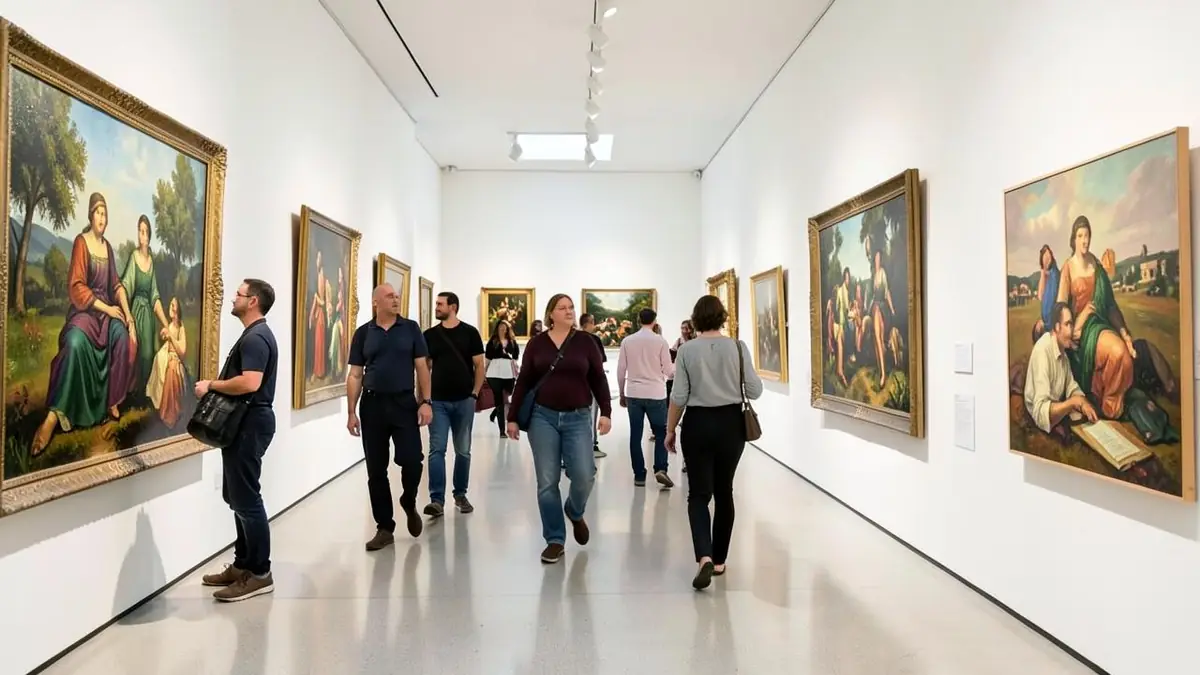
Large museums are built on the assumption that no visitor sees everything. Their collections are measured in tens or hundreds of thousands of objects, and the galleries on display are already a heavy edit of what is held.
Visitors, meanwhile, frequently arrive intending to cover the whole building in a day, and leave with sore feet and no clear memory of anything. The fix is to accept the museum's own premise and choose.
Pick two things before you arrive
Choose a specific wing, period, or handful of works, and treat everything else as optional. A focused ninety minutes produces more lasting impressions than four hours of skimming.
Most museums publish floor plans and highlight lists online. Ten minutes with those beforehand removes the disoriented wandering that consumes the first part of many visits.
Museum fatigue is a documented effect
The decline in attention and interest over the course of a visit has been studied for a century and is often called museum fatigue. It sets in faster than people expect and is partly physical.
Sitting down periodically, taking a proper break, and leaving before you are exhausted all extend the useful part of a visit. Benches in galleries exist for a reason and are underused.
Read fewer labels, more carefully
Reading every label converts a gallery into a wall of text and pushes attention away from the objects. Choosing a few works to look at properly, then reading about those, is more rewarding.
Spending two or three minutes with a single work — noticing composition, materials, scale, condition — is unusual behaviour in a gallery and almost always changes what people take away.
Use the free expertise
Gallery talks, short introductory tours, and floor staff are frequently included in admission and are consistently among the most valuable parts of a visit for casual visitors.
Many institutions also offer free audio guides or apps. These vary in quality, but a good one provides context that labels have no room for.
Time your visit
Weekday mornings shortly after opening and the final two hours before closing are usually the quietest periods, particularly outside school holidays. Crowding affects the experience more than most other variables.
Special exhibitions with timed entry often have quieter slots published in the booking system, and midweek late openings are frequently the least busy time of all.
Cost and access
Many national museums have free permanent collections with charges only for temporary exhibitions, and many others run free or reduced-price evenings and community days.
Membership can pay for itself quickly for local repeat visitors, particularly where it removes queuing for special exhibitions. Check accessibility information in advance, since provision varies considerably between buildings.
Opening hours, admission prices, and access arrangements change frequently. Check the museum's official website before travelling.
AI Assistance Used — AI assistance was used in researching and drafting this article. It was reviewed, edited, and fact-checked by Leah Fornier before publication.