Your Lease Is Ending: Buy It, Return It, or Explore a Trade?
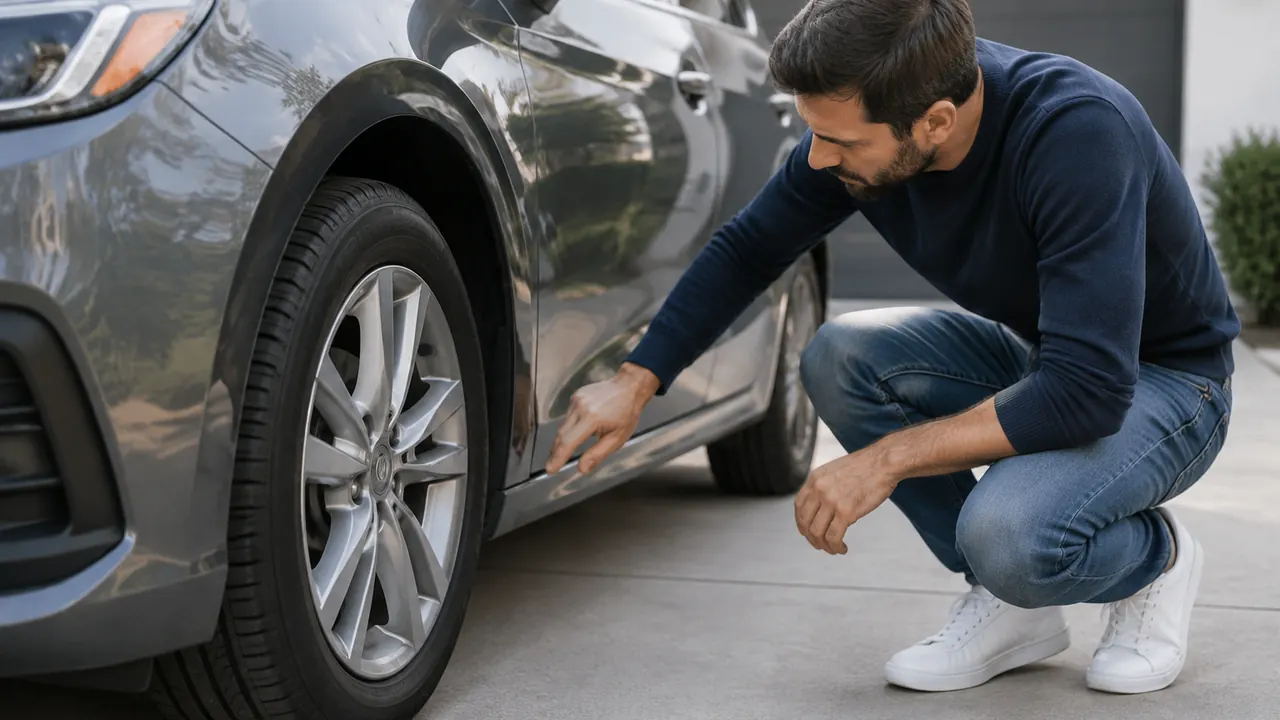
The end of a car lease creates three possible paths: buy the vehicle, return it or explore a dealer transaction that uses any available equity toward your next ride. The right choice is not necessarily the one with the lowest advertised monthly payment. It depends on what your contract permits, what the car is worth and what each path costs after taxes, fees and financing.
For leases ending in 2026, start roughly three months before your scheduled return, or sooner if you need time to arrange replacement transportation. Your contract sets the baseline, but current lender policies, state tax rules and actual purchase offers determine what you can do. Treat a dealer’s proposal as an offer to evaluate, not proof that your remaining obligations have disappeared.
90 days out: Collect the contract and map your deadlines
Find your lease agreement, latest statement and any lease-end packet. Confirm the maturity date, remaining payments, permitted mileage and excess-mileage rate. Identify the purchase-option provision and any purchase-option or disposition fee. The disposition fee generally covers the lessor’s handling of a returned vehicle; it is different from charges for excess wear, mileage or unpaid amounts.
Contact the leasing company, not just the dealership, to confirm the process. Ask when to schedule an inspection, where an authorized return can occur and whether an appointment is required. A dealer selling the same brand is not necessarily an approved drop-off location. If your replacement vehicle may arrive late, ask about an extension before maturity. Extensions are not automatic, and payment, mileage and purchase terms can differ.
Put the deadlines on your calendar and keep written confirmations. Returning the car early does not necessarily eliminate remaining payments; an early termination can involve a different calculation. Likewise, an inspection does not itself complete the return.
- Record maturity, inspection and payoff-quote expiration dates separately.
- Confirm who must receive notice if you plan to buy.
- Ask whether automatic payments need adjustment after final settlement.
- Check extension terms, including added mileage and insurance requirements.
60 to 90 days out: Get the real purchase price
Your contract’s residual value is the starting point for a scheduled lease-end purchase, not necessarily the check you will write. Request a dated, itemized lessee purchase quote from the lessor. Depending on timing and contract terms, it may include remaining payments, a purchase-option fee or other amounts. Ask whether taxes, title and registration are included or must be paid separately.
Do not assume your personal buyout quote is available to a dealer. The lessor may provide a different dealer payoff, restrict eligible buyers or prohibit third-party buyouts altogether. Clarify whether you can purchase directly or must use a dealer or another designated processor. If someone adds a processing charge, request its basis and ask the lessor whether it is required.
Compare the quote with your agreement, flag unexplained differences and note its expiration date. A quote obtained well before maturity can differ from the final purchase amount because payments and timing change. Ask specifically whether buying eliminates return-related mileage and wear assessments, and which existing charges remain payable.
- Request separate figures for vehicle price, purchase-option fee and taxes.
- Identify title, registration and any dealer or processing charges.
- Get the payment method, delivery instructions and purchase deadline.
- Ask how long title release or ownership transfer usually takes.
45 to 60 days out: Test market value with real offers
Online estimates are useful starting points, but actual offers are better evidence of what your car can bring. Obtain several written purchase or trade offers using the correct trim, options, mileage and condition. Disclose accident history and known damage. Ask whether each offer is firm, subject to inspection or contingent on buying another vehicle.
Use the transaction you can actually complete. If an eligible dealer offers $25,000 and its verified payoff is $23,000, the apparent spread is $2,000 before other transaction costs. But if that dealer cannot buy from your lessor, the spread is not immediately available equity. Purchasing first could add taxes, fees, financing costs and delays that erase it.
Retail listings are not purchase offers. Dealers generally need room for reconditioning, overhead and resale risk, so a similar car’s advertised price does not establish your trade value. When judging whether to keep the car, compare the all-in buyout with the cost of a genuinely comparable replacement, including its taxes and fees. Your knowledge of the leased car’s maintenance history also has practical value.
| Choice | Core comparison | Main complication |
|---|---|---|
| Buy and keep | All-in buyout versus comparable replacement | Financing, taxes and future repairs |
| Return | Remaining obligations plus estimated return charges | Wear, mileage and disposition fee |
| Eligible dealer purchase | Written offer minus dealer payoff and costs | Lessor’s buyer restrictions |
| Buy, then sell | Resale proceeds minus full acquisition and selling costs | Tax treatment, title timing and market changes |
30 to 60 days out: Inspect before paying for repairs
Schedule the lessor’s authorized inspection early enough to evaluate any findings, following its required window. Read the wear standards first. They may distinguish ordinary use from chargeable damage and specify requirements for tires, glass, body panels, keys and equipment. A pre-return inspection may not capture every final charge, particularly if mileage or condition changes afterward.
Do not authorize cosmetic work simply because a salesperson suggests it. Compare the anticipated assessment with a repair estimate, and ask whether repairs must meet particular standards or be documented. Check any excess-wear protection you purchased for exclusions, limits and claim requirements. It may not cover excess mileage, missing items or every type of damage.
A buyout usually avoids return-based wear and mileage charges, but it does not make worn tires or mechanical problems disappear. If you plan to keep the vehicle, consider an independent mechanical inspection and budget for upcoming service, especially as warranty coverage ends.
- Save the inspection report and ask how to dispute errors.
- Price tire replacement against the lessor’s tread and matching requirements.
- Locate every required key, charging cable and removable accessory.
- Photograph repairs and keep receipts, then confirm any reinspection requirement.
30 days out: Add taxes and financing to the buyout
A lease buyout is a purchase, and taxes can materially change the calculation. The taxable amount, applicable credits and collection process depend on state and local rules. Do not assume taxes paid during the lease satisfy taxes on the buyout. Ask the lessor and your state motor vehicle or revenue agency what applies to your transaction.
Trade-in tax treatment also varies. A direct dealer purchase of a leased car is not automatically treated like trading a vehicle you already own. Buying first and reselling can create tax and title costs, even when the transactions happen close together. Do not budget for a credit, exemption or refund without confirming eligibility and documentation requirements.
If you need a loan, seek buyout financing quotes before visiting a dealer. Compare annual percentage rate, term, amount financed, fees and total interest, not payment alone. A longer loan lowers the payment but can keep you paying as repair needs increase. Confirm whether the lender finances purchase taxes and fees and whether it requires a completed ownership transfer. Cash avoids loan interest, but draining emergency savings to buy a depreciating vehicle can create a different financial problem.
Two to four weeks out: Separate the trade from the next deal
A dealer may call the transaction a trade, lease upgrade or pull-ahead offer. Whatever the label, require separate numbers for the leased vehicle, its payoff and the replacement vehicle. Your lessor controls whether a dealer or other third party can purchase the car. Confirm current eligibility directly; another customer’s experience or an older online post may not reflect your account’s rules.
If the offer exceeds the applicable payoff and transaction costs, ask how the equity will reach you: a check, purchase credit or another documented method. If the payoff is higher, identify the shortfall. Rolling it into another loan or lease does not erase it; it increases what you must repay and may add financing costs.
Treat promises to waive payments or fees carefully. A manufacturer or lessor program may genuinely cover an obligation, while a dealer may simply incorporate it into the next deal. Ask who pays, which charges qualify and what conditions apply.
- Obtain the eligible buyer’s payoff, not just your personal quote.
- Negotiate the replacement vehicle independently of the lease settlement.
- Request written treatment of equity, shortfalls and remaining payments.
- Verify any loyalty waiver with the lessor before relying on it.
Final week and afterward: Close the loop
For a return, remove personal belongings, toll tags and stored personal data. Follow the vehicle’s instructions for clearing paired phones, navigation history and connected accounts without disabling anything required for handoff. Photograph the exterior, interior, wheels and odometer at the return location. Get a dated receipt showing mileage and acceptance by an authorized party, and notify the lessor as instructed.
For a purchase or dealer buyout, track payment delivery and confirm the lessor received the correct amount before the quote expires. Keep insurance in place until the relevant ownership or return obligations are satisfied, and coordinate replacement coverage if you are buying. Follow your state’s rules for plates, registration and title rather than assuming the dealer handles everything.
Review the final statement even after a clean handoff. Compare mileage, wear charges, payments and waivers with your records. Dispute errors promptly through the lessor’s process and retain correspondence. The best lease-end decision is the lowest sensible total cost for your transportation needs, not merely the deal that makes the next monthly payment look attractive.
Lease terms, buyout policies, taxes and prices vary; verify current written requirements with your lessor and state agencies, and consult a qualified tax professional when needed.
AI Assistance Used — AI assistance was used in researching and drafting this article. It was reviewed, edited, and fact-checked by Leah Fornier before publication.