Hydration Myths: How Much Water You Actually Need
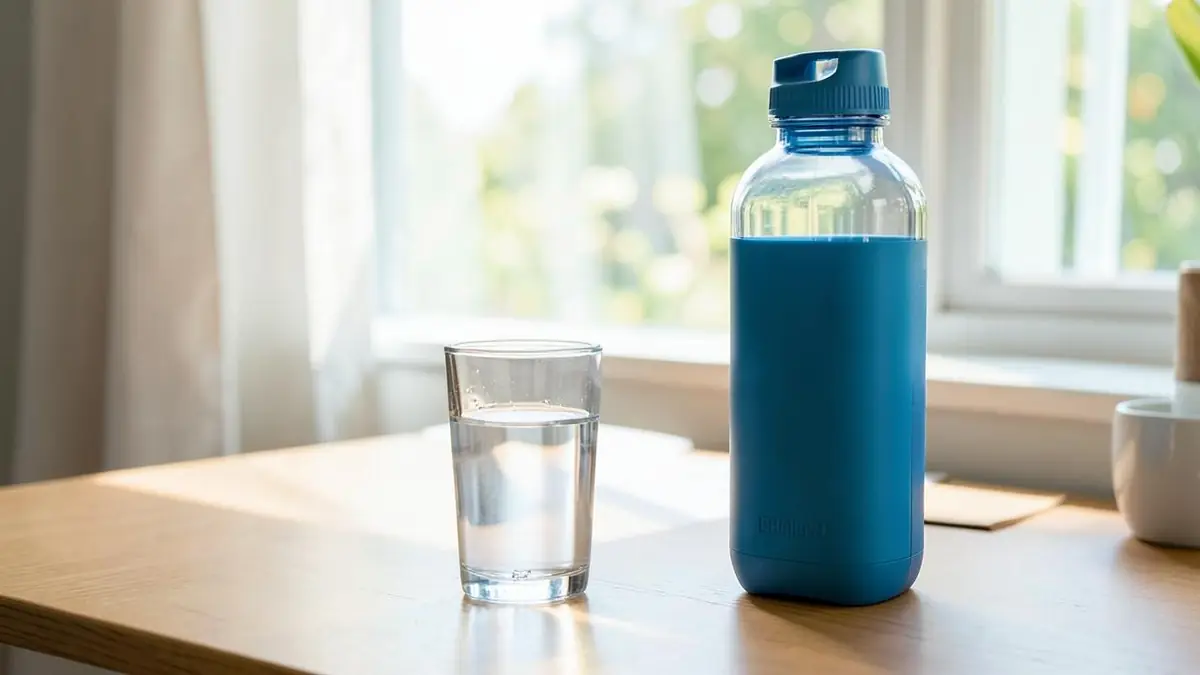
Few pieces of health advice are repeated more confidently than the instruction to drink eight glasses of water a day. It appears on bottles, in workplace wellness material, and in conversation, usually with the certainty of settled science.
It is not settled science. Fluid needs vary substantially with body size, activity, climate, diet, and health conditions, and a single universal target was never a good way to express them. That does not mean hydration is unimportant, only that the popular rule is a poor tool.
Where the number came from
The eight-glasses figure has no clear single source. It is often traced to mid-twentieth-century guidance suggesting a total daily water intake for adults, in a passage that also noted much of it comes from food.
The second half of that sentence dropped out of the retelling, and a total intake figure became a drinking target. That is roughly how a reasonable estimate turned into an obligation.
Food counts, and so does everything else you drink
Fruit, vegetables, soups, yoghurt, and many cooked dishes carry substantial water. For people who eat a varied diet, food contributes a meaningful share of daily fluid.
Tea, coffee, milk, and juice all count toward intake. The idea that caffeinated drinks dehydrate you is overstated at ordinary consumption levels; the diuretic effect is modest and does not offset the fluid the drink contains.
Thirst is a better guide than a schedule
For most healthy adults, thirst is an effective signal, and drinking to thirst maintains hydration without any counting. The mechanism is sensitive and acts well before any meaningful deficit develops.
Urine colour is a rough secondary check: pale straw generally suggests adequate hydration, while consistently dark urine suggests drinking more. Supplements, particularly B vitamins, can change the colour and confuse the signal.
When thirst is less reliable
The thirst response tends to blunt with age, so older adults may need to drink on a routine rather than waiting for the sensation. Some illnesses and medications also affect fluid balance.
Prolonged exercise, hot environments, fever, vomiting, and diarrhoea all raise requirements, sometimes sharply. In those situations replacing electrolytes as well as water becomes relevant, particularly over long durations.
Drinking too much is a real, if uncommon, risk
Consuming very large volumes of plain water in a short period can dilute blood sodium, a condition called hyponatraemia, which can be serious. Reported cases cluster around endurance events and water-drinking challenges.
The practical implication is not to be afraid of water, but to be sceptical of advice to force large quantities on a schedule regardless of thirst, especially during long endurance activity.
A sensible default
Keep water accessible, drink with meals, drink when thirsty, and drink more in heat or during exercise. That covers the overwhelming majority of healthy adults without any arithmetic.
People with kidney disease, heart failure, or conditions affecting fluid balance may be given specific instructions that differ from general guidance, and those instructions take precedence.
This article is general information and not medical advice. Individual fluid needs vary; follow guidance from your own clinician.
AI Assistance Used — AI assistance was used in researching and drafting this article. It was reviewed, edited, and fact-checked by Leah Fornier before publication.