Buying an Air Conditioner in 2026: What to Ask About Refrigerants
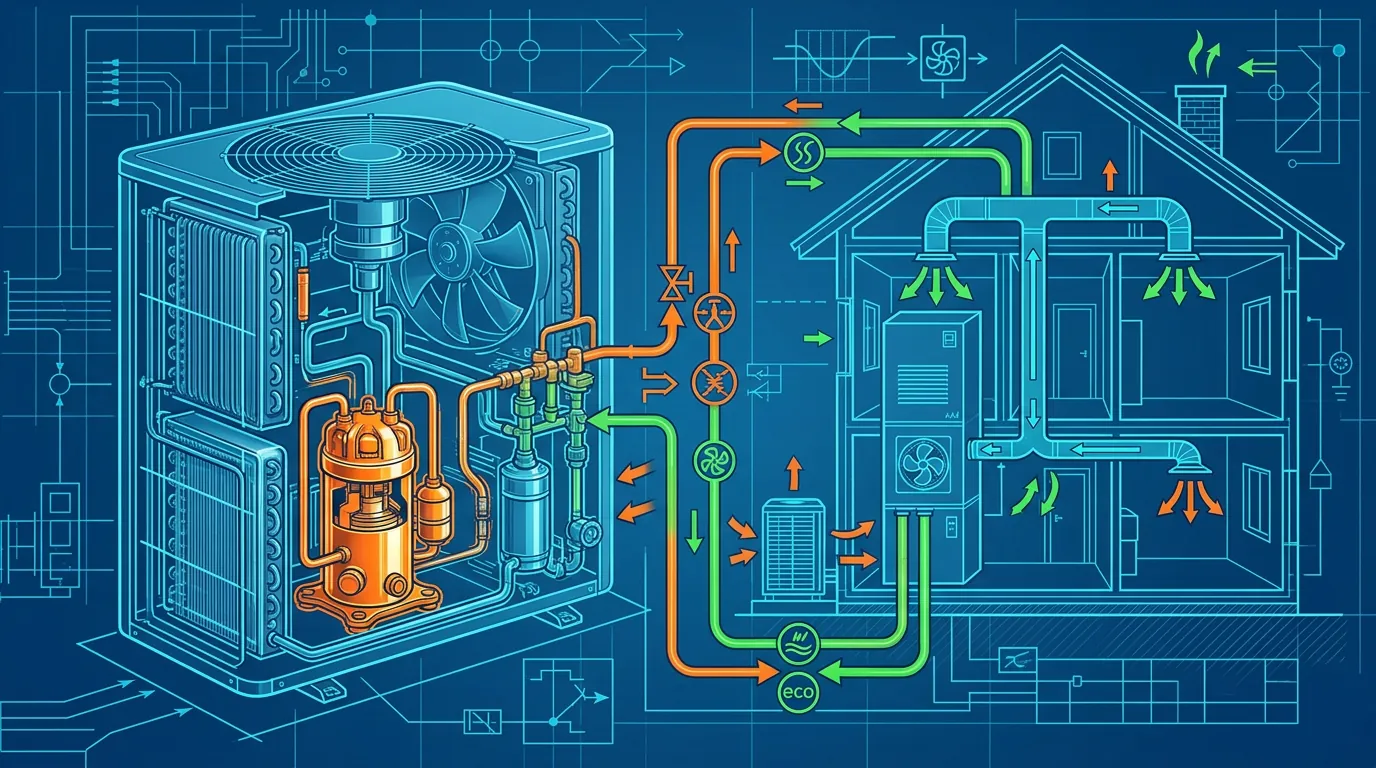
If you are buying an air conditioner in 2026, the refrigerant deserves a place beside price, efficiency and warranty on your checklist. Refrigerant is the fluid that moves heat out of your home. Changing federal rules are steering new equipment toward options with less climate impact, while installation instructions and local codes determine how that equipment must be installed. Those changes can affect which system you buy, which components must be replaced and how technicians service it later.
They do not automatically make your existing air conditioner illegal or require you to replace a working system. The important distinction is between restrictions on new equipment and the rules for maintaining equipment already in service. For a purchase around June 1, 2026, get the refrigerant designation, equipment model numbers and installation requirements in writing. Treat claims about deadlines or leftover inventory as something to verify, not a reason to sign immediately.
1. Understand what is changing—and what is not
The federal transition comes from the American Innovation and Manufacturing Act and Environmental Protection Agency regulations. One part reduces the supply of hydrofluorocarbons, or HFCs, through production and import controls. Another restricts higher-global-warming-potential refrigerants in specified categories of new products and systems. These are related policies, but neither means that every existing air conditioner must be removed on a particular date.
For common residential and light-commercial air-conditioning and heat-pump categories, the EPA transition established a global warming potential limit of 700, with major manufacturing and import restrictions beginning in 2025. R-410A, long common in home systems, is above that limit. R-32 and R-454B are below it and are appearing in replacement equipment. The rule details depend on the equipment category; a window unit, a split central system and a variable-refrigerant-flow installation should not be treated as interchangeable.
Manufacturing, importing, selling and installing are different activities under these rules. A unit's manufacturing date alone does not settle whether it can legally be installed now. Ask the seller to identify the applicable EPA category and current installation deadline, including any inventory exception. Do not assume a statement about continued parts sales also authorizes a complete new system.
2. Learn the refrigerant names, not just the sales labels
Ask for the actual refrigerant designation on the equipment nameplate. Labels such as “next generation” or “environmentally friendly” do not tell you what a technician will need to handle. R-32 and R-454B are both classified as A2L refrigerants: lower toxicity under the classification system, with lower flammability than the more readily flammable refrigerant classes. That does not mean nonflammable or harmless.
R-410A is classified as A1, meaning lower toxicity and no flame propagation under the specified test conditions. These classifications help determine equipment design, charge limits and installation procedures. They are not a reason to reject properly listed A2L equipment, but they are a reason to require qualified installation. A refrigerant's climate rating also does not establish the system's operating efficiency; compare the rated performance of the complete equipment combination.
None of these refrigerants should be treated as interchangeable. A contractor should not propose adding R-32 or R-454B to your existing R-410A system as a simple conversion. Refrigerant choice is tied to the system's engineering, listing, controls and approved components.
| Refrigerant | Where buyers may encounter it | Main shopping question |
|---|---|---|
| R-22 | Older existing equipment | Is repair sensible given refrigerant and parts availability? |
| R-410A | Existing systems, replacement components and some inventory | Is this a repair or a legally permitted new installation? |
| R-32 | Certain newer air conditioners and heat pumps | What does this model require for A2L installation? |
| R-454B | Certain newer air conditioners and heat pumps | What approved components and safety controls are required? |
3. Make the installer explain the whole installation
An A2L installation is not simply an older installation with a different cylinder of refrigerant. The required approach depends on the product, refrigerant charge, occupied space and applicable code. Some systems use refrigerant detection and mitigation controls that can activate airflow or other protective functions. The contractor must follow the manufacturer's instructions rather than assume every home needs the same accessories.
Have bidders inspect the indoor equipment location, refrigerant piping route and electrical service before promising a final price. Ask how they will evaluate room-size or charge-related restrictions and whether the proposed installation needs additional controls or changes to an enclosure. Safety devices supplied or required for the system should not be disconnected to avoid nuisance problems.
A reusable line set can save disruption, but suitability requires more than confirming that copper tubing is present. Its size, condition, pressure suitability and the manufacturer's cleaning or replacement instructions matter. Require an explanation of what can stay and what cannot.
- Identify the applicable installation instructions and any required detection or mitigation equipment.
- Explain whether the existing line set is approved for reuse and how it will be evaluated.
- Include permits, inspections, electrical changes and control wiring in the written scope.
- Confirm technicians have appropriate A2L training, tools and refrigerant recovery equipment.
4. Compare complete systems, not bargain outdoor units
An inexpensive outdoor condenser may become an expensive project if the indoor coil, metering device or controls are incompatible. Ask for model numbers for every major component and documentation of the approved combination. For a split system, request the applicable Air-Conditioning, Heating, and Refrigeration Institute certification reference when available. A vague promise that components “should work together” is not enough.
Do not assume a refrigerant change always requires replacing the furnace. In some homes, the furnace can remain while the cooling coil and other components change, provided the combination and installation are approved. In others, airflow, controls, age or physical fit may make broader replacement sensible. Ask the contractor to distinguish mandatory work from recommended upgrades.
Request a load calculation rather than automatically buying the same capacity as the old unit. Insulation, windows and duct conditions may have changed. Oversizing can undermine humidity control and comfort. Compare SEER2 efficiency, sound ratings, warranty terms and total installed cost separately from refrigerant choice. Also ask whether quoted incentives require particular efficiency ratings, installation dates or participating contractors; do not count a rebate until eligibility is confirmed.
| Quote item | What a useful bid identifies |
|---|---|
| Equipment | Outdoor unit, indoor coil or air handler, controls and refrigerant |
| Compatibility | Approved equipment match and furnace compatibility, if retained |
| Installation | Piping, safety controls, electrical work, permits and commissioning |
| Service coverage | Parts, labor, refrigerant and diagnostic-fee exclusions |
5. Keep repair options separate from replacement pressure
An existing R-410A system can generally continue operating and be serviced; the new-equipment transition is not a blanket prohibition on repairs. The HFC phasedown reduces supply over time, but it does not establish a guaranteed future retail price or an immediate disappearance date for service refrigerant. Be skeptical of anyone claiming all R-410A repairs are already forbidden.
R-22 presents a different supply picture. U.S. production and import of new R-22 for servicing ended in 2020, while recovered and reclaimed supplies can support existing equipment. That does not guarantee a cheap repair. With either refrigerant, the equipment's condition, leak location, parts availability and repair warranty matter more than an unsupported prediction about next year's refrigerant price.
A sealed cooling system does not normally consume refrigerant. A low charge calls for diagnosis, not a routine annual refill presented as maintenance. Ask whether the proposed repair addresses the leak and what happens if refrigerant is lost again. Major component replacement also deserves scrutiny: selling a service component is not the same as authorizing assembly of an otherwise restricted new system.
- Request separate prices for diagnosis, leak repair, refrigerant and replacement components.
- Ask whether the component is intended and permitted for servicing your existing system.
- Compare repair cost with equipment age, recent failures and expected remaining usefulness.
- Get a second opinion when a deadline claim is the main argument for immediate replacement.
6. Ask what future service will actually cost and cover
No contractor can reliably guarantee refrigerant prices for the next decade. Local supply, labor, cylinder costs, recovery requirements and the amount needed all affect a bill. A newer refrigerant does not automatically mean cheaper service, and an older one does not automatically make a modest repair uneconomical. Ask how the company prices refrigerant and whether it stocks the refrigerant used in your proposed system.
Read the warranty exclusions before choosing between bids. A parts warranty may not cover diagnostic visits, labor, refrigerant, shipping or leak searches. Ask whether required registration changes coverage and who completes it. Also find out whether another qualified company can obtain parts and service the system if the original installer closes. Keep the invoice, model and serial numbers, startup measurements and permit records together; those documents can make later troubleshooting and warranty claims less contentious.
7. Verify the rules that apply to your address
Federal transition schedules and exceptions can be revised, and local code adoption varies. This guide is not confirmation that a particular inventory unit may legally be installed on June 1, 2026. Before publication or purchase, the relevant deadlines need checking against the EPA's current Technology Transitions restrictions, applicable final rules and subsequent amendments—not just an old distributor bulletin.
For your project, ask the local building or mechanical department which code edition and amendments apply, whether the proposed equipment is accepted and what permits are required. State refrigerant restrictions may also matter. Federal refrigerant compliance does not replace local installation approval, and local approval does not waive federal restrictions. The best bid makes both responsibilities clear and identifies who will resolve any compliance question before equipment is ordered.
Confirm current federal requirements, state and local codes, equipment instructions, prices and warranty terms with the relevant authorities and a qualified HVAC professional before committing.
AI Assistance Used — AI assistance was used in researching and drafting this article. It was reviewed, edited, and fact-checked by Jordan Singh before publication.