A Gift Card Buying Checklist, from Rack Inspection to Receipt
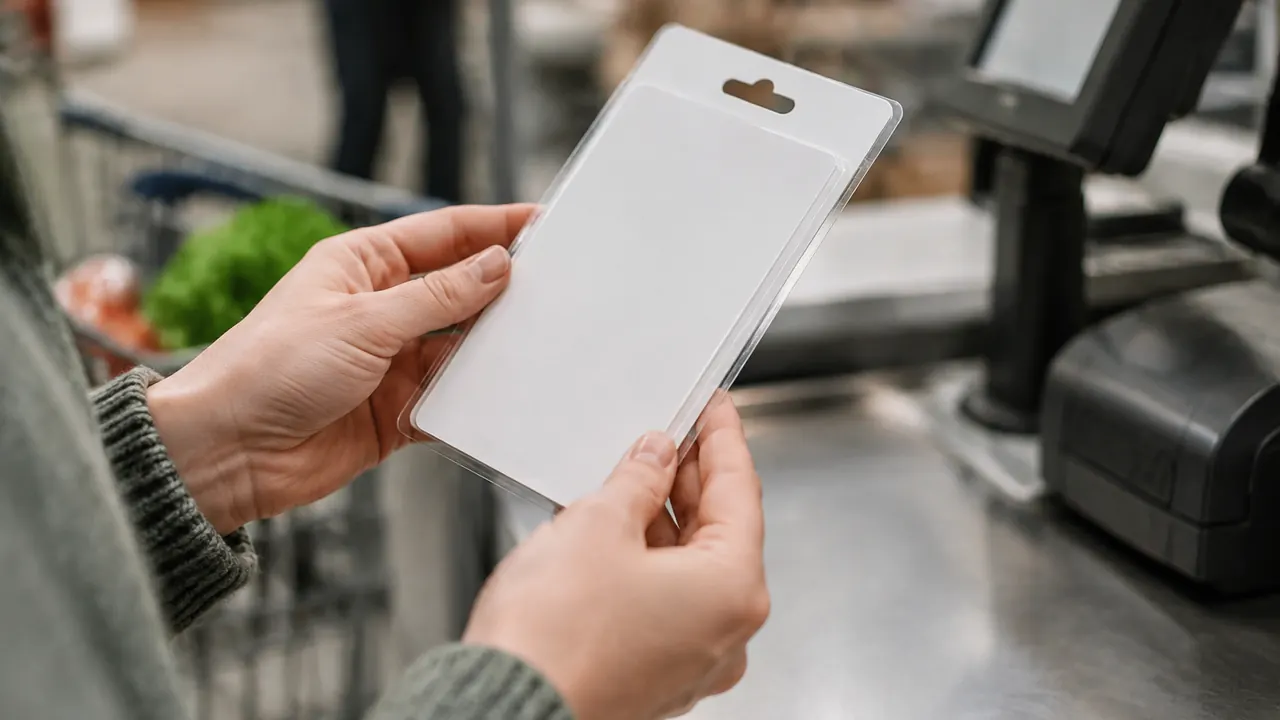
Before you buy a gift card, give its packaging the same attention you would give a broken seal on a food container. Criminals can capture card numbers and PINs before purchase, then monitor for activation and spend the money after you load it. A card hanging on a familiar store’s rack is not automatically safe.
For shoppers in 2026, the checklist extends beyond the display: choose the seller carefully, inspect the card without exposing its security details, confirm activation and preserve the paperwork. First, know whether you are buying a retailer gift card or a general-use prepaid product. That distinction affects where it works, what it costs and which terms need a closer look.
1. Identify the card before comparing the price
A retailer gift card generally works only with a named merchant or a related group of businesses. A general-use gift card carries a payment-network logo and may work at many unrelated merchants, subject to its terms. Neither should be confused with a reloadable prepaid account intended for ongoing spending, which can have a different fee structure and registration requirements.
Read the package’s fee disclosures before paying. A purchase fee on a general-use gift card usually comes on top of the loaded value, so a $50 gift can cost more than $50. Retailer cards commonly have no separate purchase fee, but verify rather than assume. For gift cards covered by federal rules, funds generally must remain available for at least five years; state law may offer stronger protections.
| Product | Typical use | What to verify |
|---|---|---|
| Retailer gift card | One retailer or affiliated brands | Eligible stores, online use and fees |
| General-use gift card | Multiple merchants on a payment network | Purchase fee and transaction restrictions |
| Reloadable prepaid card | Repeated deposits and everyday spending | Monthly, reload, ATM and other fees |
| Promotional reward card | A rebate or promotional benefit | Expiration and potentially different protections |
2. Choose a seller you can verify
Buying directly from a retailer’s official website, app or staffed counter reduces some risks associated with exposed racks and unknown resellers. It does not eliminate fraud. For online purchases, navigate to the retailer yourself rather than following an unsolicited message, sponsored search result or discount link. Check the exact domain and whether an outside fulfillment company is identified by the retailer.
A card kept behind the counter has had less public exposure than one on an unattended display, although secure storage is not proof of safety. If you use a resale marketplace, understand who promises the balance, how long its protection lasts and whether you must report a problem immediately. A bargain is not worthwhile if your recipient discovers the loss after the claim window closes.
- Prefer established sellers with clear contact information and written dispute policies.
- Treat unusually steep discounts, urgent payment demands and person-to-person listings cautiously.
- For digital gifts, verify the recipient’s email address before checkout.
- Use a payment method with a transaction record; a credit card dispute may help, but reimbursement is not guaranteed.
3. Inspect the rack, wrapper and card
Check the package before taking it to the register. Look along every sealed edge for lifted adhesive, uneven glue, tears or signs that cardboard has been separated and pressed back together. Compare it with other packages of the same product, recognizing that legitimate packaging can vary. If something looks wrong, leave it intact and ask an employee for a card from secure stock.
Fraud can involve exposed PINs, substituted cards or barcode stickers that redirect a purchase to another card. A convincing wrapper can hide these changes. Do not open sealed packaging or scratch off a security covering yourself before purchase. Ask staff to follow their inspection procedure, and skip the purchase if the concern cannot be resolved.
- Check scratch-off areas for missing coating, scratches or replacement-looking labels.
- Look for stickers layered over barcodes, crooked labels or printing that differs from matching stock.
- Watch for a card sitting loosely, a damaged holder or an unexplained mismatch between visible identifiers.
- Avoid assuming the card at the back of the rack is safer.
- Point out suspicious stock to staff without photographing or sharing exposed card credentials.
4. Make activation part of checkout
Watch the checkout process and confirm both the requested load amount and any separate fee before paying. Ask for the sales receipt and any separate activation slip. Depending on the seller, activation details may be printed on the main receipt instead. Look for a successful activation message, the amount, the date and a partial card identifier when provided.
A payment receipt showing that you spent money is useful, but it is not always proof that the intended card activated successfully. Compare whatever identifying digits appear with the card or package, without expecting every system to print the same fields. If the register reports an error, ask staff to resolve it before you leave. Do not authorize another charge until you understand whether the first payment went through.
If the seller says activation takes time, ask for the stated processing window and the official support contact. Record any transaction or case number. Staff should not need you to send the card’s PIN to a personal phone or email address to fix an activation problem.
5. Preserve the receipt and verify the balance safely
Keep the package, sales receipt and activation record until the recipient has successfully used the funds. Photograph the receipts because thermal paper can fade, but store the images privately. A gift receipt may not contain the transaction details needed for a fraud investigation. Give the recipient access to useful purchase information without posting the card number, barcode or PIN in a shared album.
Check the balance promptly through the issuer’s verified website or phone service. Avoid searching for a balance-check page and clicking the first result: imitation sites can collect card credentials. If the package itself looks altered, find the issuer’s official contact independently. Some issuers require a security code for a legitimate balance inquiry; enter it only after verifying the channel.
Follow any activation waiting period the issuer specifies. If you can check before leaving the store, a discrepancy may be easier to address immediately. Save the confirmation or note the balance and time. That establishes what you observed, but it does not guarantee the money cannot be stolen later.
6. Act quickly if a new card shows no balance
A zero balance can mean failed activation, a processing delay, an incorrect balance inquiry or theft. A declined purchase alone does not prove the balance is gone: payment holds, address checks or merchant restrictions can also cause trouble. Contact the official issuer promptly, and notify the selling store as well. The seller may need to investigate activation while the issuer examines transactions.
If you paid by credit card, ask your card issuer whether a billing dispute is available and what deadline applies. Describe exactly what happened; do not label your authorized purchase unauthorized. Recovery is not automatic. Report suspected fraud to ReportFraud.ftc.gov, and consider your state attorney general or consumer protection office if the companies do not resolve the complaint.
- Request the activation status and available transaction history, including dates and amounts.
- Report any transactions you did not authorize and ask whether remaining funds can be frozen.
- Provide purchase and activation records through the company’s approved channel; retain copies.
- Ask about replacement or reimbursement, required documents and reporting deadlines.
- Get a case number and keep a dated log of contacts and responses.
7. Check the rules before handing over the gift
Read the terms for inactivity charges, expiration and replacement. For covered gift cards, federal rules generally prohibit dormancy, inactivity or service fees until there has been at least one year without activity, require disclosures and limit those fees to one per calendar month. That is not a blanket ban on purchase fees, nor does it mean every prepaid product has identical protections.
A printed card expiration date may differ from the expiration of the underlying funds. Ask the issuer how to obtain a replacement if the plastic expires while protected funds remain. State laws can provide additional rights, including cash redemption of small balances in some circumstances.
Tell the recipient where the card works, where to check its balance and whom to contact about trouble. Encourage prompt use without implying that legitimate funds disappear immediately. Finally, never buy a gift card because someone claiming to be a government agency, utility or tech-support worker demands payment that way. Requests to relay the number and PIN are a strong scam warning.
Check current issuer terms, fees and applicable state protections before buying, because product rules and consumer remedies vary.
AI Assistance Used — AI assistance was used in researching and drafting this article. It was reviewed, edited, and fact-checked by Lisa Barber before publication.