Is a New Garage Door Worth It Before Selling Your House?
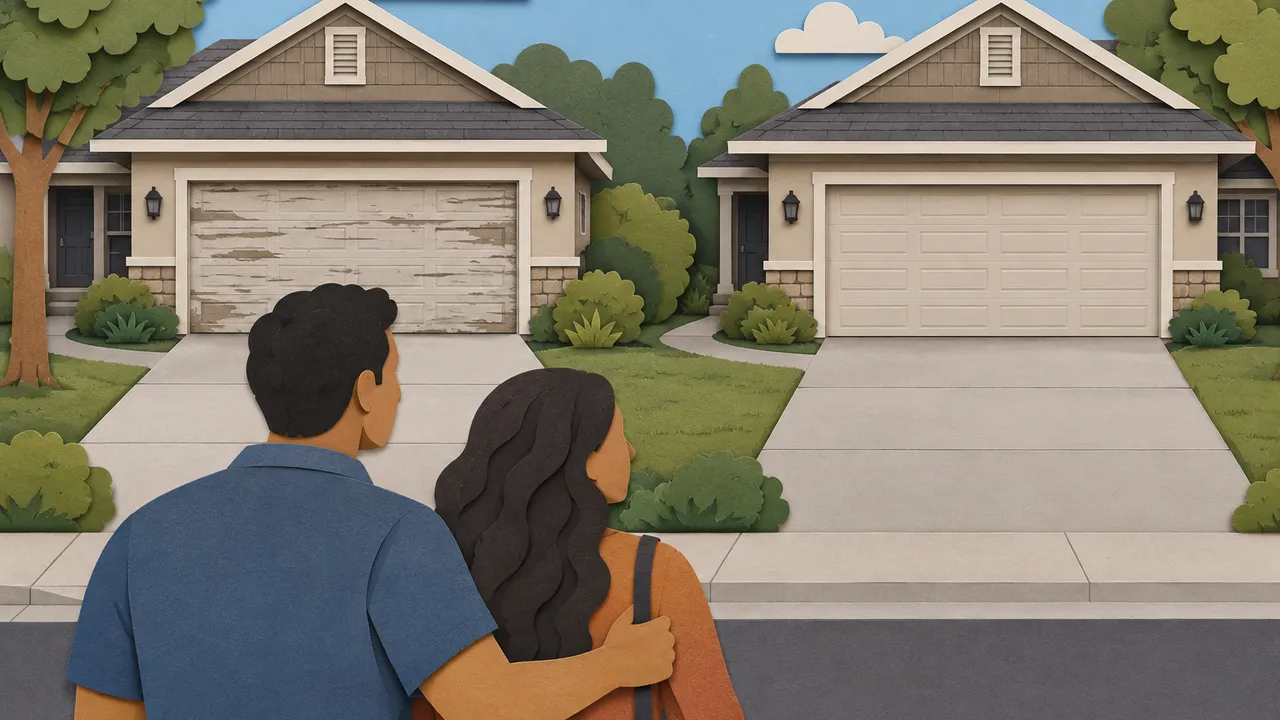
A garage door can dominate the front of a house, so replacing a battered one may improve buyers’ first impressions before they reach the sidewalk. But a new door is not automatically a profitable presale project. The right choice depends on what is wrong with the existing door, what nearby buyers expect, and whether the work fits your listing schedule. A modest improvement may solve the problem without delaying photography.
As of October 2026, national remodeling cost-recovery estimates remain a starting point, not a promise about your sale price. Your decision should compare three realistic options: leave a safe, presentable door alone; repair or refresh it; or replace it with something appropriate for the house. Start with condition, then test the economics locally.
1. Separate cosmetic flaws from functional problems
Have a qualified garage-door technician inspect a door that sticks, sags, shakes, or will not close reliably. A noisy opener or worn rollers may need a targeted repair, not an entirely new door. Conversely, widespread rot, serious corrosion, or distorted sections can make patching a poor use of money.
Check the bottom seal and surrounding drainage together. Replacing weatherstripping will not resolve water pooling against the opening because the driveway slopes toward it.
Ask for separate written prices for restoring safe operation and improving appearance. Springs, cables, and other high-tension components are not casual DIY jobs. If a technician identifies a safety problem, address it promptly rather than disguising it for photos. These checks help define the scope:
- Confirm that the door opens, closes, and seals consistently.
- Have the opener’s photo-eye sensors and reversal function checked.
- Look for damaged panels, deteriorated trim, and water intrusion.
- Ask whether matching replacement sections are still available.
2. Price the complete job, not just the door
For preliminary budgeting, a straightforward installed replacement might run roughly $1,500–$5,000; custom sizes, premium materials, or structural work can push it higher. Smaller repairs may cost a few hundred dollars, while substantial repairs can exceed $1,000. These are planning ranges, not verified October 2026 local quotes. Get at least two itemized bids.
Compare equivalent scopes: door, tracks, hardware, labor, removal, taxes, and any opener or electrical work. Check whether permits are required with your city or county building department. A door-only price is not a turnkey price, and a repair quote is useful only if it addresses the underlying problem.
Ask bidders to identify allowances for concealed damage, such as rotten jambs, and specify how additional work will be priced and approved before proceeding.
| Condition | Likely starting point | Verify |
|---|---|---|
| Sound door, tired finish | Clean or refinish | Material-compatible coating |
| Isolated panel damage | Repair if feasible | Matching parts and total labor |
| Repeated failures or widespread deterioration | Consider replacement | Written diagnosis and warranty |
| Working door, upscale replacement proposed | Test local demand | Comparable-home evidence |
3. Read the neighborhood, then examine sold comparables
The best replacement usually looks like it belongs, rather than announcing how much it cost. Match the home’s architecture and the block’s general standard. An understated steel door may be enough where neighboring houses have basic doors; elaborate wood-look finishes or extensive glazing may add expense without changing buyers’ offers.
Photograph the house from the likely listing-photo angle. A prominent street-facing double door deserves more cosmetic attention than one mostly hidden behind the house.
Ask your listing agent to review recent closed sales, not just asking prices, for similar homes in the same competitive area. Photos can show garage-door condition, but sale-price differences also reflect location, interiors, lot size, concessions, and timing. Use comparables to answer practical questions:
- Do competing homes generally have clean, matching, functional garage doors?
- Would yours stand out negatively in listing photos or showings?
- Is a premium door common here, or an unusual upgrade?
4. Treat national returns as context, not a forecast
Reports such as Zonda’s Cost vs. Value can help identify projects that real estate professionals regard favorably. Their cost-recovery percentages compare estimated project costs with estimated resale value under a defined methodology. They do not establish that your house will sell for a specific amount more, and a published return above 100% is not a guaranteed profit.
Review the report’s year, regional coverage, project specifications, and methodology before applying it. Then compare replacement with the cheaper repair option: the extra spending needs its own justification. Ask your agent for a conservative price-impact range and the evidence behind it. If the likely benefit is mainly easier marketing or fewer repair negotiations, treat that as valuable but uncertain—not cash already earned. Also weigh whether the same money would better address a roof leak, electrical defect, or other issue likely to derail a sale.
For example, a $3,000 replacement versus a $600 repair means justifying $2,400 in additional spending—not merely showing that buyers prefer the new door.
5. Make the decision around your listing plan
Replace when the door is beyond economical repair, materially undermines the home’s presentation, or falls clearly below nearby expectations—and the installed quote fits the selling plan. Repair when safety and appearance can be restored affordably. Leave it alone when it already works well and looks appropriate; newer is not necessarily more saleable.
If a custom door misses your deadline, ask about stocked models meeting the same size and performance requirements before accepting a delay or downgrading specifications.
Before authorizing work, confirm lead times, installation dates, and the consequences of delays. Avoid postponing a well-timed listing for an optional upgrade without a compelling local reason. Keep invoices and warranty documents for buyers, including any transfer requirements. Finish with these checks so the project does not create another last-minute problem:
- Get homeowners association approval, if required, before ordering a different design.
- Verify applicable wind-load requirements through the local building department.
- Confirm permits, disposal, trim repairs, and final adjustments in writing.
- Reserve time for installation problems before photography and buyer visits.
Verify requirements with local authorities and prices with qualified contractors; this is general guidance, not personalized financial advice.
AI Assistance Used — AI assistance was used in researching and drafting this article. It was reviewed, edited, and fact-checked by Nadia Clarkson before publication.