Gap Insurance: When You May Need It and What It Can Exclude
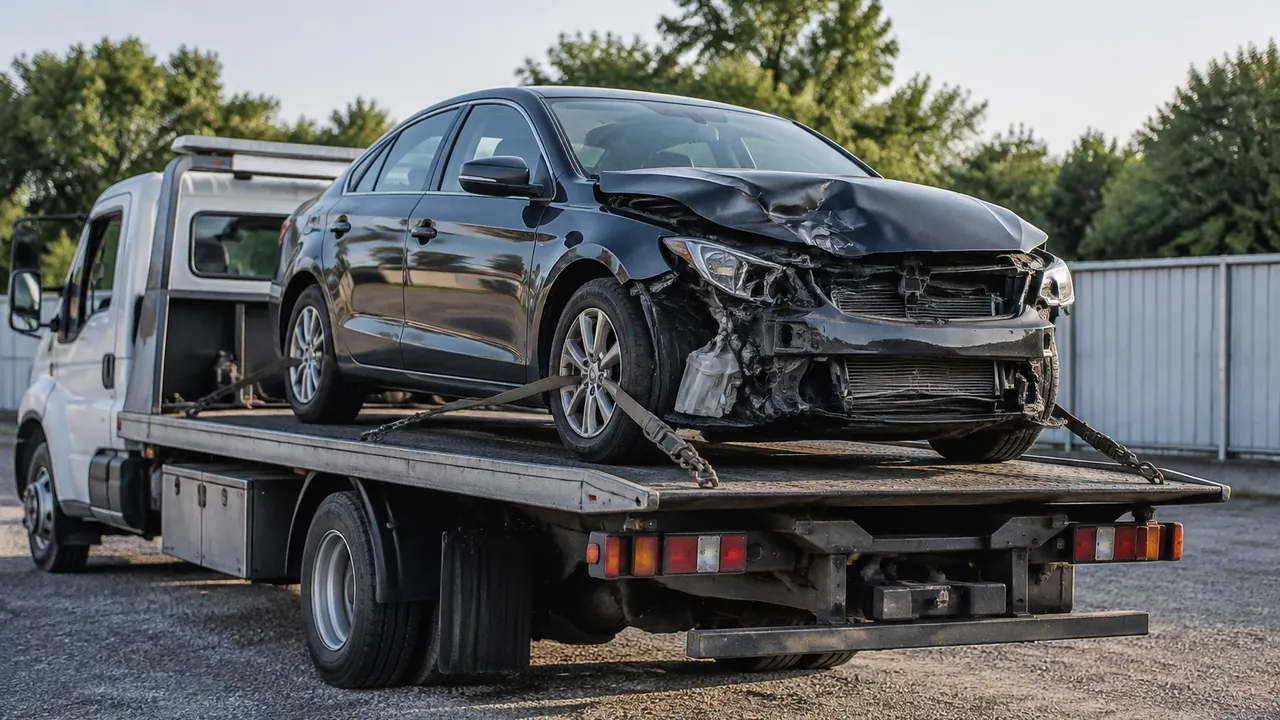
Losing a car to a wreck or theft does not automatically erase its financing. Your auto insurer generally bases a covered total-loss settlement on the vehicle’s actual cash value, not the amount you still owe. If the loan or lease payoff is higher, you could be responsible for the difference while also needing money for another vehicle. Gap protection is designed to address an eligible shortfall, but it is not a promise to clear every dollar on your account.
For shoppers in 2026, the practical question is not simply whether gap is available. It is whether your particular contract leaves a financial risk worth covering, whether protection is already included, and how much a new product would actually pay. Compare written terms rather than a monthly-payment pitch. Insurance policies and debt-waiver agreements can serve similar purposes, but their limits, exclusions and cancellation rules may differ.
1. Understand the settlement-versus-payoff gap
Actual cash value, or ACV, generally reflects what your vehicle was worth immediately before the covered loss, considering factors such as age, mileage, condition and comparable vehicles. It is not necessarily the price of a brand-new replacement. Applicable taxes and fees may affect the settlement under state rules and policy terms. The lender’s payoff is a separate figure: the amount needed to satisfy the financing on a specified date, potentially including interest and other amounts.
Suppose the insurer values your totaled vehicle at $25,000, your deductible is $1,000, and the loan payoff is $29,000. The insurer’s payment would be $24,000 before any other applicable adjustments. That leaves a $5,000 cash shortfall, but a gap product excluding the deductible might cover only the $4,000 difference between ACV and the eligible payoff. Caps or excluded charges could reduce that payment further. Request the insurer’s valuation report and a dated payoff statement, then reconcile each line. If the vehicle’s trim, mileage or options are wrong, challenge the valuation with documentation. Gap protection should not substitute for a correct primary settlement.
| Illustrative item | Amount | What it means |
|---|---|---|
| Vehicle ACV | $25,000 | Value before the covered loss |
| Collision deductible | $1,000 | Reduces the primary insurance payment |
| Primary payment | $24,000 | ACV minus deductible in this example |
| Loan payoff | $29,000 | Amount owed to satisfy financing |
| Potential eligible gap | $4,000 | Before other limits; deductible excluded here |
2. Decide whether your financing creates meaningful risk
Gap is most relevant when you owe more than the vehicle is worth and cannot comfortably absorb that difference. A small down payment, a long repayment term or negative equity carried from a previous vehicle can create that situation. Depreciation and market changes also matter. Neither buying new nor financing for a particular number of months automatically makes gap necessary; the relationship between your balance and the vehicle’s value is what counts.
Start with today’s payoff and a realistic value range using several sources, not just the highest retail listing you can find. Listings are asking prices, not guaranteed claim settlements. Recheck periodically as the balance falls. A cash purchase or substantial positive equity generally removes the loan-shortfall reason for gap. If your cushion is thin, consider how quickly you can rebuild savings and whether you could keep making payments after losing the car.
- Compare the payoff with a conservative estimated value, allowing for uncertainty.
- Identify rolled-in debt, financed fees and add-ons that may keep the balance high.
- Check whether your emergency fund could cover a shortfall without jeopardizing essential bills.
- Review eligibility now; some products restrict enrollment by vehicle age, mileage or purchase timing.
3. Compare the product, not just the label
The word gap can describe different arrangements. An insurer may offer an endorsement to your auto policy. A dealer, lender or other provider may offer a guaranteed asset protection waiver under which the creditor agrees to waive qualifying debt. Legal treatment and consumer protections vary by state and product. Ask who is contractually responsible, who administers claims, and whether complaints go to an insurance regulator or another authority. Do not assume the dealership itself pays claims.
Ask your current insurer and lender for written options before accepting a finance-office offer. An insurer’s loan/lease payoff endorsement may have a percentage cap rather than covering the full eligible difference. A waiver may use different limits and eligibility rules. Compare the full price over the period you expect to need protection. If a one-time charge is financed, it increases your balance and generally accrues interest under the loan. An insurance endorsement may instead be billed with premiums, but rates can change at renewal. Neither pricing method proves that the protection is better. Save the actual form, not merely a brochure or online summary.
| Arrangement | How it generally works | What to verify |
|---|---|---|
| Auto-policy gap endorsement | Pays an eligible financing shortfall after a covered loss | Limits, deductible treatment and required underlying coverage |
| Loan/lease payoff endorsement | Pays an additional amount toward eligible debt | Any percentage-of-value cap and excluded balances |
| Creditor gap waiver | Waives qualifying debt under a separate agreement | Maximum benefit, administrator and exclusions |
| Lease-included protection | Provides a waiver or coverage through the lease arrangement | Automatic inclusion, conditions and remaining obligations |
4. Read caps and exclusions before calculating protection
A product advertised as covering the difference may define that difference narrowly. Look for a maximum dollar benefit, a cap tied to ACV, and a maximum loan-to-value ratio at enrollment or loss. These are distinct restrictions. For example, an endorsement capped at 25% of a $20,000 ACV would have a $5,000 ceiling even if the eligible shortfall were larger. That percentage is only an illustration, not a universal limit.
Next, identify what counts as eligible debt and what conditions must be satisfied. Some products exclude amounts attributable to earlier loans or refundable add-ons; others handle them differently. A primary insurer’s denial can also leave gap unavailable, especially when a covered comprehensive or collision total loss is required. Ask the provider to apply its terms to your own balance breakdown. A verbal assurance that everything is covered is not enough.
- Deductibles may be excluded, covered only up to a limit, or treated differently by state.
- Overdue payments, late fees, penalties and some interest charges may remain your responsibility.
- Rolled-in negative equity, service contracts and other financed extras may be limited or excluded.
- Commercial use, delivery work, rideshare activity or vehicle modifications may affect eligibility.
- Repairable damage, mechanical breakdown, repossession and ordinary trade-in losses generally do not trigger gap benefits.
5. Check whether your lease already includes equivalent protection
Many leases include a gap waiver or another arrangement addressing an eligible total-loss deficiency, but you should not assume yours does. Read the total-loss, insurance, early-termination and gap provisions together. Protection might appear as an agreement by the lessor to waive a deficiency rather than as a separately priced insurance policy. Conversely, the phrase insurance required usually refers to coverage you must maintain, not a promise that the lessor will forgive the balance.
Ask the leasing company, using contact information on your contract or statement, to identify the controlling clause and confirm what you would still owe after a covered theft or total loss. Keep the response with your lease. Included protection can make another purchase duplicative, but only if it addresses the same exposure. Do not confuse total-loss protection with lease-end excess-wear coverage or protection against ordinary early-termination charges. Those address different problems.
- Is deficiency protection automatic, optional or absent from this specific lease?
- Must comprehensive and collision coverage remain continuously in force with specified deductible limits?
- Are the deductible, past-due payments or other charges excluded from the waiver?
- What notice, claim paperwork and deadlines are required to preserve the benefit?
6. Know what happens when you file a claim
After a serious crash or theft, notify your auto insurer and financing company promptly, then contact the gap provider or administrator. Do not assume one organization will open every necessary claim. Ask for the submission deadline and a written document checklist. Common requests include the primary settlement, valuation report, financing agreement, payment history and payoff information. Theft claims may require a police report. Keep copies and record when you submit them.
Continue making required payments unless the lender or lessor gives you a written alternative. A total loss does not itself pause the contract, and missed payments can cause fees or credit damage while claims are pending. Ask how payments made after the loss will be reconciled. Request a line-by-line explanation of the gap calculation, including refunds or credits for canceled add-ons and amounts left unpaid. If a claim is denied, request the specific contract provision and appeal instructions. Your state insurance department can help with insurance questions; for a waiver dispute, ask which state agency oversees the provider. Resolve disagreements through documented channels rather than simply stopping payments.
7. Reassess coverage and cancellation as the balance falls
Gap is not necessarily a keep-it-forever purchase. Review the need after substantial principal payments, refinancing or changes in vehicle value. When your conservative value estimate comfortably exceeds the payoff, the protection may offer little remaining benefit. Leave room for valuation uncertainty rather than canceling because one online estimate barely clears the balance. Refinancing can end or change an existing agreement’s protection, so confirm its status before assuming coverage carries over.
Before buying, ask how cancellation works, whether a refund is available, how it is calculated and where it goes. State law and contract terms matter. A refund on a financed product may be credited to the loan rather than sent to you, and you may need to request cancellation separately after a sale or payoff. Obtain written confirmation and check the account for the credit. The best decision is a documented one: estimate your exposure, identify existing protection, compare eligible benefits and exclusions, and weigh the total cost against the risk you can bear. Gap can be useful, but its value depends on the debt it actually covers, not its name.
Terms and availability vary by state and provider; verify current contracts, prices and cancellation rules before buying or canceling protection.
AI Assistance Used — AI assistance was used in researching and drafting this article. It was reviewed, edited, and fact-checked by Jordan Singh before publication.