Best By, Sell By and Use By: When Should You Actually Toss Food?
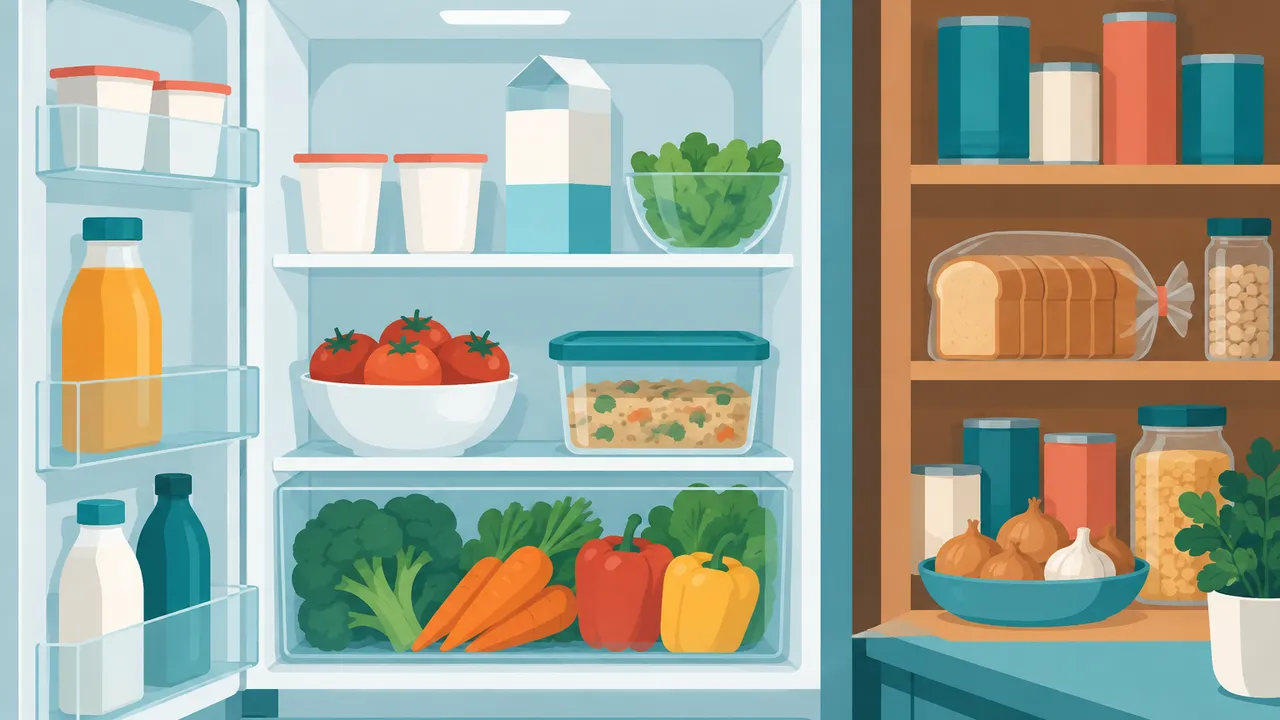
A date on a yogurt cup or loaf of bread can look like a deadline. Usually, it is not. Most U.S. food-date labels describe quality or help stores manage inventory; they do not mark the moment food becomes unsafe. But ignoring dates without considering storage is not a safe strategy either. Separating quality advice from safety limits can reduce unnecessary waste without encouraging risky shortcuts in the kitchen.
The better questions are whether food stayed cold enough, how long it has been open and whether it has a specific safety rule. An unopened package, an opened carton and yesterday’s leftovers need different decisions, even when their printed dates look reassuring.
1. Read the label, not a safety guarantee
As of October 2026, federal law generally does not require food-date labels, except on infant formula. State requirements and product-specific rules can differ. For most foods, manufacturers choose dates to indicate peak quality, not to create a universal safety cutoff.
A date still has practical value: it helps with shopping, rotation and planning. Follow refrigeration and after-opening instructions on the package, and do not assume a distant date overrides a shorter recommended storage window.
A stamped string of letters and numbers may be a production or lot code, not a consumer date. Contact the manufacturer if the code’s meaning is unclear rather than guessing.
- “Best if used by” or “best by”: a recommendation for peak flavor or quality.
- “Sell by”: an inventory guide for retailers, not a consumer discard deadline.
- “Use by”: generally a peak-quality recommendation, but a firm cutoff for infant formula.
- “Freeze by”: a quality recommendation for when to freeze, not a safety deadline.
2. Treat infant formula as the exception
Infant formula is the major exception. Do not buy or use formula after its “use by” date. That date reflects the period during which the manufacturer assures the product’s quality and labeled nutrient content. An unopened container does not get an extension because it was stored carefully or appears normal.
Once formula is opened or prepared, additional clocks apply. Follow the container’s instructions for opened powder and ready-to-feed formula. CDC guidance says to use prepared formula within two hours of preparation and within one hour after feeding begins. If not using it within two hours, refrigerate it immediately and use within 24 hours. Discard formula left in a bottle after feeding; do not save it for later.
Store powdered formula in a cool, dry indoor location, not the refrigerator. Keep its lid tightly closed and its scoop clean and completely dry to avoid introducing moisture or contamination.
3. Start tracking storage time, not just printed dates
Opening changes the equation. An unopened yogurt’s quality date does not promise the same keeping time after its seal is broken. Write opening dates on milk cartons and refrigerated sauces. For product-specific guidance, check USDA’s FoodKeeper resource and the manufacturer’s instructions rather than applying one rule to every dairy product or condiment.
These common refrigerator windows assume continuous storage at 40°F or below. For raw meat, count from purchase or refrigerator thawing, as applicable—not from opening the wrapper. Count leftovers from cooking. Freeze food within its recommended window if you will not eat it; freezing does not rescue food already handled unsafely or erase earlier refrigerator time.
Deli meat illustrates the difference: factory-sealed luncheon meat generally keeps refrigerated for two weeks, but opened packages or meat sliced at the deli typically have a three-to-five-day refrigerator window.
| Food | Typical refrigerator window |
|---|---|
| Cooked leftovers | 3–4 days |
| Raw poultry | 1–2 days |
| Raw ground meat | 1–2 days |
| Raw beef, pork or lamb steaks, chops and roasts | 3–5 days |
4. Let temperature history override the calendar
A package can be within date and still unsafe after sitting in a hot car. Conversely, food continuously frozen at 0°F remains safe indefinitely, although texture and flavor decline. Freezing pauses microbial growth; it does not reliably kill every pathogen. Thaw safely in the refrigerator, not on the counter.
Use appliance thermometers rather than trusting a refrigerator’s dial. Store perishables promptly after shopping and keep raw meat separate from ready-to-eat food. If temperature history is uncertain, especially after an outage, consult FDA or USDA emergency food-safety guidance.
During an outage, keep appliance doors closed. An unopened refrigerator generally keeps food cold for about four hours; a full freezer holds its temperature for approximately 48 hours, or 24 hours if half-full.
- Keep the refrigerator at 40°F or below and the freezer at 0°F.
- Refrigerate perishables within two hours, or one hour when temperatures exceed 90°F.
- Divide large batches of leftovers into shallow containers for quicker cooling.
- Keep milk and other temperature-sensitive foods inside the refrigerator rather than in the door.
5. Use your senses to reject food, not certify it
Sour odors, slime and unexpected mold can identify spoilage, but dangerous bacteria may cause no noticeable change in smell, taste or appearance. Food that smells fine can still be unsafe. Never taste something to test its safety, and do not assume reheating will fix mishandling; some toxins can survive cooking.
For unopened, properly stored pantry foods, a passed quality date alone usually does not require disposal. Inspect the package and check recalls through FDA or USDA. For pregnant people, adults 65 and older, young children and anyone with weakened immunity, follow higher-risk food guidance and be especially cautious about uncertain storage histories.
When checking a recall, match the package size, lot code and date against the notice—not just the brand. Follow its return or disposal instructions even if the food looks normal.
- Discard moldy bread and soft foods such as yogurt; removing the visible patch is insufficient.
- Do not open or taste food from bulging, leaking or badly damaged cans.
- Discard perishables that exceeded safe storage limits, even if their date has not passed.
Verify product-specific storage guidance and recalls with FDA, USDA, CDC and the manufacturer.
AI Assistance Used — AI assistance was used in researching and drafting this article. It was reviewed, edited, and fact-checked by Lisa Barber before publication.