Flea and Tick Products: Why Dog and Cat Treatments Are Not Interchangeable
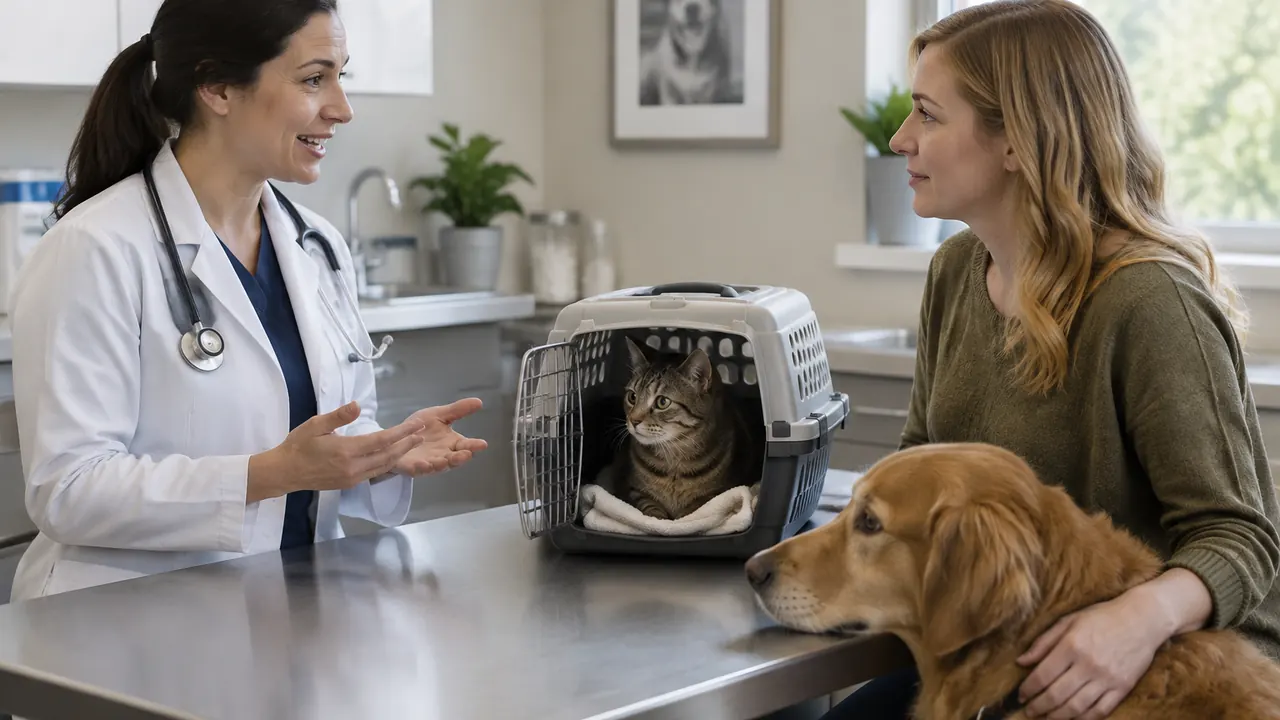
A dog and a cat can share a home, a couch and an unfortunate flea problem. They should not automatically share flea and tick medicine. Products that look similar on a store shelf may contain different ingredients, concentrations or delivery systems. Even packages carrying the same brand name can have different species restrictions. Giving a cat a smaller amount of a dog product is not a safe workaround, and dividing a large dog’s dose among smaller pets can create dangerous dosing errors.
For households choosing prevention in 2026, the safest starting point is still the current label on the exact package, followed by advice tailored to each animal. Species, weight, minimum age, health history and previous treatments all matter. So does contact between pets after a topical application. A product can be appropriate for one animal yet expose another through grooming or close contact. Here is how to build a household plan without guessing.
1. Species restrictions are safety instructions, not marketing
Cats are not simply small dogs. Their ability to process certain chemicals differs, and their grooming habits can turn material on the coat into an oral exposure. Some concentrated permethrin spot-on products labeled for dogs can cause severe, potentially fatal poisoning in cats. Never apply a dog-only permethrin treatment to a cat. Other dog-only products also must stay off cats, even when permethrin is not the ingredient you recognize.
An ingredient name alone cannot tell you whether a product is suitable. Concentration, formulation, dose and the approved species all matter. Some active ingredients appear in both canine and feline products, but that does not make the packages interchangeable. Nor does a familiar brand establish safety across its entire product line. In the United States, flea and tick products fall under FDA or EPA oversight depending on the product; neither framework makes a dog-labeled treatment acceptable for a cat.
Read the species statement before comparing price or convenience. If the package says dogs only, treat that restriction as absolute unless your veterinarian specifically directs a different use. Never make that decision from an online dosing chart. If labeling is missing or unclear, do not apply the product while trying to identify it.
| Label or product detail | What it means at home |
|---|---|
| Dogs only | Do not apply it to a cat. |
| Contains permethrin; labeled for dogs | Keep it off cats and follow contact precautions. |
| Same brand, different species | Check each package; ingredients and doses may differ. |
| Same active ingredient | Not proof that formulations or doses are interchangeable. |
2. Match the package to today’s weight and life stage
Weigh each pet rather than relying on appearance or last year’s estimate. A growing kitten, an aging dog losing weight or a pet near a package cutoff may need a different product size. Use the label’s actual weight interval, including its endpoints. Do not round an animal up into a higher range or assume that a lower dose is safer and effective. Ask the clinic to confirm an appropriate choice when a pet is at a boundary.
Minimum age is a separate requirement from weight: meeting one does not cancel the other. Also check restrictions for breeding, pregnant or nursing animals and any warnings relevant to illness. A package suitable for a healthy adult may not fit a very young, debilitated or medically complex pet. Never split a single-use topical applicator or divide a chew unless the specific labeling and your veterinarian support doing so. Measuring out a fraction does not establish a safe feline or small-dog dose.
- Record a recent weight for each pet, with the date measured.
- Match species, weight range and minimum age before opening anything.
- Keep each dose with its original carton and instructions.
- Recheck the size before every refill for growing or changing pets.
3. Read the entire label, not just the protection claim
Start with what the product actually controls. Fleas, flea eggs, particular tick species and other parasites are not interchangeable claims. A flea-only product does not become tick protection because it is sold beside one. Follow the labeled route of administration, application site and dosing interval. A topical liquid must not be given by mouth. Protection periods differ, and the next dose should follow that product’s schedule rather than a household assumption that everything lasts one month.
Read the warnings and instructions for bathing, swimming, drying and handling. These details vary by formulation; there is no universal waiting period that works for every topical. Inspect the expiration date and packaging, and obtain products from a reliable seller. If an online listing conflicts with the carton or insert, pause and ask the manufacturer or veterinarian to resolve it. For a 2026 purchase, check the current package rather than relying on instructions remembered from an older formulation.
- Confirm the active ingredients, their concentrations and the intended species.
- Check which parasites are covered and how often treatment is required.
- Read application, contact, bathing and disposal directions before use.
- Save the lot number, expiration date and purchase details.
- If directions are missing or unreadable, get verified instructions before treating.
4. Combining treatments can add risk without fixing the problem
A collar, chew, spot-on and flea shampoo may look like separate solutions, but they can expose a pet to overlapping ingredients or effects. Adding a second treatment because fleas are still visible can increase adverse-reaction risk. It can also obscure what caused a problem. Some combinations are used under veterinary guidance, but there is no blanket rule that an oral treatment and a topical are safe together simply because they enter the body differently.
Before adding anything, list every parasite product the pet has received, including combination heartworm preventives, collars, shampoos, sprays and treatments applied by a groomer. Include dates, doses and active ingredients where available. If an application spills, a pet vomits after a chew or you cannot remember whether someone gave the dose, do not automatically repeat it. Ask the veterinarian or manufacturer for product-specific guidance; an uncertain dose is not the same as a missed dose.
Continued flea sightings do not necessarily mean the medicine failed. Developing fleas in the home can keep emerging after treatment starts. Vacuuming, washing pet bedding and consistently treating eligible household pets are important, but environmental products have their own exposure precautions. Do not put a household or yard insecticide directly on an animal unless its label explicitly permits that use.
5. Protect cats from treated dogs, not just the wrong package
A cat can be exposed without anyone deliberately treating it. After a dog receives certain topical products, a cat may lick the application site, rub against it or contact transferred residue. This is especially concerning with dog-only permethrin treatments. Separate animals during application and for the period required by the exact label. Do not let a cat groom a treated dog’s application site. Ask your veterinarian whether the household’s sleeping and grooming habits make another preventive approach more practical.
Do not substitute a generic rule such as overnight separation for product-specific instructions. Some labels require keeping cats away until the treated area is dry; follow all stated contact restrictions. If the directions are unclear, seek clarification before application. Keep applicators, spills and waste away from every pet. Apply products where curious animals cannot interfere, and wash your hands as directed before handling another pet. Drying does not make an incorrectly applied dog product safe on a cat.
- Choose an application time when pets can be separated reliably.
- Prevent access to wet application sites and any contaminated bedding.
- Close and secure storage; cats can puncture or lick discarded applicators.
- Tell pet sitters which animal gets each product and when.
- Ask about alternatives if separating a bonded pair is unrealistic.
6. Ask the veterinarian to review the whole household
Bring photographs of the packages or the actual labels to the appointment. A useful conversation goes beyond asking which brand is best. Explain where pets travel, whether cats go outdoors and whether animals groom one another. Mention previous reactions, chronic conditions, current medicines and any history of seizures or other neurologic problems. These details can change the balance between protection, convenience and potential side effects.
The FDA warns that products in the isoxazoline class have been associated with neurologic adverse reactions, including tremors, loss of coordination and seizures. Seizures have been reported even in animals without a prior history. That warning does not mean every pet should avoid the class; these products are considered safe and effective for most animals. It does mean your veterinarian should help weigh the individual risks and explain what to watch for.
- Does each pet need flea protection, tick protection or additional parasite coverage?
- Is this exact product appropriate for this pet’s health and medications?
- Do any current preventives duplicate ingredients or parasite coverage?
- When can we switch products without an unsafe overlap or protection gap?
- What should I do after vomiting, a spilled dose or accidental contact?
- Which symptoms require emergency care, and whom should I call after hours?
7. Treat a suspected exposure as urgent
If a cat receives a dog-only product, particularly one containing permethrin, contact a veterinarian or animal poison-control service immediately, even if the cat seems normal. Do the same after suspected licking or significant contact with a freshly treated dog when the product poses a feline hazard. Signs of poisoning can include drooling, vomiting, twitching, tremors, poor coordination or seizures. Difficulty breathing, collapse, severe shaking or seizures require emergency veterinary care. Do not wait for several symptoms to appear.
Stop further exposure if you can do so safely, separate the animals and keep the package available. Report the species, weight, product, amount, timing and symptoms. Do not induce vomiting or apply solvents, oils or another pesticide. A professional may recommend prompt washing after certain skin exposures, but seek immediate instructions: bathing a seizing or severely affected animal can be unsafe and must not delay emergency treatment.
After care is underway, ask about reporting the reaction to the manufacturer and the appropriate regulator. Keep the treatment record so the household can revise its plan. The goal is not to abandon parasite prevention, but to make it specific to each pet: one correct product, one verified dose and one clear schedule, with combinations reviewed before they are used.
Product directions and individual risks can change; check current labeling and consult your veterinarian before choosing, combining or switching flea and tick treatments.
AI Assistance Used — AI assistance was used in researching and drafting this article. It was reviewed, edited, and fact-checked by Lisa Barber before publication.