Your First Music Festival: A Practical Packing and Planning Checklist
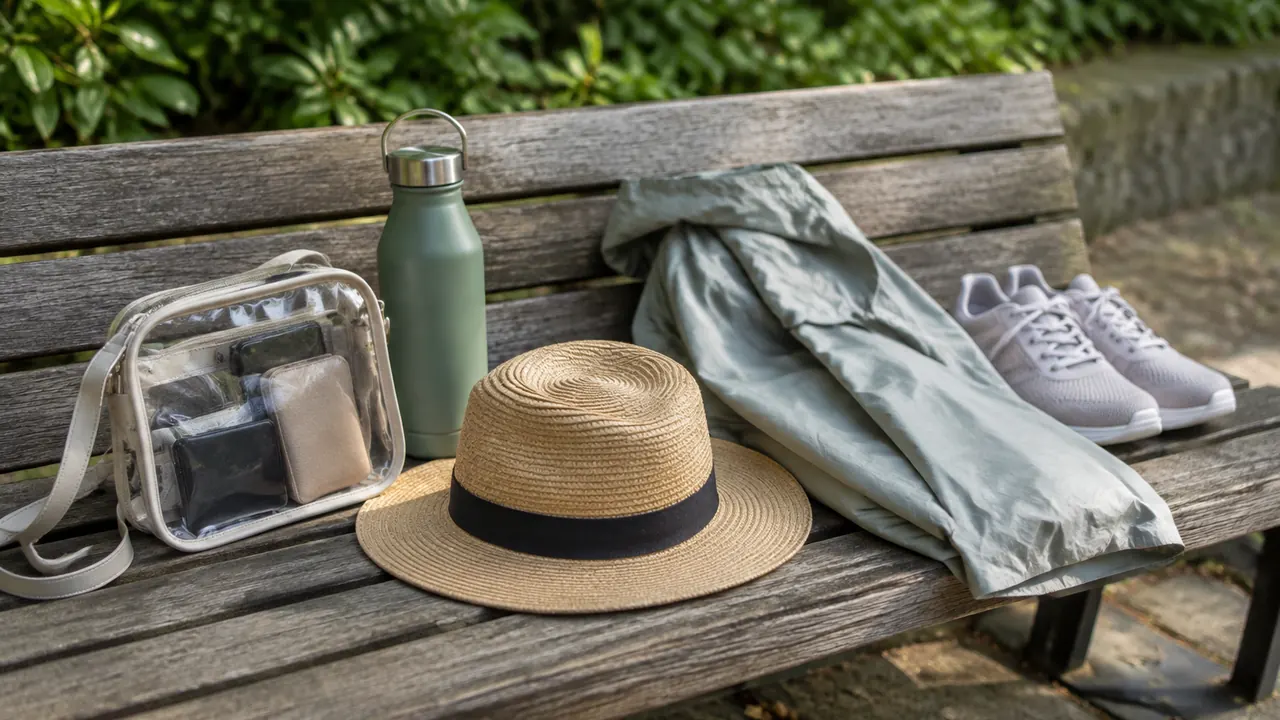
A good first music festival starts before the opening set: with a bag that passes inspection, shoes you can walk in and a realistic way home. The challenge is not packing for every imaginable problem. It is carrying enough to stay comfortable through hours of standing, changing weather and crowded paths without hauling a small campsite between stages.
For the 2026 festival season, make the event’s official website, ticket account and accessibility information your starting points. Rules differ between festivals and sometimes between admission areas at the same event. This checklist is built for a long festival day; overnight camping needs a separate gear plan. Prioritize entry essentials, water, sun protection and communication, then add only what your forecast, health needs and event rules justify.
1. Check the gate rules before choosing your bag
Read the current allowed-items and prohibited-items pages, not just a social post or last year’s packing list. A clear bag is not automatically approved: dimensions, compartments and strap styles may matter. Some events allow small nonclear purses; others impose different limits on hydration packs. Measure your bag when filled, and check whether lockers sit inside or outside the entrance. A locker beyond security cannot solve a prohibited-item problem at the gate.
Treat tickets, identification and medication as a separate entry checklist. Confirm whether your ticket must appear in an app or mobile wallet; a screenshot may not work for a rotating barcode. Download or add tickets using the organizer’s instructions before traveling. Bring the required physical ID if you expect to buy alcohol or use age-restricted areas. Check medication procedures in advance, including packaging, documentation and refrigeration arrangements. Ask about disability-related exceptions rather than assuming a blanket prohibition applies.
- Verify reentry: leaving to retrieve a forgotten item may end your festival day.
- Check policies for sunscreen, aerosols, umbrellas, food, battery packs and bottle materials.
- Pack minimally and keep inspection items accessible; use secure closures for valuables.
2. Plan your water and food access
Find the festival’s drinking-water information before choosing a bottle. Confirm whether refill stations are available, where they sit and which containers are permitted. An empty plastic bottle may qualify when a metal or glass one does not; hydration reservoirs can have separate requirements. Arrive with your container prepared as instructed, often empty, and refill after entry. Do not assume a restroom sink supplies drinking water unless the venue identifies it that way.
Drink regularly and adjust for heat, activity and your own medical needs rather than chasing a universal hourly target. Avoid rapidly forcing large amounts of water. Long periods of sweating may also call for food and electrolyte replacement, but powders or tablets must satisfy entry rules. Alcohol is not a hydration strategy. If you have a condition or take medicine that affects fluid balance or heat tolerance, ask your clinician about a plan before festival day.
- Locate a second refill station in case your nearest one has a long line.
- Eat before arrival and budget for meals; outside snacks may be restricted.
- Learn the medical-tent locations. Confusion, collapse or severe overheating warrants immediate help, not another set.
3. Dress for the whole forecast, not the afternoon photo
Check the forecast when packing and again before departure, including the evening low, humidity, wind and thunderstorm potential. Open fields and paved grounds can feel very different from a shaded neighborhood. Choose breathable clothing, a secure sun hat and sunglasses; apply broad-spectrum, water-resistant SPF 30 or higher sunscreen and reapply according to its label, especially after sweating. Carry an allowed sunscreen format. A small poncho and a light layer usually earn their space more readily than a heavy jacket carried all afternoon.
Rain protection is not lightning protection. Read the organizer’s severe-weather plan and know where staff may direct attendees if performances stop. A tent, stage roof or isolated tree is not a safe substitute for a substantial building or enclosed hard-topped vehicle during lightning. Follow evacuation directions promptly rather than waiting to see whether your favorite artist resumes. On hot days, schedule actual shade and cooling breaks before you feel depleted. If air quality is poor, check local advisories and reconsider strenuous attendance, particularly if you have heart or lung conditions. Weather can make leaving early the sensible choice, even after an expensive ticket purchase.
4. Choose footwear for miles of walking and hours of standing
Wear shoes you have already tested on a long walk, with enough room for your toes and socks that manage moisture comfortably. The right choice depends on the site: pavement rewards cushioning, while uneven grass and mud make traction more important. Supportive, closed-toe shoes also provide some protection in a crowd, though no shoe prevents every injury. New boots, slippery soles and shoes that already rub are poor experiments for a full festival day.
Trim your load before sacrificing comfort. A small blister kit, with dressings you know how to use, takes less space than backup footwear. Deal with a developing hot spot early, somewhere out of pedestrian traffic. If wet conditions are likely, an extra pair of socks can be useful; carrying tall rain boots all day usually is not. Check accessibility services if distance, standing or terrain may be a barrier, including viewing areas, routes and any advance arrangements. Do not assume an accessible viewing area guarantees seating or an unobstructed view at every set.
| Choice | Useful when | Main drawback |
|---|---|---|
| Broken-in walking shoes | Mostly firm paths and pavement | May soak through in rain |
| Grippy trail shoes | Uneven or muddy ground | Some pairs feel warm |
| Broken-in waterproof boots | Sustained wet, cool conditions | Extra weight and less ventilation |
| Open sandals | Limited walking in suitable conditions | Less protection from mud and stepped-on toes |
5. Keep your phone useful without depending on a signal
Charge your phone before leaving and carry an allowed, undamaged power bank with the correct short cable. Check capacity limits and connector compatibility, and test the combination at home. Keep batteries away from intense heat and moisture. Public charging may involve queues, fees or unavailable outlets, so treat it as a backup rather than the plan. Lower screen brightness when practical and use your phone’s power-saving settings before the battery becomes critically low.
Save the site map, daily schedule, transport instructions and emergency contacts for offline access. Festival apps can be useful, but downloads, logins and live updates may fail when networks are congested. Offline information will not show a last-minute stage change or evacuation notice, so also watch official signs and listen to staff. Text messages may sometimes get through when calls or data do not, but no cellular option is guaranteed. Location sharing is convenient when available, not a replacement for a group plan.
- Choose a specific, permanent meeting landmark away from exits and dense crowd flow.
- Set a time and waiting window, plus a fallback meeting point outside.
- Agree what happens afterward: wait, head home independently or contact a designated person.
6. Arrange the trip home before you arrive
Compare the entire journey, not just the trip to the gate. Check the last train or bus, whether special service requires a separate ticket and how far the stop is from your exit. Festival shuttles may need advance reservations. For driving, confirm the correct parking lot, entry route, payment method and whether overnight parking is prohibited. Save the lot name and a nearby landmark before joining the crowd; a dropped map pin alone may be imprecise or inaccessible later.
Rideshare pickup zones can be far from the entrance, with long waits and higher fares after the final set. Identify the official pickup area and a safe backup route, and keep enough money for a changed plan. Do not walk along an unlit highway or accept an unverified ride to escape a queue. If someone is driving, decide who will remain sober and avoid making an exhausted friend the automatic chauffeur. Build in time for the exit, not just the show’s scheduled ending. Anyone who plans to leave early should tell the group beforehand, especially if they hold the car keys. Check road closures again on event morning because access routes can change.
7. Pack the essentials, then remove the dead weight
Do one final carry test with everything packed. Wear the bag and walk around: if it feels annoying at home, it will not improve after several crowded sets. Favor small, useful items over duplicates and just-in-case gadgets. Keep payment options secure and confirm whether vendors are cashless; an accepted physical card can back up a phone payment if your battery dies.
Leave room to move, sit where permitted and reach your water without unpacking. Chairs, blankets, camera equipment and oversized fans may be restricted, and even approved extras become your responsibility all day. Concert earplugs deserve priority over another accessory. Wear them correctly and take quieter breaks; move away from speakers if sound is uncomfortable. You do not need to reach the front or stay until closing to get your money’s worth.
- Core kit: approved bag, ticket access, required ID, accepted payment and essential medication.
- Comfort kit: allowed refillable container, sunscreen, earplugs, hat, light weather layer and blister dressings.
- Phone kit: charged phone, permitted power bank, cable and saved offline information.
- Usually skip: bulky toiletries, multiple outfits, heavy towels and duplicate electronics unless your circumstances genuinely require them.
Check the organizer’s current 2026 rules, accessibility procedures, transport schedules and prices before departure, because policies and arrangements can change.
AI Assistance Used — AI assistance was used in researching and drafting this article. It was reviewed, edited, and fact-checked by Jordan Singh before publication.