Preventing Falls at Home Takes More Than Removing Loose Rugs
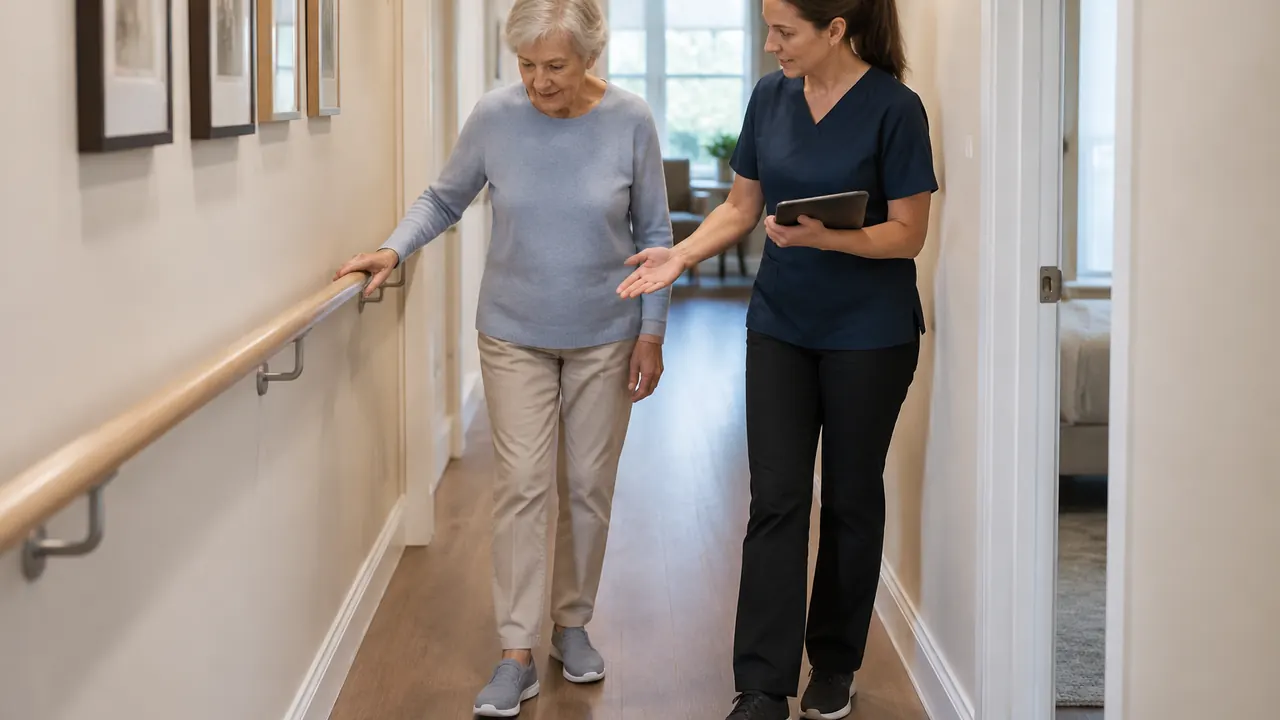
Removing a loose rug can eliminate a tripping hazard, but it cannot correct dizziness when standing, blurry vision or difficulty stepping into a shower. Falls usually reflect a combination of personal and environmental risks. A safer home matters most when it supports the person who lives there: their strength, eyesight, routines, medications and need for assistance. For older adults and caregivers, the goal is not a house stripped of everyday life. It is a home that makes everyday movement easier.
In 2026, motion-sensing lights, wearable alerts and other safety devices offer useful options, but none replaces a practical assessment. Start by walking through the home together, including the route used at night. Ask where someone feels unsteady, grabs furniture or avoids going. Review falls and near-falls without blame. Then address immediate hazards while arranging medical or rehabilitation help for problems that moving furniture cannot solve.
1. Begin at the entrance, hallways and stairs
Check the entire route from the car or sidewalk to the usual chair, bathroom and bedroom. Look for uneven paving, slippery leaves, thresholds and lighting that leaves steps in shadow. Indoors, remove cords and narrow passages, but do not rearrange everything without discussing it. Familiar furniture placement can help someone with limited vision or memory problems navigate safely.
Stairs deserve special attention because the consequences of a misstep can be serious. Sturdy handrails on both sides are preferable when feasible; a contractor can assess installation and local requirements. Make step edges easy to distinguish without adding loose tape or distracting patterns. If a person pulls on a railing to climb, repeatedly catches a foot or cannot carry essentials safely, request an assessment rather than assuming more caution is enough.
- Clear shoes, bags, pet toys and packages from walking routes; provide a convenient storage spot away from the floor.
- Make switches accessible at both ends of stairs and halls. Test motion lights for delays, coverage and glare.
- Repair loose flooring and unstable rails. Secure necessary floor coverings flat; remove rugs that slide, curl or catch a walker.
- Arrange help with ice, snow and wet leaves. Keep one hand available for the rail instead of carrying bulky loads.
2. Make the bathroom safer before the next shower
Bathrooms combine water, smooth surfaces and movements that challenge balance. Watch how the person actually approaches the toilet, turns and enters the shower, with permission and appropriate privacy. A towel bar, soap dish or suction-mounted handle should not be treated as a weight-bearing support. Properly installed grab bars need suitable anchoring and placement matched to the user, not simply the most convenient wall.
A shower chair, transfer bench or toilet aid may help, but fit matters. Check weight limits, dimensions, stability and compatibility with the bathroom. A device that crowds the doorway or requires an awkward sideways step can create a new hazard. An occupational therapist can assess transfers and recommend equipment before a family spends money on something unsuitable.
- Use a suitable slip-resistant bathing surface, and check mats for secure attachment, curling edges and wear.
- Keep towels, soap and clothing within easy reach so bathing does not require standing, twisting or stretching.
- Dry splashes promptly. Keep the route to the toilet clear, including space for the mobility aid actually used.
- Ask about urgency, nighttime urination and difficulty getting off the toilet. These deserve clinical attention, not just a brighter bulb.
- Set up bathing help when needed, while preserving privacy and allowing the person to do tasks they can manage safely.
3. Rework the bedroom, kitchen and living areas
In the bedroom, focus on getting into and out of bed and reaching the bathroom at night. Bed height should allow a manageable transfer, with feet supported when sitting at the edge. Keep a lamp, phone and prescribed mobility aid accessible. Do not add a portable bed rail casually: some products can cause entrapment or other injuries, particularly for people with cognitive or mobility limitations.
In the kitchen and living room, prioritize stable seating and storage that does not require climbing or deep bending. A firm chair with usable armrests may make standing easier than a low, soft couch. Keep frequently used items between roughly waist and shoulder height when practical. Discuss pet routines, too; feeding bowls and an animal weaving between feet can disrupt an otherwise clear route.
- Avoid standing on chairs. Ask for help with high shelves rather than keeping a climbing task in the daily routine.
- Leave enough turning space for a walker, and check that doors do not force awkward backing or sidestepping.
- Keep spills and dropped food off the floor; choose cleaning routines that do not leave slippery residue.
| Area | Common problem | Practical first step |
|---|---|---|
| Bedside | Standing in darkness | Place a reachable light before the first step |
| Kitchen | Climbing for everyday items | Move frequently used supplies within reach |
| Living room | Low seating and crowded paths | Provide a stable chair and wider routes |
| Laundry area | Loads blocking the view | Use smaller loads or arrange assistance |
4. Review medications, dizziness and other health changes
Ask a clinician or pharmacist to review all prescription medicines, over-the-counter products and supplements, especially after a fall, near-fall or medication change. Bring the actual containers or an updated list with doses and timing. Sleep aids, sedating antihistamines, some pain medicines and other drugs can affect alertness or balance. Blood pressure medicines and diuretics may contribute to symptoms in some circumstances, but their benefits also matter. Do not stop or reduce a medicine on your own.
Describe what happens before the unsteadiness: spinning, lightheadedness after standing, weakness, palpitations or a foot catching. A clinician may check blood pressure lying and standing and assess other causes. New falls should not simply be attributed to aging. Report numb feet, pain, worsening hearing, poor intake or changes in thinking. Seek urgent evaluation for fainting or sudden unexplained falls, and call 911 for possible stroke symptoms, chest pain or severe injury. After a head strike, obtain prompt medical advice, particularly if the person takes a blood thinner; emergency evaluation may be needed even when they initially feel well.
5. Check vision, footwear and mobility aids
Schedule an eye examination when vision changes or routine care is due, and discuss cataracts, glare and difficulty judging steps. Clean glasses and use the prescription intended for the task. Multifocal lenses can complicate judging curbs and stairs for some wearers; ask the eye-care professional about safe options rather than switching glasses without guidance. Allow time to adjust to a new prescription, and use extra care on steps during the transition.
Inspect footwear indoors as carefully as outdoors. Shoes should fit securely, support the foot and have a low, stable heel with appropriate traction. Loose slippers, backless shoes and walking in socks can increase slipping or instability. Excessively grippy soles can also catch on certain floors. Foot pain, swelling, deformity or reduced sensation warrants assessment. A cane or walker should be fitted and taught by a qualified professional; borrowing one does not ensure it is suitable.
- Check soles for wear and laces or closures for security. Choose footwear the person can put on reliably.
- Have worn cane tips, walker components and rollator brakes checked; use equipment according to its instructions.
- Avoid using furniture as a substitute for a mobility aid. Repeated furniture-grabbing is a reason to request an assessment.
6. Request physical or occupational therapy early
Ask about physical therapy after a fall, repeated near-falls, new walking difficulty or declining strength and balance. Other warning signs include struggling to rise from a chair, avoiding stairs or becoming afraid to walk outside. A physical therapist can assess gait, transfers, strength and balance, fit an appropriate aid and develop progressive exercises. People with significant dizziness may need additional evaluation and, when appropriate, vestibular rehabilitation.
Occupational therapy focuses on carrying out daily activities safely: bathing, dressing, preparing food and moving around the home. Request it when equipment choices are unclear, bathroom transfers are difficult or cognitive or visual changes affect routines. The two therapies often complement each other. Ask whether an in-home assessment is available and verify referral rules, coverage, copays and provider availability with the insurer. Medicare home health eligibility has specific requirements; wanting a home visit alone does not establish coverage.
7. Preserve activity and plan for help
After a fall, restricting all activity can feel protective. But prolonged sitting can weaken muscles, reduce endurance and make the next transfer harder. Fear may also shrink social contact and confidence. Replace blanket restrictions with a supported plan: supervised walking when needed, manageable household tasks and exercises matched to ability. Effective fall-prevention exercise generally challenges balance and builds strength over time; walking alone may not address every deficit. Ask a clinician or therapist what is appropriate, especially after an injury or sudden decline.
Agree on what happens if a fall occurs. Keep a phone or alert device accessible, and verify whether it works throughout the home, needs charging or requires a subscription. Automatic detection can miss falls. After a fall, do not rush to pull someone upright; check for injury and call for help if they cannot get up safely. Review the circumstances afterward and adjust the plan together. Independence is better supported by safer movement and reliable assistance than by avoiding movement altogether.
Consult a qualified health professional for individualized fall-prevention advice, and verify current equipment requirements and insurance coverage before arranging services.
AI Assistance Used — AI assistance was used in researching and drafting this article. It was reviewed, edited, and fact-checked by Jordan Singh before publication.