Eczema Flares: A Practical Routine Without Unnecessary Restrictions
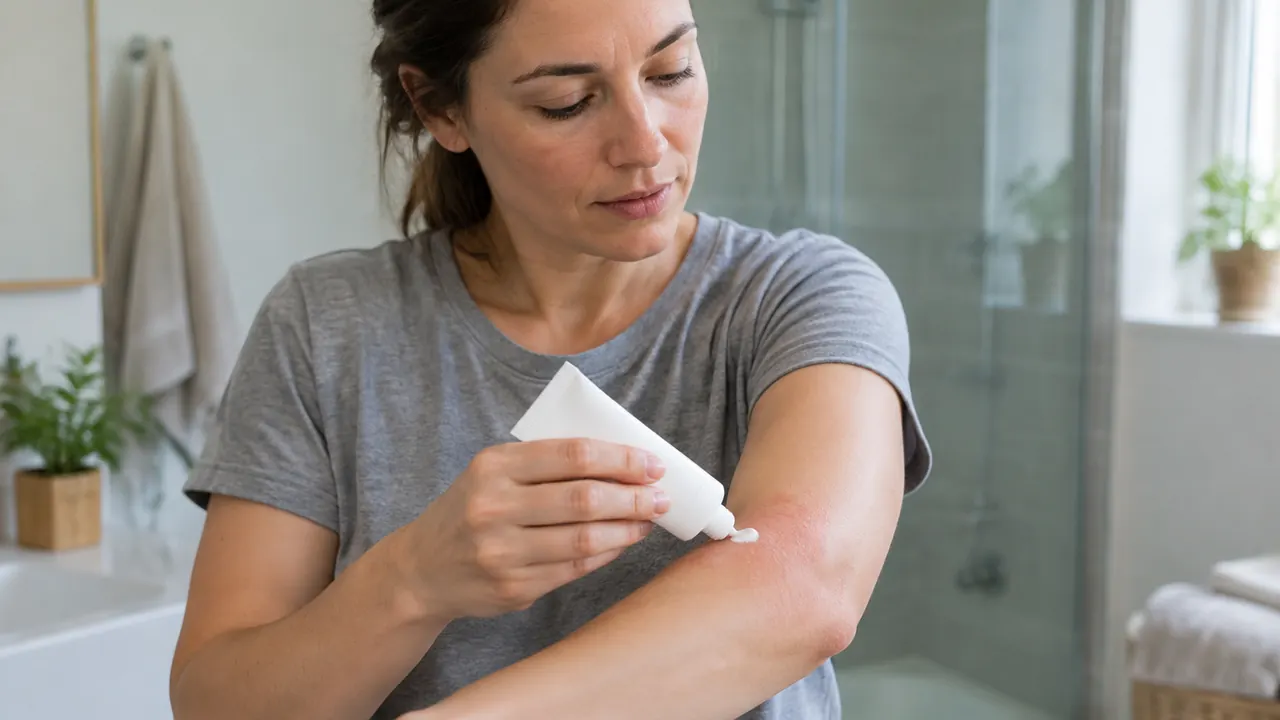
An eczema flare can make ordinary things sting: a shower, a sweater, even washing your hands. The itch can interrupt sleep, and conflicting advice can turn a manageable routine into a shelf full of products and a growing list of foods to avoid. For adults with atopic dermatitis, the most common type of eczema, a useful starting point is simpler: protect the skin barrier, treat inflammation promptly and recognize when something needs medical attention.
In 2026, treatment options extend well beyond moisturizers and topical steroids, but the daily foundation remains straightforward. You do not need a detox, an expensive skin-care system or a universally “eczema-safe” diet. You need products you can tolerate and a treatment plan matched to your symptoms, body sites and medical history. Use the steps below alongside your clinician’s instructions; a new or unusual rash may need a diagnosis before you treat it as eczema.
1. Set up a small routine you can repeat
Build your routine around a gentle cleanser, a fragrance-free moisturizer and any prescribed treatment. Keep them where you will use them, with a second moisturizer near the sink if handwashing is frequent. Introducing one optional product at a time makes it easier to identify irritation. A long ingredient list is not automatically unsafe, and a short or “natural” one is not automatically gentle.
For several days, notice where the rash appears, how much you scratch and whether sleep is affected. Eczema may look red or pink on lighter skin and purple, gray, dark brown or otherwise discolored on darker skin. Texture, warmth, cracking and itch matter too. Photographing the same area in similar light can help you and your clinician judge changes without inspecting your skin all day.
- Morning: Moisturize dry areas and apply scheduled prescription treatment as directed.
- After washing: Pat gently and replace moisturizer, especially on your hands.
- Evening: Cleanse as needed, use prescribed flare treatment and moisturize again.
- During a flare: Follow the written plan rather than adding scrubs, essential oils or multiple new remedies.
2. Cleanse gently, without trying to sterilize your skin
Use lukewarm water and keep showers or baths brief, often around five to 10 minutes. Hot water may briefly soothe an itch but can leave skin drier afterward. Choose a mild, fragrance-free cleanser and concentrate it on visibly dirty or sweaty areas, the armpits, groin and feet rather than repeatedly soaping every patch. Use your hands instead of a scrub brush, exfoliating glove or rough washcloth.
There is no single bathing frequency that suits every adult. Daily bathing can work if it is gentle and followed by moisturizer; less frequent bathing may suit someone who is not sweaty or dirty. Afterward, pat rather than rub, leaving skin slightly damp, and moisturize promptly. For frequent handwashing, use gentle soap when practical, rinse thoroughly and apply cream afterward. Follow appropriate hygiene guidance rather than skipping necessary washing.
Avoid routine antibacterial washes, alcohol-based skin toners and fragranced bubble baths on eczema. If water or cleanser consistently causes marked burning, consider whether the barrier is severely cracked or the product is irritating. Ask for advice if simplifying the wash routine does not help. Bleach baths are a clinician-directed option for selected patients, not a standard do-it-yourself step.
3. Choose a moisturizer for the job, not the marketing
Moisturizers reduce water loss and help a damaged skin barrier, but they do not replace anti-inflammatory treatment during an active flare. Apply a generous, comfortable layer at least daily, commonly twice daily and after washing. Cover dry, eczema-prone areas, not just the most visible patch. The best choice is often an affordable product you will use consistently rather than a premium formula saved for emergencies.
Look for fragrance-free rather than relying only on “unscented,” which can include ingredients that mask odors. Petrolatum, glycerin and ceramides are common useful ingredients, but no single ingredient is mandatory. Lotions are easier to spread but may be less protective than creams or ointments. Urea or exfoliating acids can sting inflamed or cracked skin, even when helpful for other kinds of dryness.
- Try a new moisturizer on a small area of intact skin for several days before broader use; this is not a diagnostic allergy test.
- Stop a product that causes persistent burning, worsening itch or a new rash.
- Keep emollient-soaked clothing and bedding away from cigarettes and open flames; residue can increase fire risk, even after washing.
| Type | Useful for | Trade-off |
|---|---|---|
| Ointment | Very dry patches; overnight use | Greasy feel; may be uncomfortable in heat |
| Cream | Everyday use; hands and larger areas | Some formulas sting sensitive skin |
| Lotion | Hairy areas; lighter daytime coverage | May need more frequent reapplication |
| Plain petrolatum | Simple barrier protection for dry, cracked skin | Does not treat inflammation or infection |
4. Treat the flare, and put steroid risks in perspective
When eczema is inflamed, moisturizer alone often is not enough. Topical corticosteroids remain an effective, commonly prescribed flare treatment. Their strength, application frequency and duration should match the rash’s severity and location. Skin on the eyelids, face, groin and folds generally needs different instructions from thicker skin on the palms or soles. Do not transfer a strong prescription from one body area to another without checking.
Steroid concerns deserve a clear conversation, not dismissal. Prolonged or inappropriate use, especially of stronger products on thin skin or under coverings, can cause skin thinning, stretch marks and other problems. Absorption-related effects are uncommon with appropriate limited use but become more relevant with potent medicines over large areas. Conversely, avoiding needed treatment can prolong inflammation, scratching, sleep loss and infection risk. Topical steroid withdrawal reactions have been reported, particularly after prolonged, frequent use; their frequency is uncertain, and worsening after stopping also can reflect returning eczema.
Ask your prescriber to write down exactly where to apply each medicine, how much to use and when to stop or step down. A fingertip-unit demonstration can make the amount concrete. Some adults benefit from intermittent maintenance treatment on frequently recurring sites after a flare clears. If you are worried about dependence or rebound, review your actual use together rather than abruptly abandoning treatment or repeatedly extending a course yourself.
5. Know when to adjust the treatment plan
Apply prescription products according to their instructions, generally to the affected areas, while continuing moisturizer more broadly. There is no universal waiting interval that fits every medicine and formulation; ask your pharmacist about layering rather than mixing prescription cream into moisturizer. Wet wraps can help selected severe flares, but covering a topical steroid increases absorption. Get specific instructions before combining them.
Nonsteroid prescription options include topical calcineurin inhibitors and, for appropriate patients, other anti-inflammatory creams such as PDE4 or JAK inhibitors. These differ in approved uses, body-area limits, side effects and precautions; some can initially sting. More persistent disease may call for phototherapy, injectable biologics or oral medicines. Availability does not make every option suitable for everyone, and insurance coverage can affect access.
- Arrange follow-up if treatment is not helping within the expected timeframe, often one to two weeks for a prescribed flare course, or sooner if worsening.
- Ask for reassessment if itch regularly disrupts sleep, work or daily activities.
- Mention recurring eyelid or hand eczema, or reactions to products; contact dermatitis may coexist with atopic dermatitis.
- Do not use leftover oral steroids or antibiotics to improvise a rescue plan.
6. Recognize infection and get help promptly
Scratching and cracks can let germs through the skin barrier. Seek prompt medical advice for increasing pain, warmth or swelling; pus; new yellow or honey-colored crusting; or a rash that suddenly worsens or spreads. Redness may be less obvious on darker skin, so pay attention to tenderness and changes in color or texture. Weeping alone does not prove bacterial infection, but a meaningful change warrants assessment.
Fever, feeling very unwell, rapidly spreading painful skin changes or red streaks need urgent evaluation. A sudden crop of similar-looking painful blisters or punched-out sores, especially with fever, can signal eczema herpeticum, a herpes infection that needs urgent treatment. Seek same-day urgent care, and emergency care for eye involvement, vision changes or severe illness. Do not wait for a routine appointment.
Avoid treating suspected infection with leftover antibiotics or over-the-counter antibiotic ointments unless advised; some ointments themselves cause contact allergy. A clinician can determine whether antimicrobial treatment is needed and how to continue eczema medicines safely.
7. Skip blanket food rules and untargeted allergy panels
Most adults with eczema do not need to cut out dairy, gluten, eggs or other broad food groups. Without a convincing history of food allergy, elimination diets often add cost, stress and nutritional gaps without reliably improving eczema. A flare after a meal does not establish cause: symptoms naturally fluctuate, and heat, sweat, illness, stress or skin products may be involved.
Broad food-allergy blood panels and skin-prick testing are not routine eczema investigations. A positive result can show sensitization without a true clinical allergy, leading to unnecessary avoidance. Commercial food IgG tests do not diagnose food allergy or explain eczema. Targeted testing is more useful when the history suggests a specific immediate reaction, such as reproducible hives, swelling or vomiting after a food. Breathing difficulty or throat symptoms require emergency care.
If one food seems consistently linked to symptoms, discuss it with a clinician or allergist before restricting your diet. Do not attempt a home food challenge after a suspected serious reaction. For rashes linked to skin contact, a dermatologist may instead recommend patch testing for delayed contact allergy. The goal is a focused answer, not a longer list of things you cannot eat or use.
This guide provides general information; consult a qualified clinician for diagnosis, individualized treatment and current medication instructions.
AI Assistance Used — AI assistance was used in researching and drafting this article. It was reviewed, edited, and fact-checked by Lisa Barber before publication.