Buying a Duplex to Live In: Stress-Test the Rent Before You Make an Offer
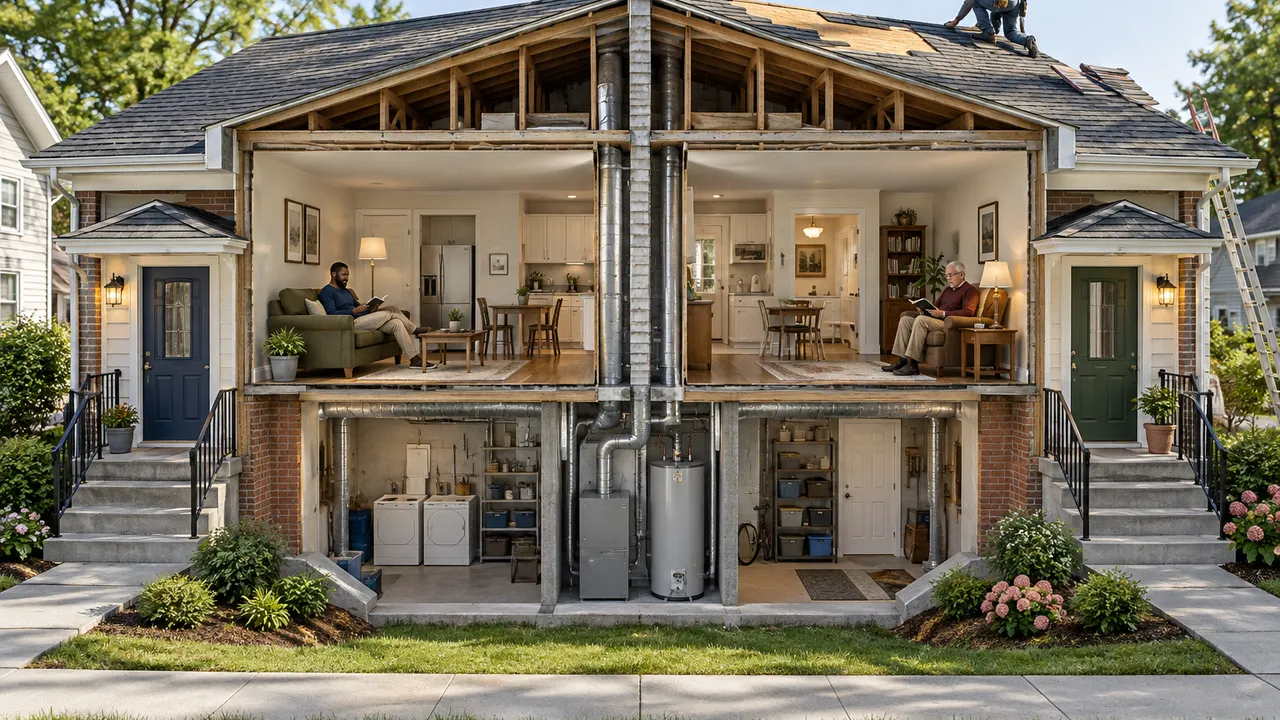
Buying a duplex to live in can make homeownership more affordable: occupy one unit and collect rent from the other. But the mortgage payment is certain; the rent is not. A listing’s projected income can disguise an illegal apartment, an unfavorable lease, or maintenance that consumes the apparent savings. Your comparison should include the cash needed at closing and the monthly housing cost you must cover without a tenant.
Before making an offer, run two separate tests: whether a lender will count the rent and whether the property works for your household when collections fall short. Start with documents, not the seller’s spreadsheet, and make any offer contingent on appropriate financing, inspections, and document review.
1. Verify That Both Units Are Legal
Two kitchens and separate entrances do not prove that a property is an authorized duplex. Check the address with the local planning or zoning office and building department. Request records establishing permitted residential use and occupancy, plus permits for conversions. A tax assessor’s two-unit classification alone is not proof.
Confirm that rental use is allowed and identify any local license, registration, or inspection requirement. Ask about open violations and whether existing nonconforming use remains protected after a sale or renovation. Unresolved legality can affect financing, insurance, and your ability to rent; obtain written answers before removing contingencies.
If legalization is necessary, get a written scope and contractor pricing before assuming it is feasible. Required parking, minimum lot size, or utility upgrades can make approval impractical even when construction seems straightforward.
- Match approved plans and occupancy records to the actual layout, including basement rooms.
- Check required exits, fire separation, smoke alarms, and carbon monoxide protection.
- Ask whether outstanding violations or unpermitted work must be corrected before occupancy.
2. Read the Leases Before Counting the Rent
If a tenant already occupies either unit, request the signed lease, amendments, renewal notices, payment ledger, and security-deposit records. Reconcile reported collections with supporting records when available. Determine which unit you can lawfully occupy and when; buying the building generally does not automatically terminate an existing tenancy.
Check local and state rules covering rent increases, just-cause protections, owner-move-in procedures, and deposit transfers. Have a local real estate attorney review uncertainty before relying on a vacancy date. Where appropriate, obtain a tenant estoppel or written confirmation of rent, deposits, lease terms, and unresolved promises.
Have the closing agent itemize rent prorations and transferred deposits on the settlement statement. Security deposits are tenant liabilities, not repair reserves; confirm any required separate account, interest, and tenant notices.
- Identify concessions, unpaid balances, prepaid rent, and any informal agreements.
- Confirm responsibility for water, heat, electricity, landscaping, snow removal, and trash.
- Compare lawful collectible rent with comparable units—not just optimistic asking rents.
3. Get the Lender’s Rental-Income Calculation
Ask lenders to evaluate the actual two-unit property, not merely issue a generic preapproval. Owner-occupied duplexes can qualify under several mortgage programs, but documentation, down payments, reserves, and occupancy rules vary. Treatment can also depend on whether rental income is existing or proposed and your rental-management history.
A common underwriting approach uses 75% of qualifying gross rent, leaving a 25% allowance for vacancy and maintenance. That is not universal approval or spendable cash. Request the lender’s calculation and required evidence, such as leases, tax returns, or an appraisal rent schedule. Verify current guidance through HUD, Fannie Mae, Freddie Mac, or the applicable agency.
Ask the loan officer to rerun qualification with a lower appraiser-supported rent. If that changes approval, preserve enough financing-contingency time to review the appraisal rather than treating advertised rent as settled.
- Ask how much rent qualifies and whether it offsets housing expense or adds income.
- Confirm required post-closing reserves separately from the down payment and closing costs.
- Check owner-occupancy deadlines against existing tenants’ rights before committing.
4. Turn Gross Rent Into a Usable Budget
Build a property-specific monthly budget. The illustration below assumes $1,500 in rent and one vacant month annually, averaged across the year. Repair and replacement allowances are placeholders, not recommended targets; replace them with inspection findings and local quotes. Utility costs need actual bills.
That leaves $975 toward the full mortgage payment, property taxes, insurance, and other costs—not profit. Budget the whole building’s expenses once, without double-counting allowances. Request utility histories, identify shared meters, and verify whether tenant billing is lawful. Add licensing, turnover cleaning, pest control, and management costs if applicable. Check reassessment rules with the assessor and obtain an insurance quote covering owner occupancy and rental use.
| Rental-side item | Monthly amount |
|---|---|
| Scheduled rent | $1,500 |
| Vacancy allowance | −$125 |
| Repairs and replacement savings | −$300 |
| Owner-paid utilities | −$100 |
5. Make the Downside Affordable
Run a downside scenario with two or three months of no rent, a major repair, and higher insurance or taxes. This is a stress test, not a forecast. Can household income and accessible savings cover the entire building without credit-card debt? Distinguish vacancy from nonpayment: an occupied unit can produce no income while lawful collection or eviction takes time.
Set aside cash for near-term work identified by inspections, then maintain operating and replacement reserves. Several months of total property outflows can be a starting point, with more for aging systems or limited household flexibility. Lender-required reserves are a qualification floor, not a maintenance plan. Use roofing, plumbing, electrical, and heating estimates to set your offer ceiling. If the deal works only at full rent with no repairs, lower the price or walk away.
Put the stress test on a month-by-month timeline. A furnace replacement due immediately after closing cannot be funded by future rent; subtract that bill before measuring how long your remaining reserves last.
As of October 2026, verify current requirements with official agencies and qualified local professionals; this article is general information, not personalized advice.
AI Assistance Used — AI assistance was used in researching and drafting this article. It was reviewed, edited, and fact-checked by Leah Fornier before publication.