Marked Delivered but Missing: A Practical Package Recovery Plan
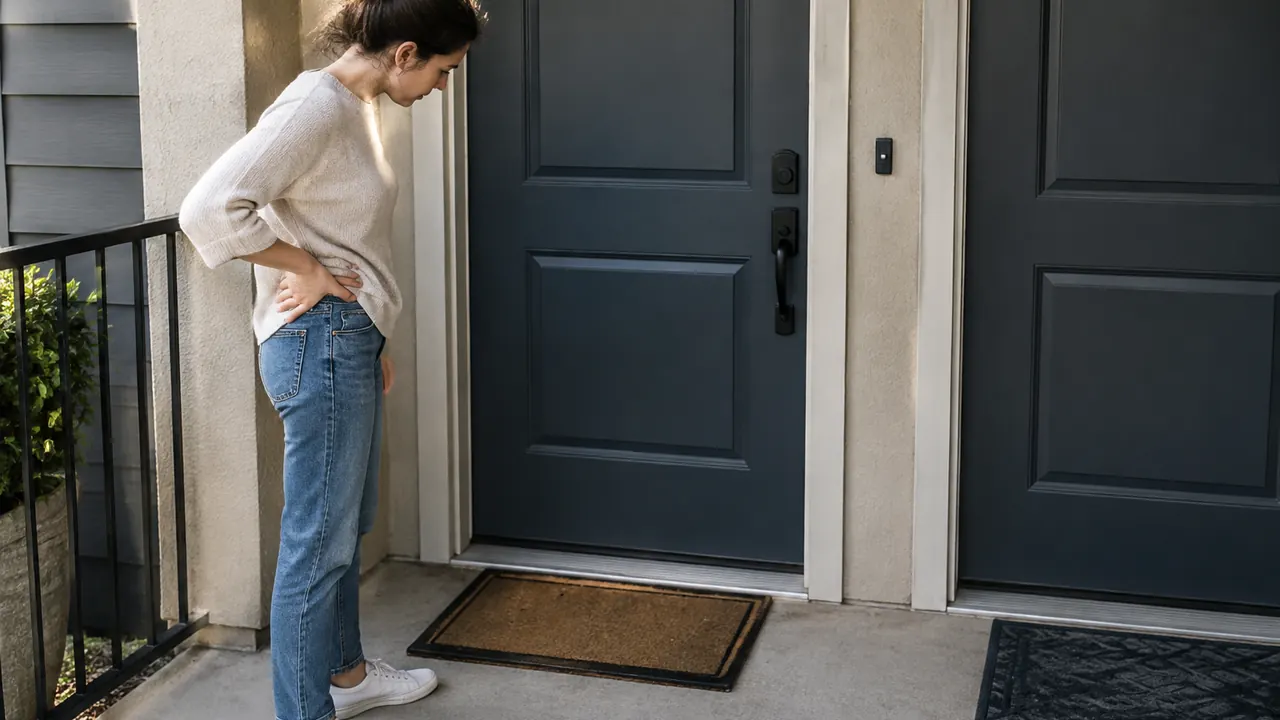
The tracking page says delivered, but your doorstep is empty. That mismatch does not tell you whether the driver left the package at another entrance, scanned it before completing the stop, delivered it to the wrong address or left it somewhere a thief could reach. Start by treating the scan as evidence to investigate, not proof that you received the order. A calm, documented response gives the seller and carrier something specific to work with.
For shoppers in July 2026, the practical challenge is that delivery records, marketplace guarantees, carrier claims and payment disputes run on separate tracks. Opening one case does not necessarily open another or pause its deadline. Use the checklist below in order, but overlap steps when a cutoff is close. Your immediate goals are to locate the parcel, establish what likely happened and preserve the right remedy without prematurely calling the problem theft.
1. Save the delivery evidence before it changes
Open the order page and the carrier’s own tracking page, preferably through the retailer’s app or a web address you enter yourself. Save screenshots showing the tracking number, delivery date and time, delivery location description, photo and any signature. Include the promised delivery date and the order’s shipping address. Some tracking pages become less detailed over time, and a support conversation may be easier when everyone is looking at the same record.
Inspect the evidence for inconsistencies. Does the photo show your doormat, door color or apartment layout? Does the signature identify someone you recognize? A map pin or location label may be approximate; it is not always a precise record of where the box landed. If there is no photo, that alone does not establish a failed delivery. Record what is missing or inconsistent rather than filling the gaps with assumptions.
- Save the receipt, item description, price, shipping charge and payment method in one folder.
- Confirm whether the order was split into multiple parcels with different tracking numbers.
- Check the actual shipping address against your intended address, including the apartment number.
- Write a short timeline: delivery alert, first check of the doorstep and each later contact.
2. Check nearby places, then report the absence promptly
Look at every authorized or plausible drop-off point: a side entrance, garage door, mailbox if appropriate, parcel locker, reception desk or building package room. Ask household members, building staff and nearby neighbors whether they accepted or moved the box. Use the delivery photo to guide the search, but do not enter private property or open someone else’s mail. If a neighboring door appears in the image, ask politely rather than accusing its resident.
Check locker notifications and building logs, including whether staff logged the parcel under another resident’s name. If footage is available, ask the person responsible to preserve the relevant time window before recordings are overwritten. Some carriers advise allowing a short period after an apparent premature scan; verify the current instruction for that service. That waiting period is not a reason to miss a seller’s reporting cutoff. Notify the seller that the package is absent while you complete reasonable checks.
- Check delivery instructions for an old safe-place request or an authorized alternate recipient.
- Ask staff to search overflow storage, not just the usual package shelf.
- Note who checked each location and when; keep any written response.
- Do not post unredacted labels, addresses or tracking numbers in neighborhood groups.
3. Separate misdelivery, loss and suspected theft
Describe the facts first and attach a tentative category only when the evidence supports it. Misdelivery means the parcel went somewhere other than the intended or authorized destination. Shipment loss generally means it disappeared before proper delivery. Suspected theft means evidence suggests someone removed it after delivery. A delivered scan with no corroborating details may remain unresolved; you do not have to diagnose it before asking for an investigation.
The distinction matters because a carrier’s loss claim may not cover a parcel properly delivered and later stolen. A seller may still offer goodwill assistance, purchase protection or a remedy required by applicable law, but those are different routes. Conversely, a wrong-door photograph is a reason to investigate delivery performance, not automatically tell you to file a theft report. An address you entered incorrectly creates another problem with potentially different obligations. Be candid about that error and ask whether retrieval is possible.
- Use “marked delivered, not received” when the cause is unknown.
- Update the case if new evidence changes the likely explanation.
- Do not describe an authorized household acceptance as non-delivery without explaining what happened next.
| Possible situation | Useful evidence | First request |
|---|---|---|
| Misdelivery | Photo of a different entrance or carrier confirmation | Ask for retrieval and correct delivery |
| Shipment loss | Trace finds no completed delivery or parcel cannot be located | Ask seller about replacement or refund; clarify claim filing |
| Suspected theft after delivery | Footage showing placement and later removal | Ask about theft coverage and reporting requirements |
| Unresolved delivered scan | Scan exists but location or recipient is unclear | Request delivery verification before assigning a cause |
4. Contact the seller and carrier on parallel tracks
Contact the seller through the order’s official support channel and the carrier through its official tracking or customer-service channel. The seller handles your purchase and may need to initiate the shipping claim because it bought the label. The carrier can investigate the delivery event. Ask whether the seller will open a trace, what information it needs and when you should expect an update. If you bought through a marketplace, use its order-specific process so the complaint is recorded there too.
Give both parties the same concise account: “Order X was marked delivered at this time. I have not received it. I checked these locations. The photo shows this discrepancy. Please investigate and provide a case number.” Ask the carrier to have the local delivery unit review the scan, photo, available location data and driver’s recollection. It may not release internal location data to you, but it can sometimes use that information to investigate.
- Request a written case number, next action and expected response date from each party.
- Ask whether retrieval, redelivery, replacement or refund is being considered; these are not interchangeable.
- If support sends you elsewhere, ask who owns the next step and document the answer.
5. Build a deadline calendar, not just a support thread
Find the current rules for the retailer, marketplace, carrier service and payment method. Save the relevant terms or help pages with the date you accessed them. Deadlines may run from shipment, expected arrival, the delivered scan, a statement date or another event. There may also be a minimum waiting period before a claim can start. Put both the earliest filing date and final cutoff on your calendar, with reminders before the last day.
Do not assume a carrier search pauses a marketplace guarantee or payment dispute window. Ask explicitly, and preserve any written extension. For a qualifying credit-card billing error involving goods not delivered as agreed, federal protections generally require written notice within 60 days after the creditor sends the first statement showing the error. Follow the issuer’s billing-error instructions and designated address; ask whether an electronic submission satisfies its requirements. A correctly delivered package stolen afterward may not fit that category.
- Record each process separately: seller report, marketplace case, carrier claim and payment dispute.
- Confirm who may file the carrier claim and whether you need the seller’s cooperation.
- Keep proof of submission, attachments and confirmations, not merely a draft complaint.
- Check debit-card, digital-wallet and buy-now-pay-later rules separately; do not assume credit-card protections apply.
6. Match your escalation to the evidence
If the investigation supports misdelivery or loss, send the finding to the seller and request a specific remedy, usually replacement or refund. Ask for a written decision if it refuses. Escalate through the marketplace’s formal buyer-protection process when applicable, attaching the order record, your checks and the carrier’s response. If you pursue a payment dispute, describe the transaction accurately: an authorized purchase that was not received is not the same as an unauthorized card charge.
If evidence supports theft after proper delivery, ask about retailer assistance, separately purchased package protection, or homeowners or renters coverage. Check covered causes, exclusions, deductibles and documentation before filing; a small loss may fall below the deductible. A police report may help document suspected theft or satisfy a policy requirement, but it does not guarantee reimbursement. Report facts, avoid naming a suspect without evidence and never confront someone to recover a box.
- Ask whether a denial rests on a delivery scan alone or additional evidence.
- Submit any appeal before its deadline, even if another investigation remains open.
- Disclose refunds, replacements and other recoveries; do not seek duplicate compensation for the same loss.
7. Close the case carefully and reduce repeat problems
Before closing a complaint, confirm that the replacement arrived or the refund actually posted. Save the resolution and any instructions about returning an original parcel that later appears. If a neighbor, carrier or building employee finds the box after reimbursement, notify the seller and any other party handling compensation. For repeated unexplained deliveries, ask the carrier and building manager to review access instructions, unit labeling and recurring drop-off errors rather than opening isolated cases indefinitely.
For future high-value orders, compare staffed pickup, eligible lockers, hold-for-pickup services and signature options before checkout. Verify identification requirements, collection deadlines, fees and who may sign; a signature service does not always mean only you can receive it. Remove outdated delivery instructions and consider whether a supposedly safe spot is actually visible from the street. These choices cannot eliminate every loss, but they can create clearer evidence and reduce the time a parcel sits unattended. Keep the original case folder until related refund and dispute processes are fully resolved.
Carrier rules, retailer guarantees, coverage terms and fees can change; verify current requirements and deadlines with the relevant provider before relying on a remedy.
AI Assistance Used — AI assistance was used in researching and drafting this article. It was reviewed, edited, and fact-checked by Leah Fornier before publication.