Streaming Costs Crept Up. Here Is How to Take Them Back Down
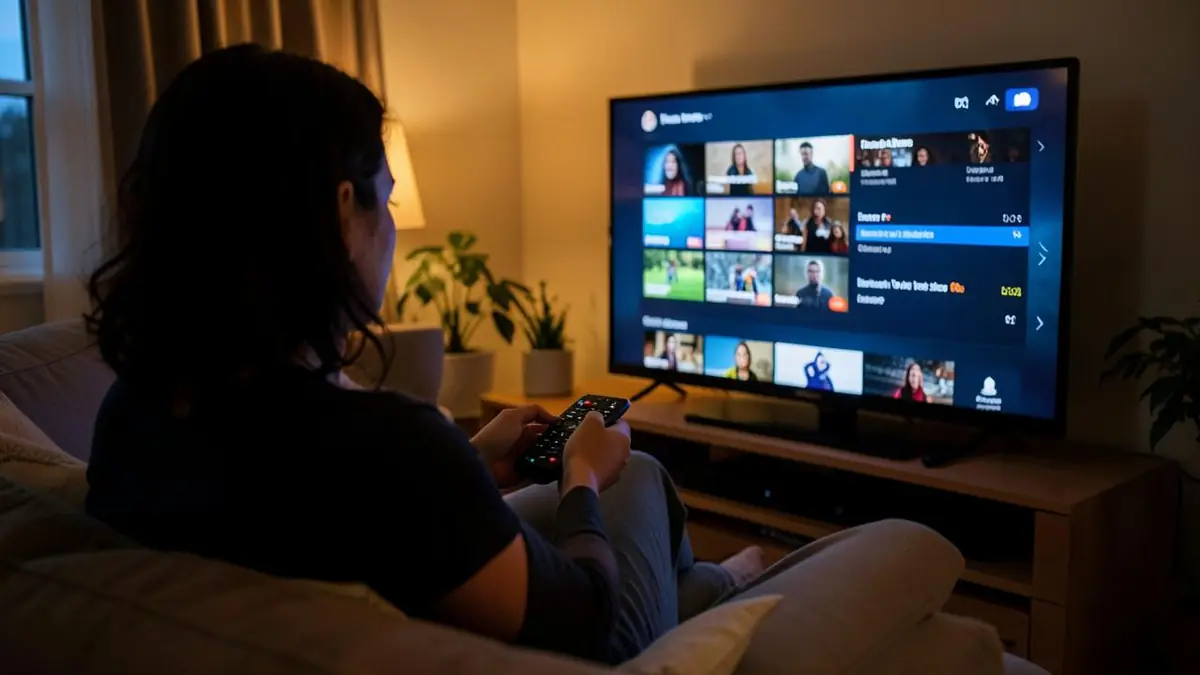
Streaming was sold as the cheaper alternative to cable, and for a while it was. Prices have risen repeatedly across the major services, cheaper tiers have gained advertising, and password sharing rules have tightened.
The result is that many households now pay more each month than they intended, spread across enough separate charges that no single one prompts a review.
Start with an audit you can see
List every recurring entertainment charge from three months of bank or card statements. Subscriptions bought through app stores are easy to miss because they appear under the store's name rather than the service's.
Next to each, note the last time anyone in the household watched something on it. That column usually settles the decision without further discussion.
Rotate instead of stacking
Most services are monthly with no contract, which means subscribing for the month a particular series finishes airing and then cancelling is entirely legitimate use.
Rotating two services at a time rather than holding five typically cuts the annual total by more than half while losing very little, since few households watch more than a couple of things at once.
Ad-supported tiers and annual plans
Cheaper advertising-supported tiers now exist across most major platforms, sometimes with restrictions on downloads or resolution. For background viewing the trade-off is often acceptable.
Some services offer discounted annual plans, which only make sense for the one or two platforms you genuinely use year-round. Applying that logic to a service you would otherwise rotate is a false saving.
Check what you already pay for
Mobile plans, broadband packages, retail memberships, and credit cards frequently include a streaming service or a long promotional period, and these often go unclaimed.
Bundles offered by the platforms themselves can be cheaper than separate subscriptions, but only when you were going to keep every component anyway.
Free sources people forget
Public libraries in many countries provide free access to film and music streaming platforms with a library card, alongside ebooks and audiobooks.
Free ad-supported streaming channels, public broadcaster catch-up services, and archive collections carry a substantial amount of watchable material at no cost.
Renting, buying, and disappearing titles
For a film you want once, a rental usually costs less than a month of a service you would otherwise cancel. For something rewatched often, buying can be cheaper over time.
Purchased digital titles depend on licensing that can change, and titles do leave catalogues. If permanence matters for a particular favourite, physical media remains the only version nobody can remove.
Prices, tiers, and bundle terms change frequently and differ by country. Confirm current pricing directly with each service.
AI Assistance Used — AI assistance was used in researching and drafting this article. It was reviewed, edited, and fact-checked by Leah Fornier before publication.