The Dealer Says Your Financing Fell Through: What to Do Next
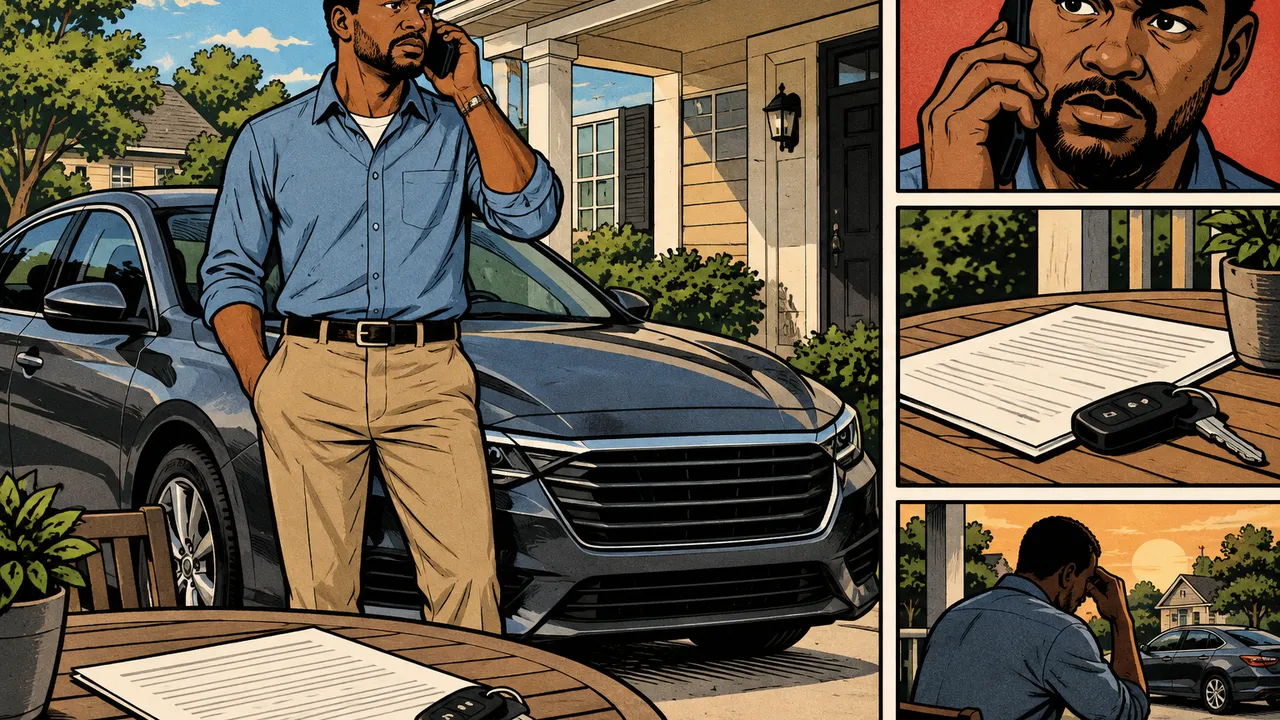
You drove home in a new-to-you car. Days later, the dealership calls: Financing fell through, and keeping the vehicle requires a higher interest rate, more cash or a co-signer. Do not agree during that call. Ask for the demand, its basis and any deadline in writing. Record the caller’s name and proposed changes, including any threat to repossess the car or retain your deposit.
This can be a legitimate conditional-delivery problem—or a pressure tactic commonly called “yo-yo financing.” The distinction depends on your signed documents, what actually happened with the loan and state law. As of October 2026, there is no single nationwide rule resolving every dealer-financing reversal.
1. Find out whether delivery was conditional
Gather every document from the sale, including electronic signatures and attachments. A buyer’s order, retail installment sales contract and separate delivery agreement may address different parts of the transaction. Look for language making the sale dependent on financing approval or allowing cancellation if the dealer cannot assign the contract.
A signed installment contract may identify the dealership as the original creditor, even when it expects to sell the contract to a lender. Failed assignment does not automatically let the dealer rewrite your bargain. Conflicting documents, missing signatures or an expired cancellation deadline deserve legal review; a label alone does not establish enforceability.
Build a timeline showing signing, delivery and cancellation-notice dates. Keep envelopes and email timestamps: a provision requiring notice within a fixed period may distinguish when the dealer sent notice from when you received it.
- Search for “conditional delivery,” “spot delivery,” “bailment” and “seller’s right to cancel.”
- Identify deadlines, required notices and the exact financing condition.
- Save the advertised terms, receipts and downloadable copies of signed records.
2. Verify what actually fell through
Ask which lender declined or withdrew approval, when that happened and whether the problem involves income verification, missing information or different underwriting terms. Request the applicable contract clause and written explanation. Contact the named lender through an independently verified number, not just one supplied in a text.
The lender may limit what it can disclose, but ask whether it received your application, approved financing or funded the contract. Credit denials can trigger adverse-action notice requirements; responsibility depends on the parties’ roles and circumstances. Such a notice helps explain a credit decision, but does not by itself settle the sale’s legal status.
Request a copy of the submitted credit application. Compare income, employment, housing costs and down payment with what you provided. Flag discrepancies in writing; do not sign replacement paperwork repeating an error.
| Dealer’s claim | What to request |
|---|---|
| Application was declined | Lender identity and applicable denial notice |
| Approval conditions were unmet | Specific condition and missing documentation |
| Contract could not be assigned | Cancellation clause and dated notice |
| Replacement financing is available | Complete written disclosures before signing |
3. Compare options without signing under pressure
A dealer’s request is not proof that you must accept new terms. Depending on the contract and state law, options may include enforcing the original deal, arranging outside financing, negotiating a replacement or unwinding the transaction. There is generally no federal three-day cooling-off right for a car purchased at a dealership.
If considering another loan, compare the annual percentage rate, amount financed, term, finance charge and total of payments—not merely the monthly payment. A longer term can hide a worse deal. Check whether add-ons have reappeared and whether the replacement documents clearly resolve the original contract rather than creating overlapping obligations.
An outside lender may impose vehicle-age, mileage or loan-to-value limits. Confirm eligibility using the vehicle identification number and purchase figures, and distinguish a preliminary prequalification from approval with all funding conditions satisfied.
- Get a bank or credit union quote if time permits.
- Reject blank forms, backdated signatures and inaccurate application information.
- Request copies before signing; preserve the original agreement.
4. Protect your deposit and trade-in
Immediately ask where your trade-in is, whether it has been sold and whether its loan has been paid off. Request that it not be sold while the dispute is reviewed; that request alone may not legally freeze a sale. Contact your previous lender directly and keep required payments current until payoff is confirmed.
If returning the purchased car, seek a written unwind agreement covering your down payment, trade-in or its required value, payoff accounting, add-on refunds and any claimed deductions. State law controls many of these issues. Photograph the car and odometer, obtain a return receipt, and avoid signing a broad release without understanding it.
Specify refund amounts, payment methods and due dates in the unwind agreement. If the dealer promises to return your trade-in, document its condition, mileage, keys and title status before acknowledging that everything was restored.
- Keep proof of every deposit, payment and trade-in credit.
- Demand an itemized legal basis for mileage, damage or usage charges.
- Do not assume surrendering the keys cancels the debt.
5. Check state rights and escalate promptly
Use your state attorney general’s consumer site, motor vehicle department or dealer-licensing agency to check conditional-delivery rules. Ask about cancellation deadlines, notice requirements, deposit refunds, trade-in disposition and permitted charges. Verify current statutes or regulations through official state websites, not another state’s advice or an undated dealership FAQ.
For threatened repossession, withheld money or a sold trade-in, contact consumer legal aid or an auto-fraud attorney promptly. Send a factual written complaint to dealership management; complaints may also fit the state regulator, FTC or CFPB, depending on the conduct. Complaints do not pause deadlines. Keep insurance active and seek advice before withholding payments or refusing a return demand.
Give counsel a single file containing contracts, notices, payment records and messages. Highlight the earliest pending deadline and your desired outcome. If purchase and residence states differ, identify both when requesting advice.
Verify current requirements with official agencies and obtain advice about your documents and state law; this article provides general information, not personalized legal advice.
AI Assistance Used — AI assistance was used in researching and drafting this article. It was reviewed, edited, and fact-checked by Nadia Clarkson before publication.