Cleaning Is Not Disinfecting: When Your Home Needs Each
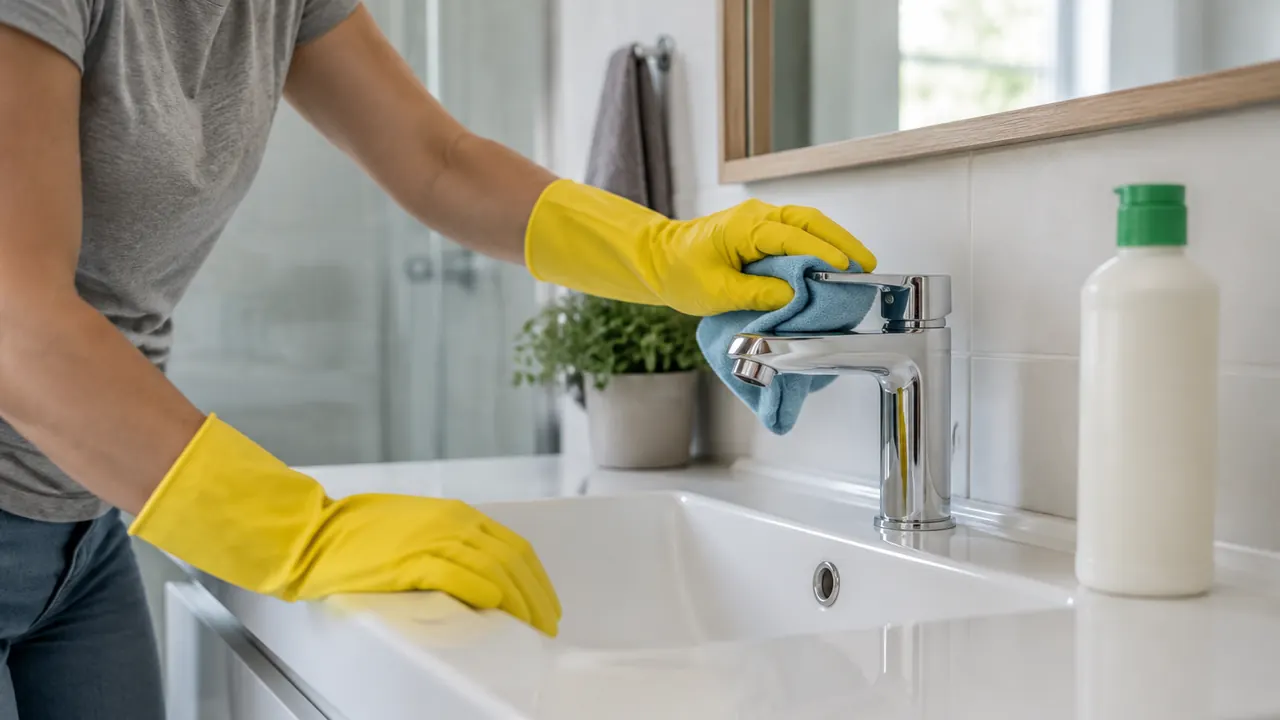
A wiped counter may look spotless without being disinfected. A counter sprayed with disinfectant may still have grease, crumbs and grime that interfere with the product’s work. Those are different problems, and understanding the difference can make household cleaning simpler, safer and less expensive. For most homes, most days, removing dirt with soap or detergent and water is the main job. Disinfection becomes more important when someone is sick, someone is especially vulnerable to infection, or a specific contamination event calls for it.
For your 2026 cleaning routine, the useful question is not which bottle promises the strongest result. It is what happened on the surface, who will touch it and what the product label actually permits. A familiar brand name or a quick swipe does not answer those questions. Start with ordinary cleaning, add targeted disinfection when warranted, and give the product the conditions it needs to work. That includes enough wet time, a compatible surface and safe handling.
1. Cleaning, sanitizing and disinfecting do different jobs
Cleaning physically removes dirt, food residue and many germs, usually through detergent, water and friction. It does not necessarily kill germs, but removing them reduces what remains on a surface. Disinfecting uses a chemical product to kill or inactivate specified germs on surfaces under the conditions printed on its label. Neither process makes a lived-in home permanently germ-free.
Sanitizing is another category, not a synonym for either one. On surfaces, sanitizers generally have claims for reducing bacteria; do not assume they work against viruses. Products labeled for food-contact surfaces can have specific sanitizing directions. In the United States, look for an EPA registration number on products claiming to disinfect household surfaces. Registration supports labeled uses and claims, not every possible use.
Some products combine cleaning and disinfecting, but that does not erase their instructions. A one-step claim may apply only under specified conditions, with precleaning still required for heavy soil. Nor does an antibacterial claim establish effectiveness against every household infection. Read the directions for the task and organism that matter, not just the largest words on the front.
| Task | Primary purpose | Typical role at home |
|---|---|---|
| Cleaning | Remove soil and many germs | Routine counters, floors and fixtures |
| Sanitizing | Reduce bacteria as specified on the label | Certain food-contact surfaces |
| Disinfecting | Kill or inactivate specified germs | Targeted treatment during illness or contamination |
2. Make routine cleaning the default
In a household without an active illness or special medical concern, regularly cleaning frequently touched surfaces is usually enough. Pay attention to faucet handles, light switches, door handles and shared work surfaces. Clean other areas when visibly dirty or as their use requires. There is generally no reason to disinfect every wall, floor and piece of furniture on a fixed daily schedule.
Use a cleaner appropriate for the material and enough wiping action to lift residue. Change cloths or switch to a clean side as they become dirty; dragging a soiled rag from the bathroom to the kitchen defeats the purpose. Wash reusable cleaning cloths with detergent and dry them completely. Keep bathroom cleaning tools separate from tools used around food.
Kitchen hygiene deserves attention even when nobody is sick. After preparing raw meat or poultry, clean affected work surfaces and equipment, then use an appropriate sanitizing step where recommended for food preparation. Follow food-contact directions, including any rinse requirement. Do not wash raw poultry: splashes can spread contamination to surrounding surfaces.
- Remove crumbs and spills promptly rather than covering them with disinfectant.
- Clean shared electronics according to the device manufacturer’s instructions.
- Wash hands before food preparation and after handling dirty cleaning tools.
3. Add disinfection for a specific reason
When someone has a contagious illness, targeted disinfection can be worthwhile, especially on shared bathroom fixtures and frequently touched surfaces. Match the response to the illness. For respiratory infections, cleaner air, staying away from others when sick and hand hygiene also matter; wiping surfaces cannot substitute for those measures. Focus effort where the sick person has been rather than automatically treating every room.
Vomiting or diarrhea calls for particular care. Norovirus can spread through tiny amounts of vomit or stool, and not every disinfectant works against it. Wear appropriate gloves, remove contamination carefully without spreading it, and follow current CDC cleanup guidance and directions for a product with an appropriate EPA-registered norovirus claim. Keep others away during cleanup. Soap-and-water handwashing is especially important; hand sanitizer alone does not work well against norovirus.
If someone is immunocompromised, ask their medical team whether the household needs a different cleaning and disinfection routine. The answer depends on the person’s condition, treatment and exposures. Likewise, a large sewage backup or extensive bodily-fluid contamination may need professional help, not a stronger version of ordinary housekeeping.
- Prioritize shared toilet handles, faucets and door handles during gastrointestinal illness.
- Use separate cleaning materials for contaminated areas and food-preparation spaces.
- Follow illness-specific advice for laundry; avoid shaking visibly soiled linens.
4. Contact time is part of the job
A disinfectant needs a specified contact time, sometimes called dwell time, to do what its label claims. The surface generally must remain visibly wet for that entire period. A spray followed immediately by a dry towel may clean the surface without achieving disinfection. Contact times vary by product, target germ and use; there is no universal number that works for every bottle.
Read the actual directions before starting. Remove visible soil if instructed, apply the product as directed and watch whether the surface dries too soon. You may need another wipe or additional product, consistent with the label, to maintain wetness. A single disposable wipe is not necessarily enough for a whole bathroom. Replace it when it can no longer wet the surface adequately.
Do not assume the shortest time displayed on a package applies to your situation. A product can list different times for different organisms or for sanitizing versus disinfecting. Follow any required rinsing afterward, especially where food, toys or mouths may make contact. Allow the specified drying or reentry conditions before children or pets use the area.
| Label detail | What to verify |
|---|---|
| Target organism | The relevant germ is covered by the product’s claim |
| Contact time | How long the surface must stay wet for that use |
| Precleaning | Whether soil must be removed before application |
| Finishing step | Whether rinsing, air-drying or another step is required |
5. Check the surface before choosing the chemical
A product that is effective against a germ can still be wrong for your countertop. Many household disinfectants are intended for hard, nonporous surfaces, not upholstery, unfinished wood or every type of stone. Bleach can discolor fabrics and corrode some metals; acids can etch marble and other acid-sensitive stone. Alcohol and other solvents can damage certain finishes, plastics and screen coatings.
Check both the cleaner’s label and the surface manufacturer’s care instructions. A hidden-spot test can reveal some cosmetic damage, but it does not establish that an off-label use is safe or effective. For phones, keyboards and controls, avoid spraying directly into openings. Use only the application method and moisture level the manufacturer allows, while recognizing that those limits may rule out a particular disinfectant.
Soft materials often need laundering or another material-specific cleaning method rather than the spray used on a toilet handle. Use detergent, the recommended wash settings and thorough drying. Never apply a surface disinfectant to skin, pets or produce. For food-contact surfaces, use a product labeled for that setting and complete any required potable-water rinse.
6. Ventilation and no-mixing rules are essential
Cleaning products can irritate the eyes, skin and airways, particularly in a small bathroom. Follow ventilation directions: open windows or doors when practical and use an exhaust fan that vents outdoors. Avoid leaning over a freshly treated surface or breathing spray mist. If a product triggers symptoms, stop using it and move to fresh air rather than trying to finish the room.
Never casually mix cleaning products, including products described as natural. Bleach mixed with ammonia can release dangerous chloramine gases; bleach mixed with acids, including vinegar and some toilet cleaners, can release chlorine gas. Other combinations can also cause hazardous reactions. Do not layer products on a surface or pour them into a drain where another cleaner may remain.
Use one product at a time. If changing products, follow directions for removing residues rather than improvising a chemical sequence. Gloves should match the label’s precautions; some tasks also require eye protection. An ordinary face mask does not make chemical fumes safe. Keep children and pets out of the work area.
- Never mix bleach with vinegar, ammonia or toilet-bowl cleaner.
- Do not combine different drain cleaners or add bleach to them.
- For an accidental exposure, contact Poison Control at 1-800-222-1222; call 911 for trouble breathing or other severe symptoms.
7. Build a small, readable cleaning kit
Most households do not need a shelf full of overlapping chemicals. Keep a suitable everyday cleaner, clean cloths, necessary protective gear and a disinfectant for situations that justify it. Store chemicals in their original labeled containers, secured away from children, pets, food and medicine. Never transfer a cleaning solution into a beverage bottle.
Before using an older product, check its expiration information and storage instructions. If a concentrate requires dilution, measure exactly as directed; stronger is not automatically better or safer. Prepare and replace diluted solutions according to the label because their useful storage life can differ from that of the original product. Do not rely on a recipe remembered from years ago.
The practical routine is straightforward: identify the mess, clean it, decide whether disinfection is needed, then follow the relevant label all the way through. Recheck directions when buying a replacement, since formulations and instructions can change. Careful, targeted work is more useful than repeatedly spraying everything in sight.
Consult a healthcare professional about infection-control needs for medically vulnerable household members, and check current product labels and public-health guidance before disinfecting.
AI Assistance Used — AI assistance was used in researching and drafting this article. It was reviewed, edited, and fact-checked by Nadia Clarkson before publication.