Choosing an Outdoor Grill That Survives More Than Two Summers
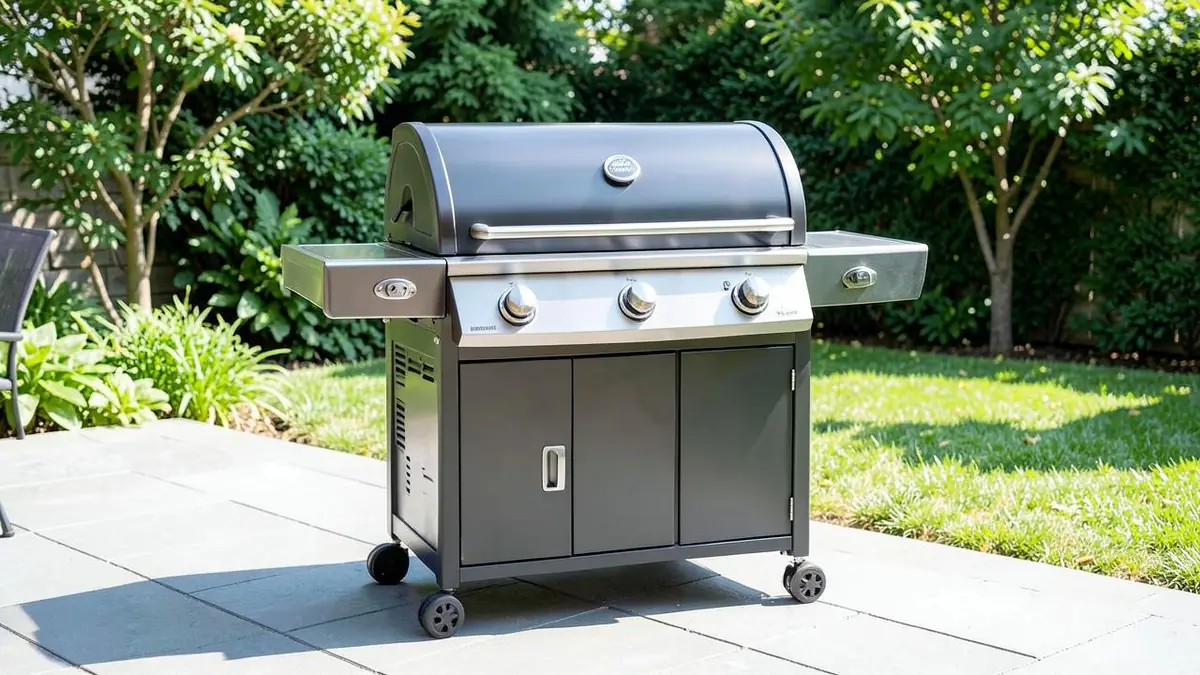
Grills are sold in spring, when the display models look identical and the differences that matter are invisible. Two units at the same price can carry the same burner count, similar advertised cooking area, and a comparable list of features, and one of them will be rusted through in three seasons.
The differences live in materials, thickness, and construction, which are exactly the details that do not fit on a promotional sign. They are, however, easy to check in person if you know where to put your hands.
Fuel type is a lifestyle decision
Gas is about convenience and control: quick to start, easy to regulate, simple to clean up. It is the right answer for people who cook outdoors on weeknights rather than as an event.
Charcoal delivers higher radiant heat and a flavour that gas does not reproduce, at the cost of setup and cleanup time. Pellet units sit in between, offering low-temperature smoking with thermostatic control, but they need electricity and a supply of pellets.
Where the metal actually matters
Not all stainless steel is equal, and the grade used in the lid is often not the grade used in the firebox. Magnetic stainless is generally a lower grade and less corrosion resistant, which is worth knowing before you accept the word stainless as a guarantee.
Pay closest attention to the parts nearest the flame: burners, heat deflectors, and the cook box. These fail first, and their replacement cost over five years is frequently more than the difference between a cheap grill and a decent one.
Heat retention beats raw output
Advertised heat output tells you how much fuel the grill can burn, not how well it cooks. A heavy lid and thick cook box hold temperature when the lid opens and when the wind picks up, which is what makes results consistent.
Lift the lid on the display model. If it feels tinny and light, the grill will swing wildly in temperature outdoors, and you will spend your cooking time chasing the dial rather than the food.
Grates, and why they are worth the upgrade
Thin chrome-plated grates conduct poorly and shed their coating within a couple of seasons. Heavy cast iron holds heat well and sears properly, at the cost of needing seasoning and care. Thick stainless is a reasonable middle path.
Because grates are consumable, check that replacements are available for the model and what they cost. A cheap grill with unavailable spares is disposable by design.
Assembly, ignition, and the boring parts
Look at how the unit is put together. Welded or bolted frames with substantial fasteners survive being wheeled across a patio; riveted thin panels loosen. Wheels and castors are a common early failure and a good proxy for the care taken elsewhere.
Electronic ignitions fail more often than anything else on a gas grill. Confirm the model can also be lit manually and that the ignition module is a replaceable part rather than sealed into the control panel.
Buy at the end of the season
Grill inventory is seasonal and floor space is expensive, so discounts deepen sharply once the weather turns. Buying a current-year model in autumn typically costs meaningfully less than the same unit in spring.
Whenever you buy, budget for a fitted cover and store the unit out of standing water. Most of the rust that kills grills starts on the inside of a cook box that never dried out.
Model specifications, materials, and warranty terms vary by manufacturer and change between model years. Verify details before purchase.
AI Assistance Used — AI assistance was used in researching and drafting this article. It was reviewed, edited, and fact-checked by Leah Fornier before publication.