Choosing an Audiobook: Narrators, Editions and Details to Check
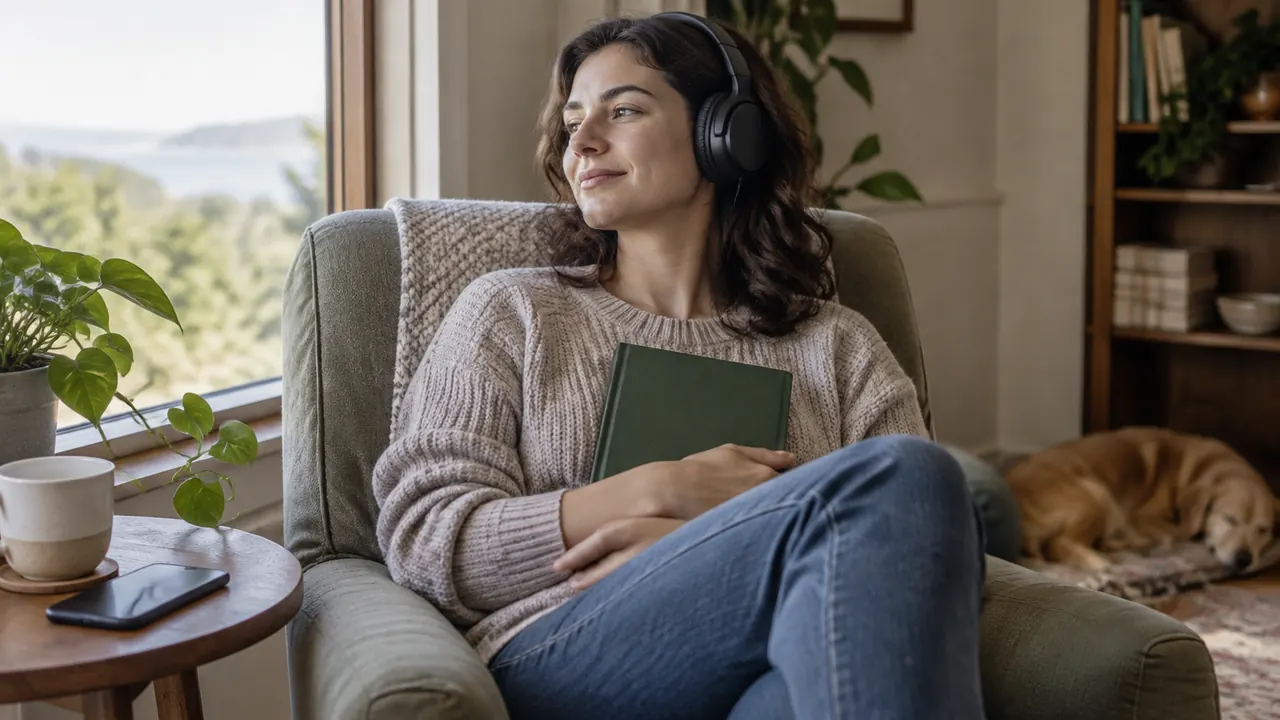
Choosing an audiobook means choosing both a book and a performance. Two listings with the same title and cover may contain different narrators, different translations or substantially different amounts of the original text. One might be a straightforward reading; another might turn the story into an audio drama with actors and sound effects. A familiar title is only the starting point, not proof that you have found the recording you want.
In 2026, listeners may encounter purchase prices, membership credits, subscription listening allowances and library borrowing options while comparing recordings. Those access methods can distract from the more basic question: What exactly will play when you press start? Before committing, inspect the edition label, narrator credits, runtime and accompanying materials. Then listen to a sample. A few minutes of checking can prevent hours with the wrong version, especially when you need a particular text for school, a book club or rereading.
1. Start with abridged versus unabridged
An unabridged audiobook is intended to present the complete text of the edition being recorded, rather than a shortened version. That last distinction matters: an unabridged reading of an older edition will not automatically include chapters added to a revised edition. Introductions, notes, indexes and other supporting material may also be handled differently in audio. If those elements matter, look for an explicit contents statement instead of assuming that every printed page is spoken.
An abridged recording deliberately shortens the work. Depending on the project, it may trim descriptions, subplots, examples or supporting arguments while retaining a central narrative. Abridgment can suit someone who wants a shorter listening experience, but it is not interchangeable with the full text for close reading. A summary or study guide is another product altogether and should not be mistaken for an abridged edition authorized by the book's publisher.
Check the product details as well as the title line, since labels are not always equally prominent. If the listing is unclear, consult the audio publisher's page or ask the seller which edition it carries. Do not treat a low price or short runtime alone as proof of abridgment.
| Listing label | What it generally means | What to verify |
|---|---|---|
| Unabridged | Complete text of the recorded edition | Source edition and treatment of extras |
| Abridged | A deliberately shortened text | Whether the shorter version fits your purpose |
| Summary or study guide | A separate condensed or explanatory work | Author, publisher and relationship to the original |
2. Separate full-cast readings from dramatizations
Full-cast describes the performers, not necessarily the completeness of the text. A production may assign dialogue to different actors while a narrator reads the surrounding prose. Alternatively, several narrators may alternate chapters or viewpoints without performing scenes together. Either approach can preserve the full book, but neither guarantees it. Look for an abridged or unabridged designation separately from the cast description.
A dramatization adapts the book for performance. Descriptive passages may become sound cues, scenes may be rearranged and dialogue may be rewritten or added. That can be enjoyable, but it is a different experience from hearing the author's sentences read aloud. Terms such as immersive or cinematic describe a style more than a dependable editorial standard; inspect the credits and adaptation notes.
Consider your listening setting, too. Music and effects that feel engaging through headphones at home may compete with dialogue in a noisy setting. Conversely, a restrained single-voice reading may make it easier to follow a dense argument. If you are reading along, choose based on textual fidelity rather than the number of performers. A production with a celebrated cast can still differ substantially from the printed book.
| Production type | Typical approach | Main question |
|---|---|---|
| Single narrator | One performer reads narration and dialogue | Do you enjoy the voice across different passages? |
| Multiple narrators | Readers divide chapters or viewpoints | Which voices appear, and how often? |
| Full cast | Actors perform different roles | Is the original prose preserved? |
| Dramatization | The book becomes an adapted performance | How much has changed from the source? |
3. Use the sample as a practical listening test
A narrator's voice is personal territory: a performance that another listener loves may not work for you. Play the sample through the headphones, speaker or hearing setup you normally use, at a comfortable volume. Begin at normal speed so you can judge the recorded pacing, then try your usual playback speed if the preview allows it. Faster playback can change your impression of pauses, emphasis and clarity.
Listen beyond whether the voice sounds pleasant. Can you follow long sentences without mentally reconstructing them? Are character voices distinct without becoming distracting? Does the delivery fit the book's mood? Author narration can bring insight and personality, but writing skill does not automatically predict the performance you will prefer.
Samples have limits. An opening introduction may feature someone who does not narrate the main text, and a short excerpt may omit other cast members. Check who is speaking and, when possible, find another publisher-provided excerpt before deciding.
- Listen for clear consonants, comfortable pacing and changes in volume.
- Notice distracting mouth sounds, background hiss or music that obscures speech.
- For nonfiction, test a passage with technical language if one is available.
- For fiction, try to hear both narration and dialogue before committing.
4. Treat runtime as a clue, not a verdict
Runtime is useful for spotting a mismatch, especially when two recordings claim to represent the same book. A large difference deserves investigation, but it does not identify the cause. One narrator may read more slowly; another production may include an introduction, interview, bonus story or extended music. Different translations and revisions can also produce different lengths without either recording being abridged.
Compare the published running times, which generally describe playback at normal speed, rather than an app's remaining-time estimate adjusted for your speed setting. If a recording lasts 12 hours, playback at 1.5 times speed takes about eight hours, excluding breaks. That calculation helps with planning, not with judging how much text the recording contains.
When the numbers look odd, compare the edition statement, language, translator and track or chapter information. A displayed track count need not match the printed chapter count: apps and publishers can divide recordings differently. If a lengthy novel appears as a very short download, check for words such as excerpt, selection, volume or part. It may be only a portion of the work rather than a bargain complete edition.
5. Match the exact edition and recording credits
The book's original publication date, the audio production date and the storefront's release date can refer to different events. A newly listed audiobook may be an older recording newly distributed on that service. Likewise, a fresh cover does not establish that the audio has been rerecorded. To identify a favorite performance, prioritize the narrator and audio publisher over cover art.
For translated books, the translator is especially important. Two unabridged versions can use substantially different English wording because they translate different source editions or reflect different editorial choices. For practical nonfiction, identify whether the audio follows the revised text you want. A current listing date alone does not make financial examples, technology instructions or legal discussions current.
- Match the complete title, subtitle and series number, including any part designation.
- Confirm every credited narrator, especially when a series changes performers.
- Check language, translator and revision or anniversary-edition details.
- Look for the audio publisher and recording copyright information when available.
- Use the audiobook ISBN or retailer identifier to distinguish listings; print and audio editions generally have different identifiers.
6. Check companion PDFs before you need them
Some audiobooks include a companion PDF containing charts, illustrations, recipes, exercises, references or other material that is awkward to communicate aloud. Others describe those elements verbally, omit them or direct listeners to a website. A PDF is not automatically a complete ebook or transcript. Its contents and availability depend on the particular release and distribution channel.
Before buying, look for an explicit promise of accompanying material and instructions for accessing it. Do not assume that a PDF included with a publisher's direct sale is also supplied through every subscription service or library app. Access may require a separate download, a desktop browser or a visit to the title's details page.
This matters most when the audio repeatedly tells you to consult a diagram or complete a worksheet. A missing companion file can make an otherwise clear recording impractical. If you rely on a screen reader, check the file's accessibility when possible; a scanned image of a chart may not provide usable text.
- Confirm that the file accompanies your exact recording and access method.
- Check whether downloads are available on the device you plan to use.
- Save permitted files where you can find them during listening.
- Ask the seller or publisher about missing materials rather than assuming they never existed.
7. Do a final check at checkout and first playback
Before confirming, compare the selected listing with your notes: narrator, format, edition, language, runtime and extras. Similar-looking entries may have different access terms. A subscription inclusion is not necessarily the same as a separately purchased title, and a library loan has a due date. Check current listening limits, offline availability and return or exchange rules rather than assuming every service works alike.
After the audiobook appears in your library, play the opening and inspect the contents while the transaction is fresh. Confirm that you hear the expected narrator and can locate any promised PDF. For multipart releases, make sure you have the intended volume. If something is wrong, contact support promptly with the listing details; eligibility for a refund or exchange depends on the provider's current policy. The best choice is the recording whose text, performance and practical features match how you want to listen.
Note: Check the exact listing and provider's current prices, access terms, companion-file availability and return policies before purchasing or borrowing.
AI Assistance Used — AI assistance was used in researching and drafting this article. It was reviewed, edited, and fact-checked by Leah Fornier before publication.