Should You Let Your Car Insurer Track Your Driving?
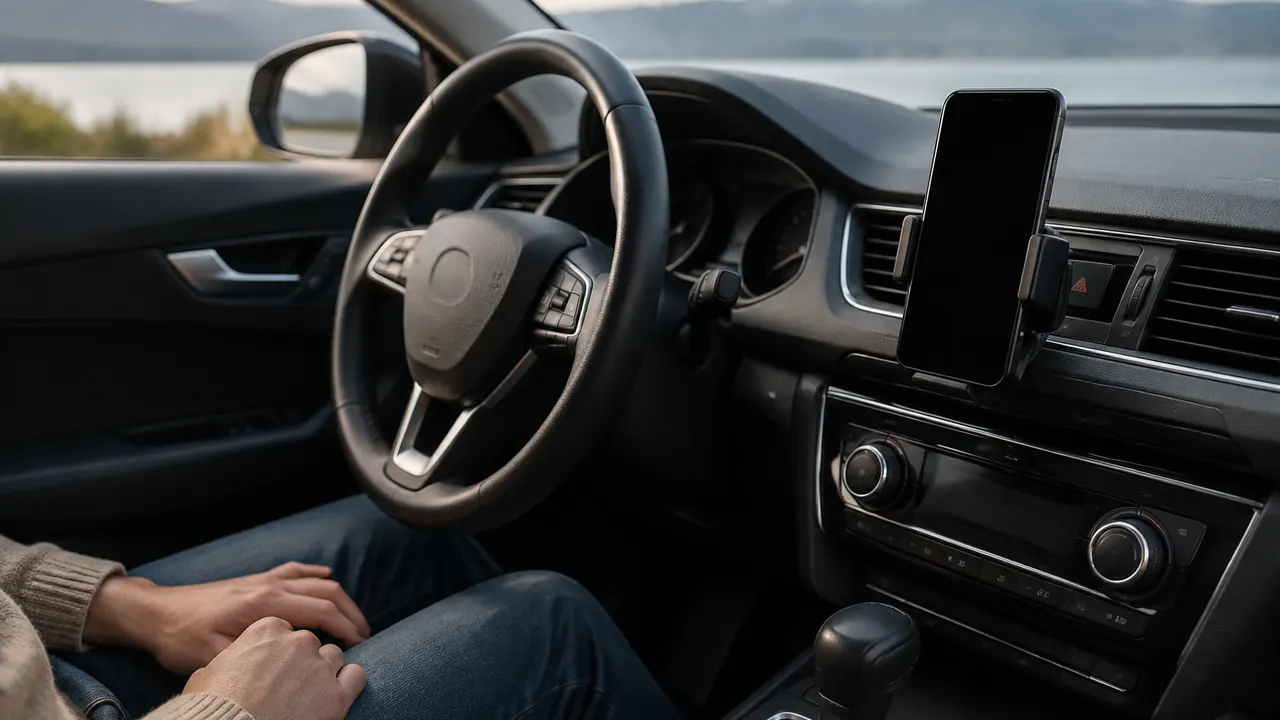
Letting your car insurer track your driving can be a reasonable trade: You share information about how, when or how much you drive in exchange for a chance at a better price. But a telematics offer is not automatically a discount program. Depending on the insurer, product and state, your results may produce savings, no savings or a higher premium. An enrollment discount also may disappear even if your driving does not trigger a surcharge.
For shoppers weighing these programs in 2026, the key question is not simply whether they consider themselves safe drivers. It is whether the tracking method fits their household, whether the data collection feels acceptable and whether the pricing rules are clear. Before enrolling, compare the app or device requirements, the process for fixing wrongly assigned trips and the consequences of a poor score.
1. Know which kind of tracking you are buying
App-based programs generally use smartphone sensors and permissions to recognize trips and evaluate driving. Some pair the phone with a small vehicle tag or beacon, which helps identify the insured car. Plug-in programs use a device connected to a compatible vehicle's diagnostic port, usually beneath the dashboard. Other programs obtain information through a vehicle's built-in connectivity; that is a separate arrangement worth asking about.
Neither format is automatically more accurate or more private. A phone travels with its owner, so an app may record passenger rides or transit trips. A plug-in device follows the vehicle but may not know who is driving. Hardware capabilities differ, and a plug-in device should not be assumed to lack location tracking. Ask which measurements actually affect pricing, rather than treating every data point collected as a scoring factor.
Also distinguish behavior-based insurance from pay-per-mile coverage. Some products price mileage, others assess driving behavior, and some combine both. An apparently attractive daily rate or base premium may not represent the complete bill. Request an estimate using your realistic mileage and confirm whether the offer replaces your existing policy or adds a rating feature to it.
| Question | Phone app | Plug-in device |
|---|---|---|
| What carries the tracker? | The driver's phone, sometimes paired with a tag | The insured vehicle's diagnostic port |
| Common setup needs | Compatible phone, permissions and reliable background operation | Compatible vehicle and properly installed hardware |
| Likely attribution issue | Passenger, transit or other-car trips | Different people driving the same car |
| Phone-use measurement | May detect handling or interaction | Do not assume it measures phone use without a companion app |
| Privacy check | Review app permissions and data-sharing terms | Review device capabilities and data-sharing terms |
2. Find out what your driving score measures
Common measures include hard braking, rapid acceleration, speed, mileage and driving time. Certain app programs also evaluate phone interaction. The definitions matter: A late-night window, a speeding threshold or a phone-use event is a program rule, not a universal insurance standard. Some insurers provide a consumer score that simplifies a more complicated rating calculation.
Your circumstances can matter as much as your intentions. A night-shift worker may routinely drive during hours a program treats as higher risk. A caregiver may accumulate mileage through necessary appointments. Heavy traffic creates more braking opportunities than an open highway. Ask whether the program evaluates total events, events relative to mileage or another measure; do not assume occasional unpleasant trips will average out.
A hard stop can be the safest response to a hazard, but the sensor may still register it. Never roll through a stop, delay braking or avoid an emergency maneuver to protect a score. Use feedback to identify patterns only when doing so is consistent with safe driving.
- Request the current list of scored behaviors, including any time-of-day or road-type factors.
- Ask whether mileage affects the score, the premium separately or both.
- Check whether phone handling by a passenger can create an event and whether it is reviewable.
3. Read permissions as carefully as the discount offer
An app may need background location, motion or fitness access, Bluetooth and other permissions to capture trips reliably. Permission names differ across phone operating systems. Battery optimization can interrupt collection, and operating-system updates can change settings. Ask what happens if tracking stops: Missing data might delay qualification, remove a participation discount or trigger another consequence under the terms.
Separate device access from the insurer's rights to use information. A location permission explains what the app can access; it does not fully explain who receives the resulting records or how long they remain stored. Read both the program agreement and privacy notice, including any separate notice from the telematics vendor. Driving histories can reveal sensitive routines even when the policyholder sees only a summary.
Do not assume deleting the app deletes previously collected data or ends enrollment. Ask how to withdraw, whether deletion requests are available and what records the insurer retains for legal, regulatory or business purposes. If other household members drive, discuss collection with them before installing hardware or enrolling their phones.
- Identify the insurer, technology vendor and other categories of recipients.
- Check permitted uses beyond pricing, such as claims handling, fraud detection or research.
- Look for retention rules, deletion options and any sale, advertising or sharing opt-outs.
- Confirm whether withdrawing consent changes coverage, eligibility or discounts.
4. Test the trip-correction process early
Trip attribution is a practical weak point, especially with phone apps. You may ride with a friend, take a bus or lend your phone to someone in the passenger seat. Some programs let you label yourself as a passenger or identify another travel mode. Others restrict edits, classify trips automatically or require support to resolve errors. A correction tool is useful only if you understand its limits.
During the first weeks, review recorded trips frequently while you still remember them. Check who was driving, which vehicle was involved and whether the trip belongs in the program. Save relevant screenshots and support confirmations without handling the phone while driving. If an error affects pricing, ask for a written explanation of whether correcting the trip changes the score and the eventual premium.
Do not confuse trip correction with event removal. A program may let you exclude a passenger ride but refuse to erase hard braking during a genuine driving trip. Legitimate corrections are different from relabeling unfavorable trips to improve a score.
- What is the correction deadline, and does it run from the trip or its appearance in the app?
- Can you correct driver identity, travel mode and individual events?
- Are edits limited, reviewed or unavailable after the monitoring period closes?
- How are shared-car trips and trips by unenrolled drivers handled?
5. Verify whether the result can raise your premium
Start with the exact program offered on your policy, not a national advertising page. Ask for the state-specific terms, applicable policy documents and a written explanation of the pricing mechanism. A program name may cover different versions, and availability or surcharge rules can differ by state. Online accounts from other drivers are not a substitute for your contract.
Ask this directly: Can my driving data cause a surcharge or otherwise increase my premium compared with the same policy without this program? Then ask whether an initial participation discount can be reduced or removed. A discount-only arrangement can still produce a higher renewal bill when introductory savings expire. Separately, ordinary rate changes, vehicle changes or claims can increase the total bill even when telematics earns a discount.
Have the insurer identify when the result takes effect, which coverages it affects, how long it lasts and whether subsequent monitoring can change it. Ask what happens if you leave after a poor result: Withdrawal may not immediately erase an already established rating effect. If the explanation conflicts with your documents, request clarification from the insurer and contact your state insurance department about applicable rules before relying on a promise.
6. Compare the full cost, not the biggest advertised savings
Obtain a quote without tracking alongside the telematics offer, using matching coverage limits, deductibles and drivers. Compare both with competing insurers. A large potential discount does not necessarily beat another company's ordinary price. Treat an advertised maximum as a ceiling, not your expected outcome, and ask which charges or coverages are excluded from the discount.
Separate guaranteed introductory savings from the uncertain price after evaluation. Request dollar illustrations for a favorable result, no earned discount and, where permitted, an unfavorable result. The insurer may not be able to predict your eventual score, but it should explain the structure. Keep the quote and enrollment terms so you can compare them with the renewal notice.
Include practical costs and obligations. Ask about mobile data use, device fees, return deadlines and charges for unreturned hardware. Confirm the required monitoring period, minimum mileage and whether every listed driver must participate. A household with an incompatible phone or an infrequently driven car may struggle to meet requirements even when everyone drives carefully.
7. Enroll only with a clear exit plan
Telematics is most appealing when the rules match your routine, the potential savings justify the privacy trade-off and you can reliably maintain the equipment or app. It is less appealing when unavoidable driving patterns are penalized, corrections are difficult or the insurer cannot clearly explain the downside. Declining tracking is a reasonable choice, not an admission of unsafe driving.
Before agreeing, save the documents, note the cancellation and correction deadlines, and confirm whom to contact about missing or inaccurate trips. Set a reminder to inspect the first records and another to review the renewal offer. If you switch insurers, coordinate the replacement policy before canceling existing coverage so you do not create a lapse.
The strongest offer is not necessarily the one promising the biggest discount. It is the one whose data collection, scoring, correction procedures and state-specific pricing consequences you understand well enough to accept.
Program terms, prices and state requirements can change; verify the current documents for your policy and ask your state insurance department about unresolved regulatory questions.
AI Assistance Used — AI assistance was used in researching and drafting this article. It was reviewed, edited, and fact-checked by Nadia Clarkson before publication.