What Basic Car Insurance Covers—and What It Leaves Out
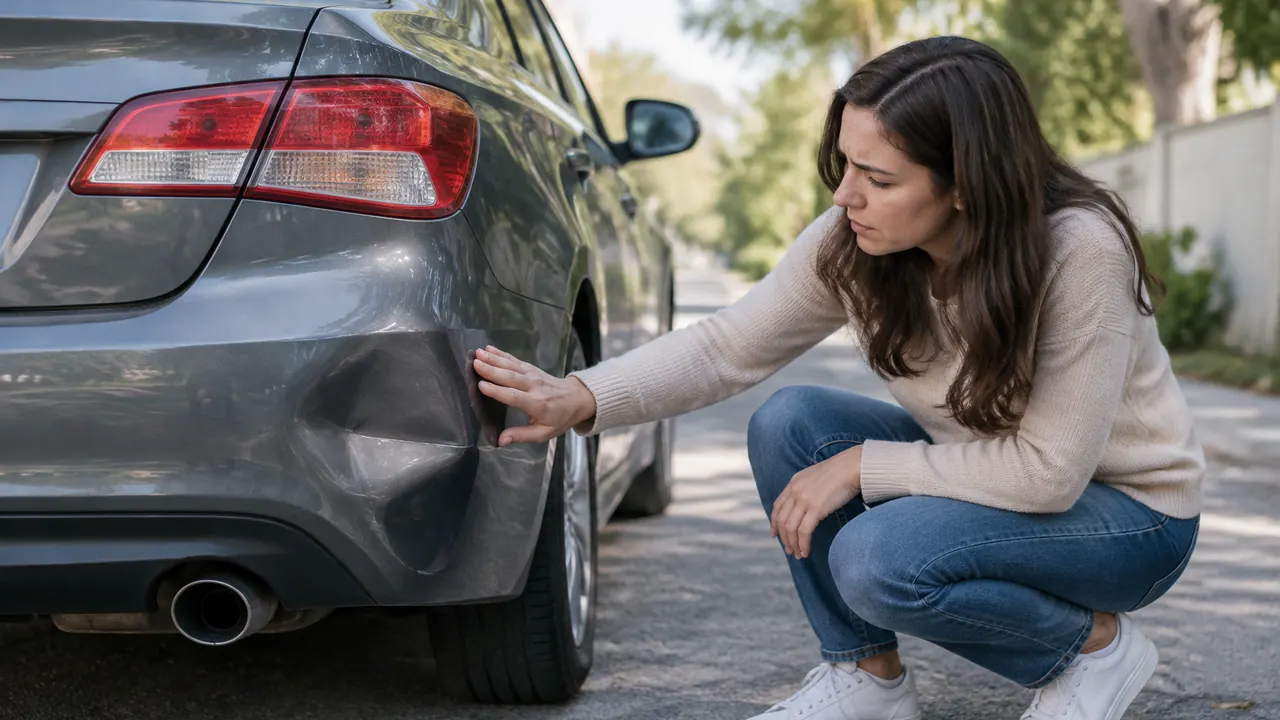
You back into a neighbor’s fence, discover a cracked windshield or get rear-ended by someone without insurance. All three are car insurance problems, but they do not necessarily trigger the same coverage. A policy can pay for one loss and leave you responsible for another, even when you bought what someone called “full coverage.”
For drivers shopping in 2026, the starting point is understanding the coverage categories, not the package name. State-required insurance generally sets a legal floor, not a promise that your car, medical bills and savings are protected against every crash. Your declarations page lists the coverages, limits and deductibles you purchased; the policy and endorsements explain the conditions and exclusions.
1. Basic insurance is a legal starting point, not a standard package
“Basic” has no single nationwide meaning. It often refers to the minimum insurance required where a vehicle is registered, usually including liability coverage. Depending on the state, required protection may also include personal injury protection or uninsured motorist coverage. Some coverages must be offered but can be rejected under state-specific rules. Check your state insurance department’s current requirements rather than relying on an old minimum-limit chart.
“Full coverage” is not a standardized policy either. People commonly use it to mean liability plus collision and comprehensive, but that combination does not automatically include rental reimbursement, roadside assistance or every medical benefit. A lender or leasing company typically requires collision and comprehensive to protect the financed vehicle. Those requirements are separate from the state’s rules, and satisfying both still does not guarantee enough protection for a serious loss. When comparing quotes, ask for the same limits, deductibles and optional coverages on each one. Otherwise, a cheaper quote may simply transfer more risk to you. This distinction matters whether you drive a paid-off older sedan or a newer vehicle with a loan.
| Coverage | Everyday example | Main limitation |
|---|---|---|
| Liability | You hit another driver’s car | Does not repair your own car |
| Collision | You slide into a guardrail | Deductible and vehicle value limit payment |
| Comprehensive | A fallen tree damages your parked car | Does not cover ordinary wear |
| Uninsured motorist | An uninsured driver injures you | Injury and property protection differ |
| PIP or MedPay | You need treatment after a crash | Benefits depend on coverage and state rules |
2. Liability pays others when you are legally responsible
Liability insurance generally pays covered claims for injuries or property damage you cause while using an insured vehicle. Bodily injury liability can cover another person’s medical expenses, lost income and other legally recoverable damages. Property damage liability can pay for another vehicle, a fence or a damaged storefront. The insurer also generally provides a legal defense for covered liability claims, subject to policy terms. Liability is not coverage for your own injuries or car repairs.
Imagine you cause a crash that damages two vehicles and injures several people. A state-minimum policy can meet the law yet run out before the covered claims are paid. Amounts beyond the applicable limits may become your personal responsibility. That is why minimum requirements should not be mistaken for a recommendation tailored to your assets, income or driving exposure.
- A hypothetical 25/50/25 policy means $25,000 in bodily injury coverage per person, $50,000 per accident and $25,000 for property damage per accident.
- The per-person injury limit still applies even when the accident limit has money remaining. Property damage uses its own limit.
- Those figures are an illustration, not a statement of your state’s minimum. Some policies instead use a combined single liability limit.
3. Collision repairs your car after a crash, with limits
Collision coverage generally pays for damage to your vehicle from hitting another car or an object, or from rolling over. If you slide into a guardrail, liability may address the guardrail while collision addresses your car. Collision can also be useful when another driver caused the accident but responsibility is disputed or their insurer has not paid. Your insurer may then pursue reimbursement from the responsible party; recovery of your deductible is not guaranteed.
You normally pay the collision deductible for a covered claim. With a $1,000 deductible and $4,000 in covered repairs, the insurer generally pays $3,000. If the car is totaled, a standard policy generally bases payment on actual cash value immediately before the loss, less the deductible, rather than the cost of a brand-new replacement. Your loan balance does not determine that value. Before dropping collision on an older car, compare its likely value, the premium and deductible, and whether you could afford a replacement without an insurance payment. If you still finance or lease it, check your contract before changing coverage.
4. Comprehensive covers many noncollision losses, not everything
Comprehensive, sometimes labeled “other than collision,” generally covers theft, fire, hail, vandalism, falling objects, flood damage and contact with animals. If a tree limb lands on your parked sedan, comprehensive is the usual coverage to examine. If you hit a deer, that typically falls under comprehensive too; swerving to miss the deer and hitting a pole generally falls under collision. The circumstances of the damage matter more than whether you were driving.
Comprehensive usually has a deductible separate from collision’s, and a totaled vehicle is generally settled using actual cash value. Glass treatment varies by state and policy: windshield repair or replacement may have different deductible rules or require an optional glass endorsement. Do not assume the word “comprehensive” means every problem with the car is insured. It covers specified risks, not a general maintenance plan.
- A stolen car may qualify; a laptop stolen from inside generally belongs under renters or homeowners coverage, subject to its terms and deductible.
- Worn tires, routine breakdowns and mechanical failure alone generally are not covered by standard comprehensive or collision insurance.
- Flood damage may be covered, but do not restart a submerged vehicle. Avoid further damage and contact the insurer for instructions.
5. Uninsured motorist protection fills a different gap
Uninsured motorist bodily injury coverage generally helps with covered injuries when an at-fault driver has no applicable liability insurance. Underinsured motorist coverage can help when the responsible driver’s insurance is insufficient, subject to your policy and state rules. Depending on the coverage, benefits may include medical expenses, lost wages and other damages. These protections may extend to passengers or household members in specified circumstances, but who qualifies as an insured needs checking.
Suppose an uninsured driver rear-ends you and sends you to urgent care. Uninsured motorist bodily injury coverage may address the injury claim, but it does not automatically fix the bumper. Uninsured motorist property damage is a separate protection, available or required only in some states, with its own limits, eligibility rules and sometimes a deductible. Collision may provide another route for covered vehicle repairs. Hit-and-run coverage is especially state- and policy-dependent: reporting deadlines, evidence requirements or physical-contact rules can affect a claim. Ask whether your quote includes uninsured and underinsured motorist protection for injuries, property damage or both. Also ask how your limits interact with the other driver’s coverage; underinsured benefits are not always a simple extra amount added on top.
6. Medical coverage can pay without waiting for fault
Personal injury protection, or PIP, generally pays specified benefits for covered injuries regardless of who caused the crash. It is associated with no-fault insurance systems, although availability and requirements vary. Depending on state law and the policy, PIP can cover medical expenses, some lost income, replacement services such as household help, and funeral expenses. Limits, deductibles, treatment requirements and deadlines can significantly affect what it pays.
Medical payments coverage, usually called MedPay, generally covers reasonable and necessary medical expenses and often funeral expenses for covered people, regardless of fault. It typically does not offer PIP’s broader wage-loss or household-service benefits. Neither should be treated as interchangeable with health insurance or bodily injury liability. After a crash, coordination rules determine which coverage pays first and whether reimbursement obligations apply. Ask both the auto and health insurers how the policies work together before assuming one makes the other unnecessary.
- If you cause a crash and need treatment, your bodily injury liability generally will not pay your own medical bills; PIP or MedPay may help.
- If you miss work, check whether PIP includes wage benefits, what percentage it pays and any dollar or time limits.
- Identify who is covered, including passengers, and report injuries promptly rather than waiting for a fault decision.
7. Check the gaps before choosing a price
Even a policy with all the main coverage categories can leave everyday expenses unpaid. Rental reimbursement is typically optional and usually applies only when a covered loss puts your vehicle out of use, with daily and total limits. Roadside assistance is separate from repairing crash damage. Gap coverage can address a qualifying difference between a vehicle’s value and the loan or lease balance after a covered total loss, but exclusions can leave some charges unpaid.
Before renewing, review who drives the car, where it is kept and how it is used. Delivery work, rideshare driving or other business use may require an endorsement or separate policy; a personal policy can restrict that activity. Disclose household drivers and ask about exclusions. Then compare liability limits, uninsured motorist protection, medical benefits and deductibles you could pay tomorrow. The useful question is not “Do I have full coverage?” It is “If this particular loss happened, which coverage would pay, up to how much, and what would I owe?”
Coverage requirements, policy terms and prices vary and can change; verify current details with your state insurance department and a licensed insurance professional before buying or changing coverage.
AI Assistance Used — AI assistance was used in researching and drafting this article. It was reviewed, edited, and fact-checked by Leah Fornier before publication.