Buying a Refurbished Phone Without Getting Burned
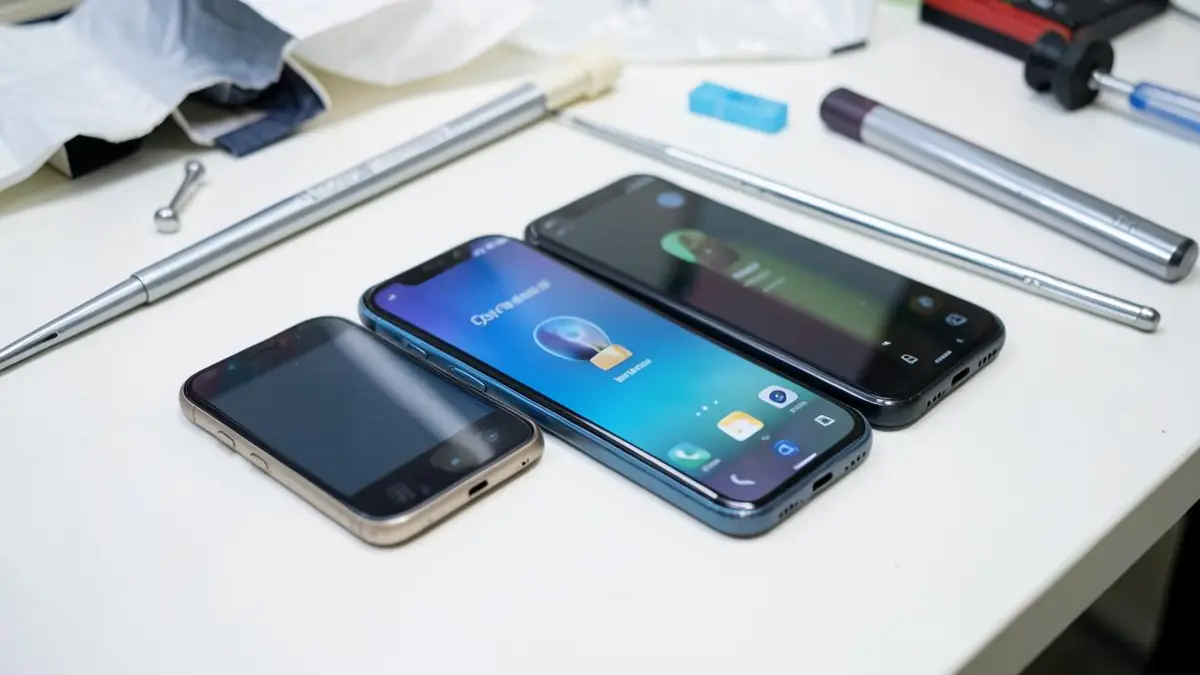
A refurbished phone can be one of the better deals in consumer electronics. A device two generations old often does everything most people need, at half the price, with the worst of the depreciation already absorbed by somebody else.
It can also be a returned handset that was wiped, wiped again, and put back in a box. The word refurbished carries no fixed legal definition in most markets, so the protection you get comes from the seller's specific promises rather than the term itself.
Who refurbished it matters most
Manufacturer-refurbished stock is generally the safest: original parts, a full functional test, a new battery in many programmes, and a warranty comparable to new. Network and large-retailer programmes sit close behind, with published grading standards and returns.
Marketplace listings from unnamed sellers are a different product entirely. They may be excellent, but you are buying the seller's judgement without any way to inspect it, so price it accordingly and pay through a method with buyer protection.
Grades describe looks, not health
Grade A, B, and C language almost always refers to cosmetic condition — scratches, scuffs, and screen marks. It tells you very little about the battery, the charging port, or how many times the device has been opened.
If you intend to use a case, a lower cosmetic grade is often the best value in the listing, provided the functional guarantees are the same. Read what is promised about function separately from what is promised about appearance.
Battery health is the real depreciation
A phone battery degrades with charge cycles and heat, and a three-year-old handset with its original cell may hold a fraction of its original capacity. Ask for the battery health figure the device reports, and treat anything below the mid-eighties as a battery replacement you will pay for soon.
Some sellers replace the battery as standard and say so. That claim is worth a meaningful premium, because a fresh cell restores most of the practical difference between an old phone and a new one.
Check the software support window
Every phone has a date after which it stops receiving security updates. That date, not the hardware, usually decides how long the device is sensible to use, particularly if you bank on it.
Manufacturers publish support policies by model. Before buying, look up how long the specific model is committed to receiving updates and subtract the time already elapsed. A cheap handset with a year left is not cheap.
Locks, blacklists, and paperwork
Check that the device is not network-locked unless you intend to use that network, and confirm it is not reported lost or stolen. Handset checking services let you verify the identifier before money changes hands, and any seller unwilling to provide it has answered the question.
Make sure activation locks tied to the previous owner's account have been removed. A phone still linked to somebody else's account is unusable, and there is no workaround.
The first hour after it arrives
Before transferring anything, run through the basics: both cameras, every speaker and microphone, the charging port, wireless charging, each button, the fingerprint or face sensor, mobile data with your own card, and a call at both ends.
Note the return window and test within it. Most faults that appear at all appear in the first fortnight, and the whole value of buying from a graded seller lies in sending it back inside that period rather than after it.
Warranty terms, grading standards, and software support dates vary by seller and model. Verify the specifics before you buy.
AI Assistance Used — AI assistance was used in researching and drafting this article. It was reviewed, edited, and fact-checked by Leah Fornier before publication.