Bulk Buying Without Wasting Money: A Practical Method
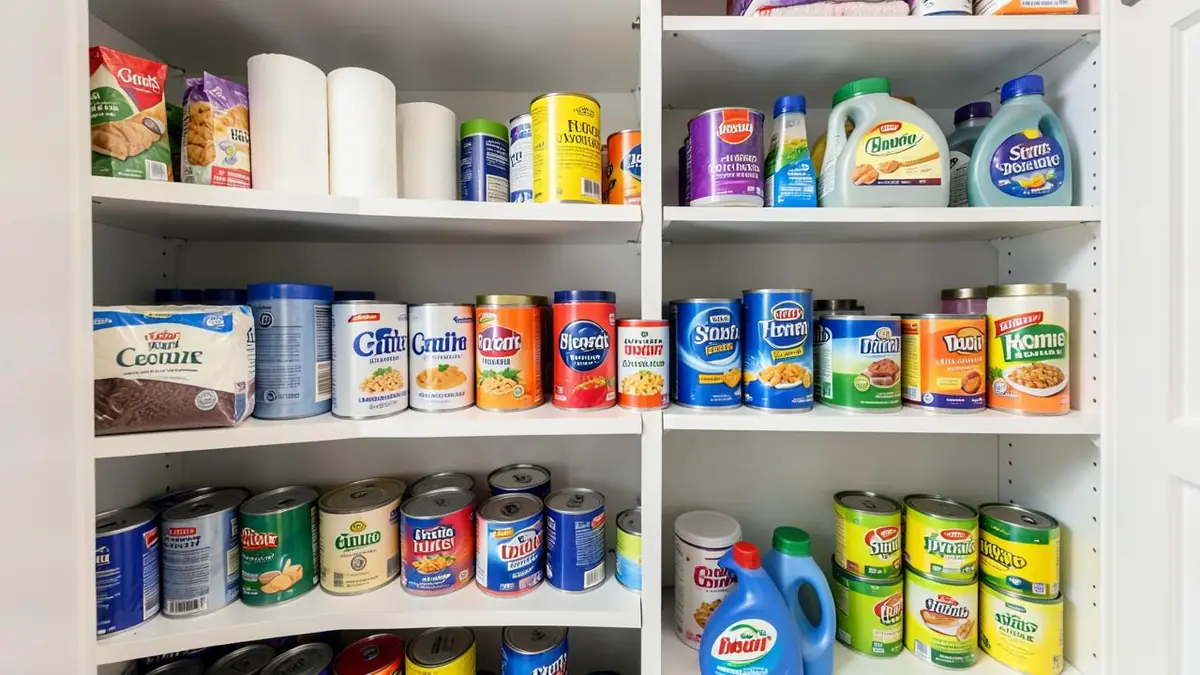
Bulk buying has an intuitive appeal that survives almost no scrutiny. The bigger pack is cheaper per unit, so the bigger pack must be the better decision. In practice, households routinely spend more by buying large, because the saving is real only when the product is used before it degrades and stored somewhere that costs nothing.
A simple three-question filter, applied at the shelf, sorts the genuine savings from the expensive habit. It takes about fifteen seconds per item and changes what a monthly shop looks like.
Question one: what is the real unit price?
Shelf labels usually carry a unit price, but the units are inconsistent — per hundred grams here, per item there, per litre elsewhere. Comparing a bulk pack against a standard one often requires a quick calculation rather than a glance.
The saving on a large pack is frequently smaller than assumed, in the range of five to fifteen per cent rather than the half-price impression the packaging creates. On promoted small packs, the bulk option is sometimes more expensive per unit outright.
Question two: how fast do you actually use it?
Divide the pack size by weekly consumption. If the answer is more than about six months for a food product, the risk of waste starts to outweigh the discount, and waste is not a partial loss — it is the full price of everything thrown away.
Households consistently overestimate consumption of speciality items and underestimate it for staples. Checking a receipt history for a month is more reliable than a guess and usually produces a surprise in both directions.
Question three: where will it live?
Storage is not free. Twelve rolls of kitchen towel occupy space that has a cost, whether that cost is rent, clutter, or the meal you cannot prepare because the counter is stacked.
Products stored badly also degrade faster. Cooking oil near a hob, flour in a warm cupboard, and batteries in a damp garage all lose value quickly enough to erase the discount that justified the purchase.
The categories that reliably pay
Non-perishable cleaning products, toilet and kitchen paper, laundry detergent, pet food for a large animal, and dry staples such as rice, pasta, and oats generally survive all three tests for most households.
They share a profile: long shelf life, steady consumption, tolerant of imperfect storage, and rarely subject to changing taste. That profile, rather than the size of the discount, is what makes them work.
The categories that usually do not
Fresh produce, dairy, bread, cooking oils, spices, sunscreen, and anything with an active ingredient that degrades all tend to lose the argument. So does anything a household might get bored of, which covers most snack foods.
Bulk cosmetics and supplements deserve particular caution, since both carry expiry dates that matter and both are frequently bought in optimistic quantities during a change in routine that does not last.
Build a stock list, not a stockpile
Keep a short written list of the ten or twelve items your household buys in bulk, with the pack size and the price you consider good. That converts bulk buying from an impulse into a plan, and it makes genuine promotions obvious.
Rotate stock so the oldest pack is always at the front, and check the reserve shelf once a month. Most bulk waste happens because something was bought again while a forgotten pack sat behind it.
Prices, pack sizes, and promotions vary widely by retailer and season. Compare unit prices at the time of purchase.
AI Assistance Used — AI assistance was used in researching and drafting this article. It was reviewed, edited, and fact-checked by Leah Fornier before publication.