Bleeding Gums Are Not a Reason to Stop Cleaning Between Teeth
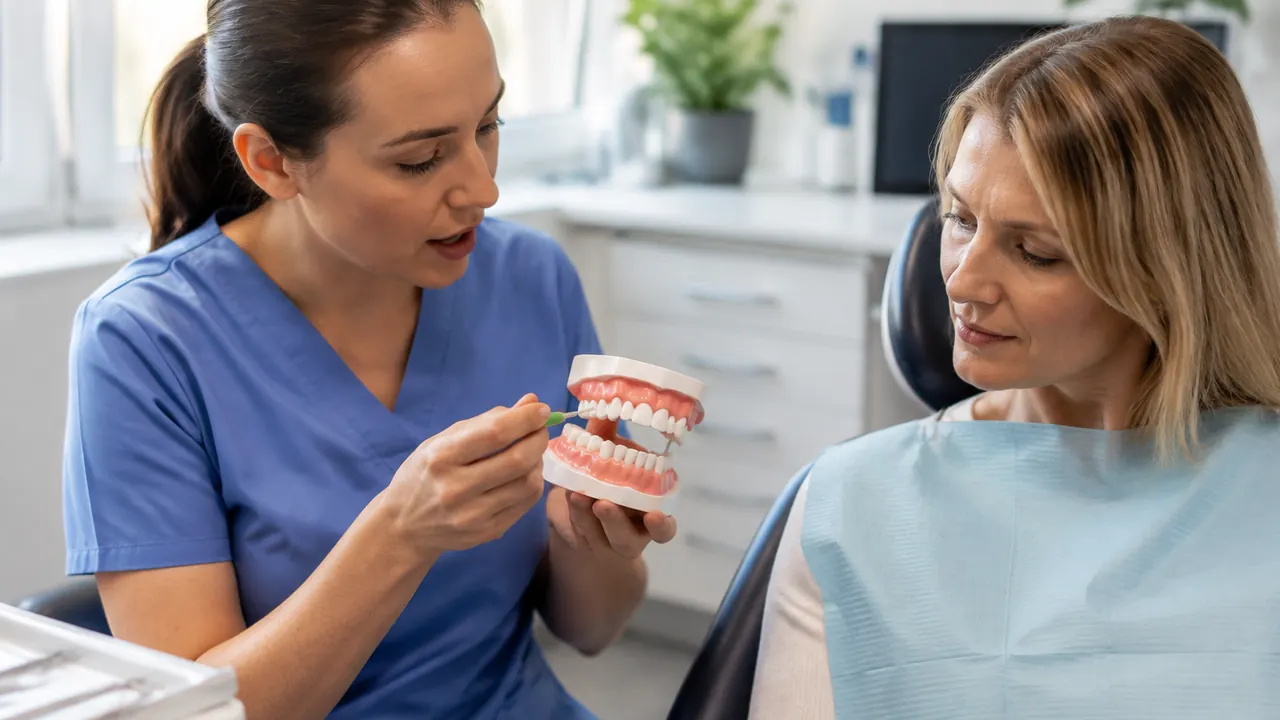
Seeing pink in the sink can make cleaning between your teeth feel like the problem. Often, though, the bleeding comes from gums already inflamed by plaque, the sticky film of bacteria that collects along the gumline and between teeth. Avoiding those areas leaves the buildup undisturbed. The practical response is usually gentler, consistent cleaning and a dental assessment when bleeding persists, rather than abandoning the habit.
For 2026, the basics remain straightforward: Brush twice daily with fluoride toothpaste and clean between teeth daily using a tool you can handle comfortably. Bleeding alone cannot tell you whether you have reversible gum inflammation, deeper disease or an unrelated health issue. Its pattern, associated symptoms, medications and your dental history all matter. Heavy bleeding, significant swelling or feeling unwell calls for a different response than a faint pink streak after restarting floss.
Why gums bleed during cleaning
Plaque-related inflammation is a common explanation. When plaque stays near the gumline, the tissues can become swollen, tender and easier to bleed. Mineralized buildup, called tartar or calculus, creates another surface where plaque can collect. You cannot reliably remove tartar with home tools; it needs professional cleaning. A toothbrush also cannot adequately reach every surface where adjacent teeth meet.
Not every episode means gum disease. Snapping floss into the gums, forcing an oversized brush through a space or scrubbing aggressively can injure tissue. Food trapped between teeth, an awkward filling edge or an appliance that rubs may cause localized irritation. Hormonal changes, including pregnancy, can increase the gums’ inflammatory response to plaque. Dry mouth can make maintaining oral health harder, too.
- Bleeding across several areas, especially with redness or puffiness, makes plaque-related inflammation a concern, but an examination is needed.
- Bleeding repeatedly at one spot deserves attention for trapped food, injury, decay or a problem around a restoration.
- Bleeding without touching the gums, or bleeding accompanied by symptoms elsewhere, needs more than a change of cleaning tool.
- Smoking can mask visible gum bleeding. A lack of blood does not prove your gums are healthy, particularly if you smoke.
Gingivitis and periodontitis are not the same
Gingivitis is inflammation confined to the gums without the loss of the supporting attachment and bone that defines periodontitis. It can often be reversed with effective daily plaque removal and appropriate professional cleaning. Bleeding is a frequent warning sign, but the gums may not hurt. Waiting for pain can allow a treatable problem to remain unnoticed.
Periodontitis is more advanced gum disease involving damage to the tissues and bone supporting teeth. Spaces between the teeth and gums may deepen into periodontal pockets, where home cleaning cannot fully reach. Recession, persistent bad breath, pus, shifting teeth or looseness can occur, although early disease may have few obvious symptoms. Gingivitis does not inevitably progress, but it should not be ignored.
A dentist or hygienist distinguishes these conditions by examining the gums, measuring around teeth and checking for attachment loss; X-rays may be needed to assess bone levels. Bleeding alone, or a single pocket measurement, does not establish the diagnosis. Periodontitis can often be controlled, but routine home care does not simply replace lost support. Treatment may include cleaning below the gumline, closer maintenance visits and, in some cases, specialist care. Ask what your findings mean and whether your cleaning schedule needs to change.
Choose the tool that fits your spaces
The best device is one that suits your mouth and that you will use correctly. Floss works well through tight contacts; interdental brushes are often useful for open spaces, including those created by recession. Water flossers can help people who struggle with string floss or have braces, bridges or limited hand dexterity. Some mouths need a combination rather than one product everywhere.
For 2026 shoppers, powered features and app connections are not the deciding factors. Consider access, comfort, replacement supplies and whether you can control the device without injuring your gums. A water flosser can reduce gingival inflammation when used appropriately, but it does not remove tartar or eliminate professional treatment. Ask your dental team to demonstrate a technique around any implants or complex restorations.
- Choose floss or tape that passes the contact comfortably; fraying or catching repeatedly warrants a dental check.
- Have interdental brush sizes fitted if possible. Different gaps may need different sizes, and a brush should never require force.
- Pick a water flosser you can fill, grip and clean easily. Check ongoing tip costs and the manufacturer’s cleaning instructions.
- If arthritis or coordination makes cleaning difficult, ask about floss holders, long-handled brushes or other adaptive options.
| Tool | Often useful for | Main caution |
|---|---|---|
| String floss or dental tape | Tight contacts between teeth | Snapping into the gums can cut tissue |
| Interdental brush | Open spaces and accessible areas around appliances | An oversized brush can injure gums; fit matters |
| Water flosser | Dexterity challenges and cleaning around appliances | Use suitable pressure; it cannot remove hardened tartar |
Keep cleaning, but change a rough technique
With floss, ease through the contact rather than pushing suddenly. Curve it into a C against one tooth, move gently along that tooth’s side and slightly beneath the gum edge, then repeat against its neighbor. Do not saw into the little triangle of gum between them. Clean behind the last tooth where accessible. A hygienist can show you how this should feel.
With an interdental brush, insert it gently through the space and move it back and forth without forcing the wire against a tooth or gum. With a water flosser, start at a comfortable low setting and guide the stream along the gumline and between teeth according to its instructions. Do not aim high pressure into a painful wound or improvise deep-pocket treatment.
A little bleeding from inflamed gums may improve over several days and should generally trend down with consistent, gentle care. That is not a promise or a reason to tolerate injury. Arrange a dental appointment if bleeding continues beyond about one to two weeks, recurs frequently or is worsening; seek care sooner for other concerning symptoms. If a tool causes sharp pain, stop forcing that spot and get advice rather than repeatedly traumatizing it.
Know when dental care cannot wait
You do not need to complete a home-care trial before contacting a dentist. New or recurrent bleeding is worth mentioning, especially if you are overdue for an examination, have previous periodontitis or notice a change around an implant. Tell the office when it started, whether it happens spontaneously and whether there is pain, swelling, pus or a loose tooth. Those details help staff prioritize care.
For a small, accessible bleeding spot, apply steady pressure with clean gauze while seeking advice if needed. Avoid repeatedly lifting it to check. Bleeding that is heavy or will not settle with sustained pressure needs urgent assessment, especially if you take medicine that affects clotting. Do not spend hours trying different cleaning devices to fix it.
- Arrange a prompt dental visit for persistent bleeding, recession, ongoing bad breath, painful chewing or a newly loose adult tooth.
- Seek urgent dental care for pus, substantial localized swelling, severe pain or fever with dental symptoms.
- Go to emergency care for trouble breathing or swallowing, rapidly spreading facial or neck swelling, or significant uncontrolled bleeding.
- Get an unexplained mouth sore, red or white patch, or lump checked if it lasts about two weeks; do not assume it is gingivitis.
Review medicines and symptoms beyond the mouth
Anticoagulants such as warfarin or apixaban, and antiplatelet medicines such as aspirin or clopidogrel, can make bleeding more noticeable or prolonged. They do not rule out plaque-related inflammation happening at the same time. Never skip or stop a prescribed medicine on your own because your gums bleed, including before a dental appointment. Any change should be coordinated with the prescribing clinician.
Bring a complete list of prescriptions, nonprescription pain relievers and supplements. Some medicines, including certain calcium channel blockers, phenytoin and cyclosporine, can cause gum enlargement that makes cleaning harder. Others contribute to dry mouth. Your dental and medical teams can review timing, possible alternatives and ways to manage the oral effects without compromising treatment for another condition.
Bleeding gums together with unexplained bruising, frequent nosebleeds, unusually heavy menstrual bleeding, pinpoint skin spots, persistent fatigue or fever warrants medical assessment as well as dental care. Blood disorders, nutritional deficiencies and other illnesses are less common explanations but may need investigation. Testing should follow your symptoms and examination, not an assumption that everyone needs bloodwork or vitamins. Diabetes also matters: Poorly controlled blood sugar can make periodontal disease harder to manage, and gum disease can complicate glucose management. Tell your dentist about diabetes and changes in control.
Build a routine you can maintain
Choose a daily cue, such as your evening toothbrushing, for cleaning between teeth. The order matters less than doing both thoroughly. Use a soft-bristled toothbrush, gentle pressure and fluoride toothpaste. If your gums are tender, ask for a technique check instead of switching to aggressive scrubbing or relying on mouthwash to do the cleaning.
Track whether bleeding is becoming less frequent, staying the same or worsening, and share that pattern at your appointment. Follow any personalized instructions after dental surgery rather than this general routine. Ask your dental team which spaces need floss, which need brushes and whether a water flosser would help. The goal is not to ignore blood: It is to remove irritation safely, identify disease early and get treatment when daily cleaning cannot solve the problem.
This article provides general information; consult a dentist or medical professional for advice based on your symptoms, medications and health history.
AI Assistance Used — AI assistance was used in researching and drafting this article. It was reviewed, edited, and fact-checked by Lisa Barber before publication.