Batch Cooking That Does Not End in Wasted Containers
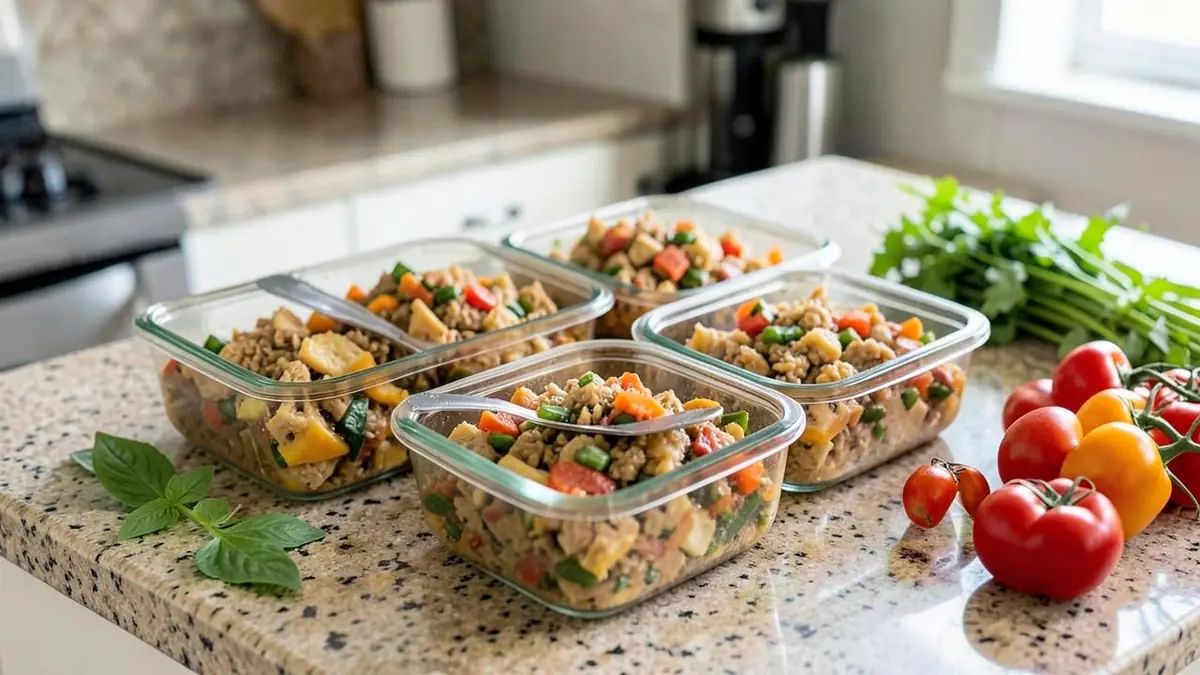
Batch cooking is usually presented as a Sunday of labour producing a fridge of identical boxes. That version works for a week or two and then stops, because eating the same meal five times is unpleasant and everybody knows it by Wednesday.
The more durable approach is to cook components rather than meals, so a few hours of work supports a week of different plates instead of one repeated one.
Cook components, assemble meals
A pot of grains, a tray of roasted vegetables, a batch of beans or lentils, a cooked protein, and one good sauce will combine into a week of visibly different meals.
The variety comes from assembly and finishing — herbs, acid, a different dressing, a fried egg — rather than from cooking five separate recipes. This is also how most professional kitchens operate.
Know what freezes and what does not
Soups, stews, curries, cooked pulses, sauces, and most braised meats freeze and reheat well. Rice freezes acceptably if cooled quickly and reheated thoroughly.
Leafy salads, cream-based sauces, potatoes in some preparations, and anything relying on crispness generally do not. Trying to freeze them is the main reason people conclude batch cooking does not work.
Cool it quickly and store it safely
Food safety guidance generally advises cooling cooked food quickly and refrigerating within around two hours. Dividing a large pot into shallow containers speeds cooling considerably.
Cooked rice deserves particular care: cool it fast, refrigerate promptly, keep it no more than a day or so, and reheat until piping hot throughout, reheating once only.
Portion and label properly
Freeze in single portions rather than family blocks. Defrosting a large slab to eat a quarter of it wastes the advantage entirely.
Label everything with contents and date. Unlabelled frozen containers become archaeology within a month, and the eventual outcome is the bin.
Two hours, not a whole day
Overlap tasks: get the oven tray in first, start grains and pulses on the hob while it roasts, and prepare the sauce during the gaps. Most of the cooking is unattended time.
Two focused hours produces the majority of a week's base. Sessions that stretch to five hours are the ones people do not repeat.
Build in escape routes
Plan for fewer meals than the week contains. Leaving two nights unassigned accommodates the reality of eating out, working late, or simply not wanting the plan.
Keeping a couple of genuinely fast fallbacks in the cupboard prevents the collapse where one skipped meal turns into abandoning the whole approach.
Food safety guidance varies by country. Follow your national food standards agency for cooling, storage, and reheating advice.
AI Assistance Used — AI assistance was used in researching and drafting this article. It was reviewed, edited, and fact-checked by Leah Fornier before publication.