Baking Substitutions: What You Can Swap and What Changes the Result
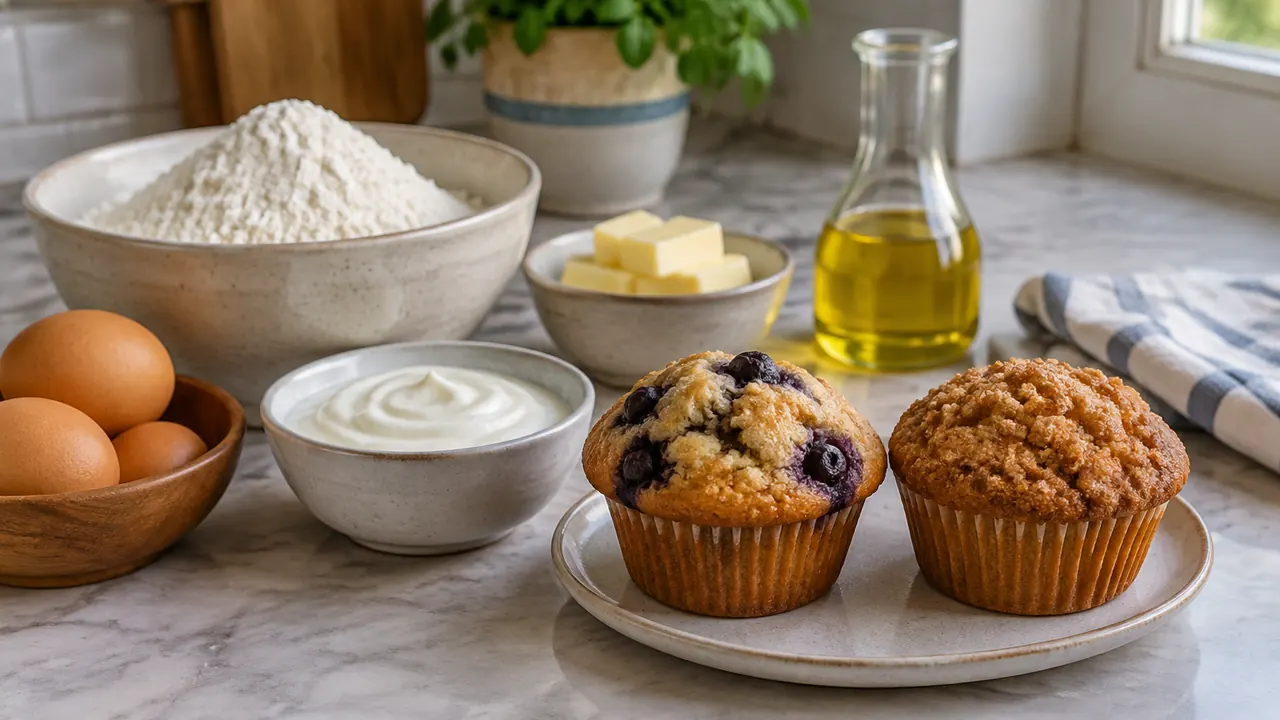
A missing egg or empty milk carton does not always mean abandoning a baking project. Many muffins, pancakes and simple snack cakes can tolerate a sensible substitution. But ingredients do more than contribute flavor: They supply water and fat, bind batter, trap air, set structure and control browning. A replacement that covers one job may leave another undone. Applesauce adds moisture, for example, but it cannot build the same airy structure as whipped eggs.
For occasional bakers in 2026, the growing selection of plant-based drinks, butter alternatives and egg substitutes creates more options, not automatic equivalents. Formulations vary, so the label and the original recipe matter more than a broad promise that something works like dairy or eggs. The safest approach is to identify what the missing ingredient does, make one deliberate change and accept a slightly different result. When that ingredient supplies the recipe’s framework, choose a recipe developed around the replacement instead.
1. Read the recipe before choosing the substitute
Start with the method, not the substitution chart. Instructions to cream softened butter and sugar mean the recipe relies partly on air trapped in solid fat. Instructions to whip eggs until thick or beat whites to stiff peaks signal that eggs are doing structural work. A recipe that simply combines wet and dry ingredients usually offers more flexibility, although its proportions still matter.
Then consider scale. Replacing the only egg in a dozen muffins is generally less risky than replacing four eggs in a sponge cake. A splash of milk is easier to exchange than the main liquid in a custard. Small ingredient changes can also become bigger problems when combined: Swapping eggs, fat and milk together may alter water content, protein and acidity enough that the original baking time no longer fits.
- Usually more forgiving: pancakes, waffles, many muffins and simple oil-based cakes.
- More sensitive: cookies, where fat and water strongly influence spread and chew.
- Choose a tested alternative: soufflés, angel food cake, custards and laminated pastries.
- Check the description: fudgy brownies and cakey brownies do not need the same structure.
2. Egg replacements usually trade lift for moisture or binding
Eggs provide water, protein and, through the yolk, fat and emulsifiers that help water and fat stay mixed. Their proteins set during baking, supporting the crumb. That is why no pantry replacement duplicates every function. In a modest batch of muffins or a simple quick bread calling for one egg, a moisture-and-binding substitute may work well enough. Expect a softer, denser or more fragile result rather than an exact match.
The amounts below are common starting points for replacing one large egg in forgiving recipes, not guarantees. Mix ground flaxseed with water and let it gel before adding it. Fruit purées can introduce sweetness and flavor; banana is especially noticeable. Commercial powdered egg replacers vary, so use their package directions rather than assuming one universal measure. Refrigerated liquid egg alternatives marketed for scrambling are not necessarily interchangeable with baking egg replacers.
- For whipped-egg cakes, use a tested egg-free recipe rather than replacing eggs individually.
- Aquafaba, the liquid from cooked chickpeas, can foam, but needs a suitable recipe for reliable structure.
- Egg-free batter still contains raw flour; do not taste it unless all ingredients are ready to eat.
| Replacement | Common starting amount per egg | Likely change |
|---|---|---|
| Ground flaxseed and water | 1 tablespoon ground flaxseed plus 3 tablespoons water | More binding; denser crumb and possible speckling |
| Unsweetened applesauce | 1/4 cup | Moister, softer crumb with less structural support |
| Mashed ripe banana | 1/4 cup | Denser texture and distinct banana flavor |
| Commercial baking egg replacer | Follow package directions | Performance depends on formulation and recipe |
3. Butter swaps depend on whether the fat must hold air
Butter is roughly 80% fat, with water and milk solids making up most of the rest. Oil is almost entirely fat and stays liquid at room temperature. In a cake that uses melted butter, a neutral oil can often provide tenderness, but it removes butter flavor and changes the balance of fat and water. An oil-based recipe is the more reliable choice when the quantity is large.
For a forgiving muffin or quick bread, about three-quarters as much oil by volume as melted butter is a common starting point, not a precise equivalence. It reduces volume and leaves less water, so the batter may behave differently. Do not apply this shortcut to a recipe that creams butter with sugar. Liquid oil cannot retain those air pockets the same way, and cookies may spread differently or lose their intended texture.
A plant-based baking stick labeled for replacing butter is often a closer option for creaming, though results still vary. Soft tub spreads may contain substantially more water and are poor candidates unless explicitly intended for baking. Coconut oil also needs caution: Its firmness changes with temperature, and refined and unrefined versions differ in flavor. For flaky pastry, choose a tested formula for the specific fat.
4. Milk is flexible, but acidity and concentration matter
In many muffins, pancakes and basic cakes, unsweetened, unflavored plant-based milk can replace dairy milk in equal volume. The result may brown differently or feel less rich because protein, sugar and fat levels vary. Soy milk often supplies more protein than almond or rice drinks, but check the actual label. Sweetened or vanilla-flavored products can change the finished flavor even when the batter consistency looks normal.
Replacing whole milk with reduced-fat milk is usually a small adjustment in everyday baking. Water can work in some recipes, but it removes dairy solids and richness; it is a fallback, not a perfect equivalent. Heavy cream is not an equal substitute because it brings much more fat. Canned evaporated milk generally needs dilution according to its label or the recipe. Sweetened condensed milk is a concentrated, heavily sweetened ingredient, not ordinary milk.
Buttermilk deserves separate treatment because its acidity may help activate baking soda. For a common emergency substitute, put 1 tablespoon lemon juice or white vinegar in a measuring cup and add milk to reach 1 cup. Let it stand briefly. This approximates acidity, not cultured buttermilk’s exact thickness or flavor. Plain yogurt thinned with milk can also work, but thickness and acidity vary.
5. Baking soda and baking powder are not equal swaps
Baking soda needs acid and moisture to produce carbon dioxide efficiently. Baking powder contains both a base and acid components; most supermarket products are double-acting, releasing gas during mixing and again with heat. Replacing one with the same amount of the other can produce poor rise, excessive browning or a bitter, soapy taste. More leavener is not a dependable fix for a heavy egg substitute, either: Too much gas can expand a weak batter and then collapse.
Some recipes use both because they need separate control over lift and acidity. Substituting regular milk for buttermilk, or Dutch-process cocoa for natural cocoa, can disturb that balance in recipes relying on baking soda. Cocoa substitutions are recipe-dependent, so follow the recipe’s specified type. Yeast is a different system altogether, requiring suitable dough and fermentation time. It cannot rescue a cake recipe that lacks baking powder.
- Check freshness: Old or poorly stored leaveners can weaken an otherwise sensible swap.
- A little baking powder should bubble in hot water; soda should bubble when mixed with vinegar.
- These checks show activity, not exact remaining strength. Replace questionable products for important bakes.
| Ingredient | What it needs | Substitution warning |
|---|---|---|
| Baking soda | Acid and moisture | Do not replace baking powder spoon for spoon |
| Baking powder | Moisture; most types also respond to heat | Its added acids change the recipe’s chemical balance |
| Yeast | Time and suitable dough conditions | Not a direct substitute for chemical leaveners |
6. Recognize when you need a different recipe
The clearest stop sign is a substitution that removes the feature named in the recipe. Butter contributes the flavor and texture of shortbread; eggs define a custard’s set. You can make alternatives, but success usually requires redesigned proportions and methods. The same principle applies when several dietary changes are needed at once. A tested dairy-free, egg-free recipe is more dependable than rebuilding a conventional cake through separate substitutions.
Be especially cautious with expensive ingredients, celebration cakes or unfamiliar techniques. A quick search should prioritize recipes that specify the replacement and describe the expected texture, not merely list possible swaps. Read relevant reader feedback for practical clues, while remembering that home ovens and measuring habits differ. For allergies, verify every ingredient label and cross-contact warning; lactose-free dairy milk still contains milk proteins.
7. Make the first batch a controlled test
Change one ingredient at a time, keep the original pan size and record exactly what you used. Measure the substitute using the recipe’s system or the replacement’s instructions; equal volumes do not always mean equal weights. Avoid immediately adding flour to a looser batter, because that can turn a manageable difference into a dry bake.
Check doneness using the recipe’s cues rather than the clock alone. Look for the specified color, a set center and the appropriate tester result; a fudgy brownie should not be judged like a sponge cake. Let the bake cool as directed before deciding whether the swap worked, since structure continues to firm during cooling. Note tenderness, crumbling, spread and flavor. If the batch is edible but markedly different, save that observation—and use a purpose-built recipe next time.
For medically necessary dietary restrictions, consult a qualified health professional and check current ingredient labels and allergen statements before making substitutions.
AI Assistance Used — AI assistance was used in researching and drafting this article. It was reviewed, edited, and fact-checked by Leah Fornier before publication.