That Celebrity Investment Video May Be AI: What to Check Before Sending Money
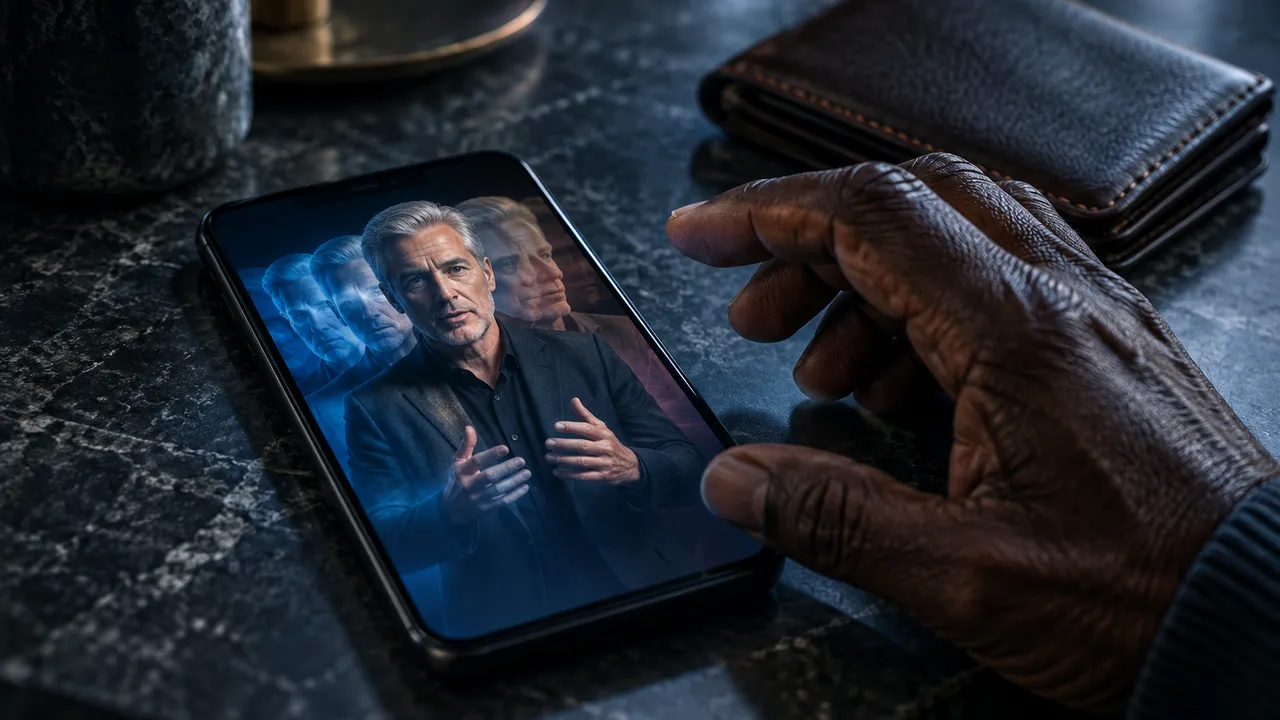
A celebrity appears to interrupt a broadcast with an investment tip. The voice sounds familiar, the mouth movements look natural and the comments celebrate impressive returns. None of that establishes authenticity. AI-generated video, cloned audio and edited genuine footage can turn a recognizable face into bait for a fraudulent investment. Scammers may also impersonate financial journalists or familiar news programs to make an advertisement look like reporting.
The useful question is not simply whether the video is fake. It is whether the offer, seller and destination for your money survive independent checks. Even an authentic endorsement does not establish that an investment is legitimate or suitable. Follow this workflow before paying—or immediately after discovering a problem.
1. Stop the transaction, not just the video
Pause before clicking, calling or depositing. Save the ad’s URL, account name and screenshots without interacting further. A ticking deadline, secret trading system or promise of reliable high returns is reason to stop, regardless of how convincing the presenter looks.
Visual oddities can support suspicion, but their absence proves nothing. Compression can make real footage look strange; sophisticated fakes may look clean. Do not upload identity documents, install an app or make a small test deposit to establish whether the platform works.
If a friend sent the clip, contact them through a number you already know. Ask whether they personally investigated the offer or merely forwarded it. Their account could be compromised, and an honest recommendation can still spread a scam.
- Treat guaranteed profits and claims of no risk as red flags.
- Distrust invitations to private messaging groups or exclusive coaching.
- Remember that comments, testimonials and account balances can be fabricated.
2. Verify the seller through independent official records
Ask for the seller’s legal name, firm, registration number and claimed regulator, then check independently. Use FINRA’s BrokerCheck for brokerage firms and brokers; use the SEC’s Investment Adviser Public Disclosure database for investment advisers. State securities regulators can help determine which registration rules apply.
For futures, retail forex or commodity-related claims, consult NFA’s BASIC database and CFTC resources. Match names, employment history, addresses and permitted activities—not just a registration number. Impostors borrow real professionals’ credentials. Missing records require explanation, although some offerings lawfully qualify for exemptions.
Search the regulator’s investor alerts for the advertised firm and website domain, including spelling variations. A warning may identify a clone using a legitimate firm’s name. Absence from an alert list is not clearance: new fraudulent sites appear continually.
- Reach databases through the agency’s official website, not the advertisement.
- Read disciplinary disclosures and confirm the person’s current firm.
- Ask the regulator about mismatches before sending anything.
3. Authenticate the contact and the actual investment
Never verify an offer using its own phone number, QR code, messaging handle or support link. Find contact details through a regulator’s record or an independently located official website. Avoid sponsored search results. Call the legitimate firm and ask whether the named representative, website and specific promotion are theirs.
Check the celebrity’s official channels and, if relevant, the broadcaster’s original report. Silence does not establish fraud, but an ad cannot authenticate itself. Request offering documents and identify who holds the assets and receives payment. SEC EDGAR filings and state business records can corroborate details; neither a filing nor company formation means government approval. Registration also does not guarantee safety.
Compare the payment beneficiary with the entity named in the agreement. Instructions to pay an individual, unrelated business or newly substituted account demand independent confirmation. Ask the verified firm to explain any third-party custodian and confirm the exact payment instructions.
4. If money moved, contact the payment provider immediately
Stop paying and contact your bank, card issuer, payment service or exchange through its official app, statement or independently verified number. Explain that the payment involved a suspected investment scam. Give transaction identifiers, timestamps and recipient details. Ask what can still be stopped, recalled, frozen or disputed.
Speed matters, but recovery is never assured. Rights and procedures depend on the payment method and whether you authorized it; describe events accurately. Do not pay a supposed withdrawal tax, security deposit or verification fee. A small successful withdrawal can be part of the scam.
Tell the provider if you disclosed a one-time security code, banking password or screen access, even if only one payment is visible. Ask about revoking active sessions and blocking additional transfers. Record the case number and any written follow-up deadlines.
| Payment method | What to request immediately |
|---|---|
| Bank wire or transfer | Ask the fraud team about recall and recipient-bank notification. |
| Credit or debit card | Ask about dispute options and securing compromised card details. |
| Payment app | Report the recipient and contact any linked funding institution. |
| Cryptocurrency | Notify the sending exchange; supply transaction hashes and wallet addresses. |
5. Preserve evidence, report and secure your accounts
Keep a timeline, chat exports, receipts, wallet addresses and copies of the promotion. Report to the FTC through ReportFraud and the FBI’s Internet Crime Complaint Center, IC3. Notify the relevant securities regulator and the advertising platform. Reports support investigations but do not replace an urgent call to your payment provider.
If you shared passwords, change them from a trusted device and enable multifactor authentication. If remote-access software was installed, disconnect the affected device and get trusted technical help. If sensitive identity information was exposed, use the FTC’s IdentityTheft resources and consider freezes at all three nationwide credit bureaus.
Keep unredacted evidence in secure storage for investigators, but remove account numbers and identity documents from any public warning. Scammers can use details of your loss to impersonate investigators later. Verify unexpected follow-up calls through the agency’s independently located switchboard.
- Preserve original messages before blocking the sender.
- Secure your email account, which may control other account resets.
- Reject unsolicited recovery agents demanding advance fees or crypto payments.
As of October 2026, verify registration, reporting procedures and payment protections directly with official sources; this is general information, not personalized financial or legal advice.
AI Assistance Used — AI assistance was used in researching and drafting this article. It was reviewed, edited, and fact-checked by Lisa Barber before publication.