After a Minor Car Crash: What to Document and Whom to Contact
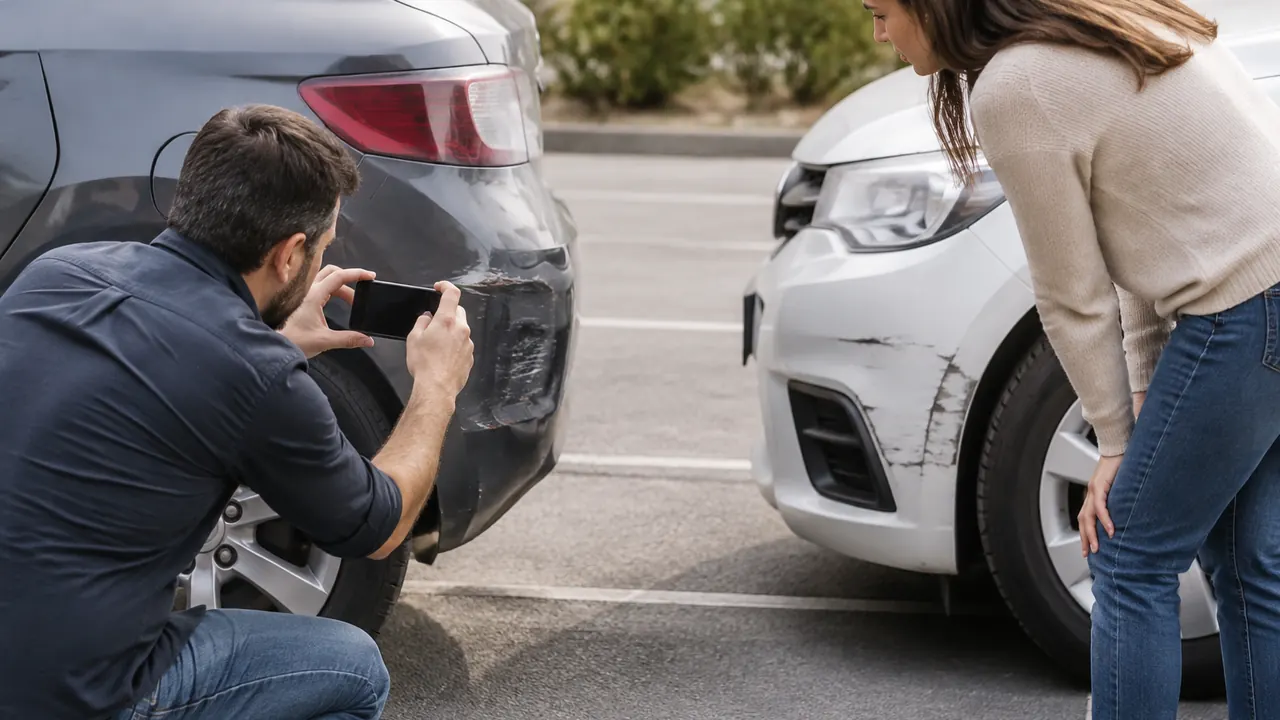
A low-speed collision can look straightforward: a scraped bumper, two shaken drivers and cars that still move. But the first few minutes matter. Your priorities are checking for injuries, preventing another collision and collecting enough information to explain what happened later. You do not need to diagnose damage, settle responsibility or negotiate payment at the roadside.
For drivers navigating a crash in 2026, a phone can help preserve evidence and start an insurance claim, but it cannot replace medical judgment or local reporting rules. Apparently minor crashes can conceal damaged components or produce symptoms hours or days later. Work through these steps calmly, and put safety ahead of documentation.
1. Check people first and make the scene safer
Stop and check yourself, passengers and other people involved. Call 911 if anyone may be seriously hurt, someone is trapped, there is smoke or fire, or the crash creates an immediate traffic danger. Tell the dispatcher your location, direction of travel and nearby landmarks. If someone has neck or back pain, avoid moving them unless an immediate danger requires it; follow dispatcher instructions.
Turn on hazard lights if they work. If the vehicles are drivable, nobody needs urgent assistance and local rules permit or require moving them, get out of travel lanes to a nearby safe spot. Do not remain in moving traffic to photograph the original positions. On a highway, whether to stay belted inside or exit depends on the hazards; follow emergency guidance and avoid standing between vehicles or near traffic.
- If you notice leaking fuel, smoke, sparks or an unusual battery odor, move away and alert emergency responders.
- Keep children and pets away from traffic, and account for every passenger before focusing on paperwork.
- If the other driver becomes threatening, create distance, avoid confrontation and call police.
- Do not pursue a driver who leaves. Record the vehicle description, plate and direction only if safe.
2. Exchange facts without settling fault
Once everyone is safe, exchange the information required where the crash occurred. Commonly needed details include each driver's name, address, contact information, driver's license information, vehicle registration and insurance details. Requirements differ, so do not assume a license plate and phone number are enough. If the driver is not the owner, record the owner's information too, when available.
Be courteous and describe facts you actually know. Do not guess about speed, promise to pay, sign a roadside release or agree that a particular person caused the crash. That does not mean withholding information from police or insurers: answer accurately and distinguish observations from assumptions. A digital insurance card may be useful, but confirm that the image or written details include the carrier and policy number.
- Record the vehicle's make, model, color and plate number, including the issuing state.
- Note the insurer, policy number and policyholder's name; ask whether the vehicle was rented, borrowed or used for work.
- Photograph documents only with permission and as appropriate locally, or write down required information and check it for errors.
- Do not exchange Social Security numbers, banking credentials or unrelated identity documents, and keep collected personal information private.
3. Build a photo record that tells the whole story
Photograph the scene only from a safe location. Start with wide views showing the roadway or parking area, vehicle locations if still visible, lane markings, signs, signals and relevant entrances. Then move closer to photograph each vehicle's damage from several angles. Include undamaged areas so later reviewers can distinguish the visible condition at the scene from other damage.
Create a written or voice note with the date, approximate time, exact location, weather, lighting and your recollection of the sequence. Record uncertainty rather than filling gaps. Save original photo and video files, back them up securely and avoid editing away context. Dashcam footage may overwrite itself quickly, so preserve the relevant segment when parked safely. Do not post crash footage or another person's documents publicly.
- Capture the full vehicle, its plate and both close-up and wider views of each damaged area.
- Document debris, tire marks, road hazards and obstructions without stepping into traffic or moving evidence.
- Note deployed airbags, warning messages, fluid underneath the car and doors or wheels that appear misaligned.
- If nearby businesses may have cameras, note their locations and promptly ask how footage can be preserved; access is not guaranteed.
| Record | What it can help establish | Important limit |
|---|---|---|
| Wide scene photos | Road layout and surrounding conditions | Do not risk traffic exposure |
| Damage close-ups | Visible condition after the collision | Cannot rule out concealed damage |
| Dashcam footage | Movement and timing | May be overwritten automatically |
| Contemporaneous notes | Details you might later forget | Separate facts from estimates |
4. Identify witnesses and check reporting rules
Ask independent witnesses for their names and preferred contact information, and whether they are willing to describe what they saw to police or an insurer. Briefly note where each person was and what they said, without coaching them. Follow applicable consent laws before recording a conversation. If an officer responds, request the officer's name, agency, incident or report number and instructions for obtaining the report.
Police notification and written crash-report requirements vary by state and locality. Injury, death, suspected impairment, a hit-and-run or damage above a specified threshold can trigger duties, but thresholds and procedures are not uniform. When there is no emergency, contact the appropriate police nonemergency line and check the state motor vehicle agency's current rules. An officer declining to come does not necessarily eliminate your separate reporting obligation.
- Ask whether you must file an online, station-based or state driver crash report, and note the deadline.
- Do not assume an insurance claim or an officer's report substitutes for a report you must personally file.
- If you struck an unattended vehicle or other property, follow local owner-notification and reporting requirements; a note alone may not suffice.
5. Watch for delayed symptoms and hidden damage
Feeling fine at the scene does not prove you are uninjured. Pain, stiffness, dizziness and other symptoms may develop later. Seek prompt medical advice for new or worsening symptoms, and explain that you were in a crash. Call 911 for serious warning signs such as trouble breathing, loss of consciousness, marked confusion, weakness or a severe or worsening headache. Do not drive yourself if you feel impaired.
A car that starts and rolls may still be unsafe. Damage can affect steering, suspension, cooling systems, seat belts or electronics behind an intact-looking bumper. Many vehicles now have cameras and radar sensors that may require inspection or calibration after certain repairs. A qualified repair facility should assess that need using vehicle-specific procedures, not simply assume every scrape requires calibration. Stop driving and arrange assistance if you notice concerning handling, leaks, warning lights or tire damage.
| What you notice | Practical next step | What not to assume |
|---|---|---|
| New pain or dizziness | Seek medical advice promptly | Minor vehicle damage means no injury |
| Steering pull or tire rubbing | Stop safely and arrange an inspection or tow | A short drive is harmless |
| Driver-assistance warning | Request vehicle-specific diagnosis | The system still works normally |
| Damaged child restraint | Check manufacturer instructions and replacement guidance | Appearance alone establishes safety |
6. Notify your insurer and understand the next steps
Contact your insurer promptly using its official app, website or the number on your insurance card. Policy notice and cooperation requirements differ, so check yours even if the other driver offers to pay privately or you expect to claim against their insurance. Provide the facts, photos, exchanged details and police report information. Tell the adjuster if injuries or the full extent of damage remain uncertain.
Ask which coverages may apply, what deductible could be owed and whether towing, storage or a rental vehicle is covered. These benefits are not automatic, and limits matter. A claim with the other driver's insurer may require a liability investigation; immediate payment is not guaranteed. Keep the claim number and adjuster's contact details together, and verify unexpected payment requests through an established contact channel.
- Ask whether the insurer needs an inspection before repairs and what emergency steps are appropriate to prevent further damage.
- Confirm rental reimbursement limits, covered dates and any authorization needed before booking.
- Ask how supplements work if a repair shop discovers additional crash-related damage after disassembly.
- Do not sign a final injury or property-damage release unless you understand which claims it settles.
7. Keep one file and follow through
Create a single folder for photos, reports, estimates, medical records, receipts and correspondence. Keep a dated log of calls, including whom you spoke with and any promised action. Preserve receipts for reasonable crash-related expenses, but do not assume every expense will be reimbursed. Follow up on unresolved reporting deadlines, inspection appointments and requests for documents.
Before authorizing towing or repairs, confirm the destination, charges, storage terms and scope of authorization. Ask about your repair-shop choice rights under applicable state rules and check whether the shop can handle your vehicle's safety systems. After repairs, retain the invoice and any required calibration documentation, and report persistent problems promptly. If injuries, disputed liability or a proposed settlement become complicated, consider a qualified attorney; your state insurance department can help explain complaint options for insurance-handling concerns.
Check current local reporting rules and your policy terms, and consult a qualified medical, repair or legal professional when your circumstances require individualized advice.
AI Assistance Used — AI assistance was used in researching and drafting this article. It was reviewed, edited, and fact-checked by Lisa Barber before publication.